

What is yogurt in skincare?
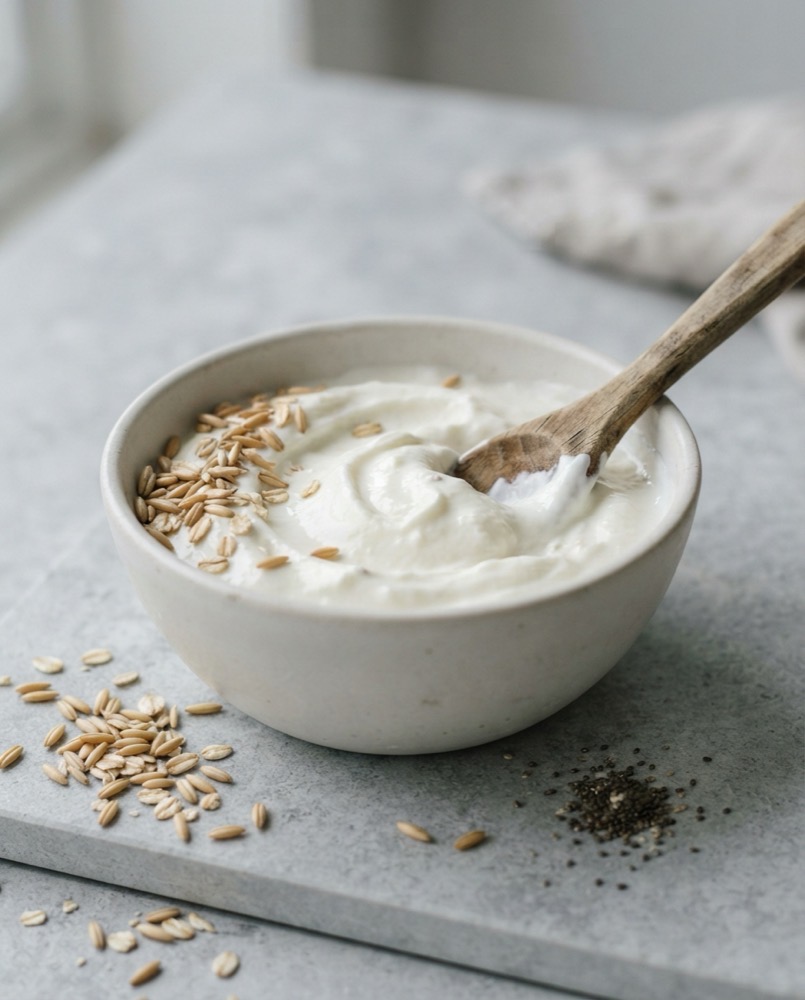
Yogurt is milk fermented by live bacterial cultures, principally Lactobacillus and Streptococcus species. Applied to skin it brings three things: lactic acid produced during fermentation, milk fats and proteins, and the bacterial cultures themselves.
The lactic acid is the part with the clearest mechanism – it is a genuine alpha-hydroxy acid, though at concentrations far below a formulated exfoliant. The cultures connect it to the growing field of probiotics in dermatology.
What skin concerns does yogurt treat?
As a mask it exfoliates very gently, hydrates, and soothes redness and irritation – useful after sun exposure or on skin that cannot tolerate active products. The fats condition dry skin.
The probiotic angle is genuinely promising but still early: research on probiotic lactic acid bacteria and skin health points to effects on the microbiome, barrier function and inflammation, though most evidence comes from formulated products rather than a tub from the fridge.
What ingredients are best paired with yogurt?
In a DIY mask it is traditionally combined with honey, oatmeal or turmeric, all of which reinforce the soothing effect. Use plain, unsweetened yogurt – sugar and fruit add nothing and can irritate.
For reliable results, formulated lactic acid delivers the exfoliation at a known strength, and niacinamide with ceramides handles barrier and tone. Anyone with a dairy allergy should avoid it, and it should be rinsed rather than left on. Take our Skin Quiz.
What are age spots?
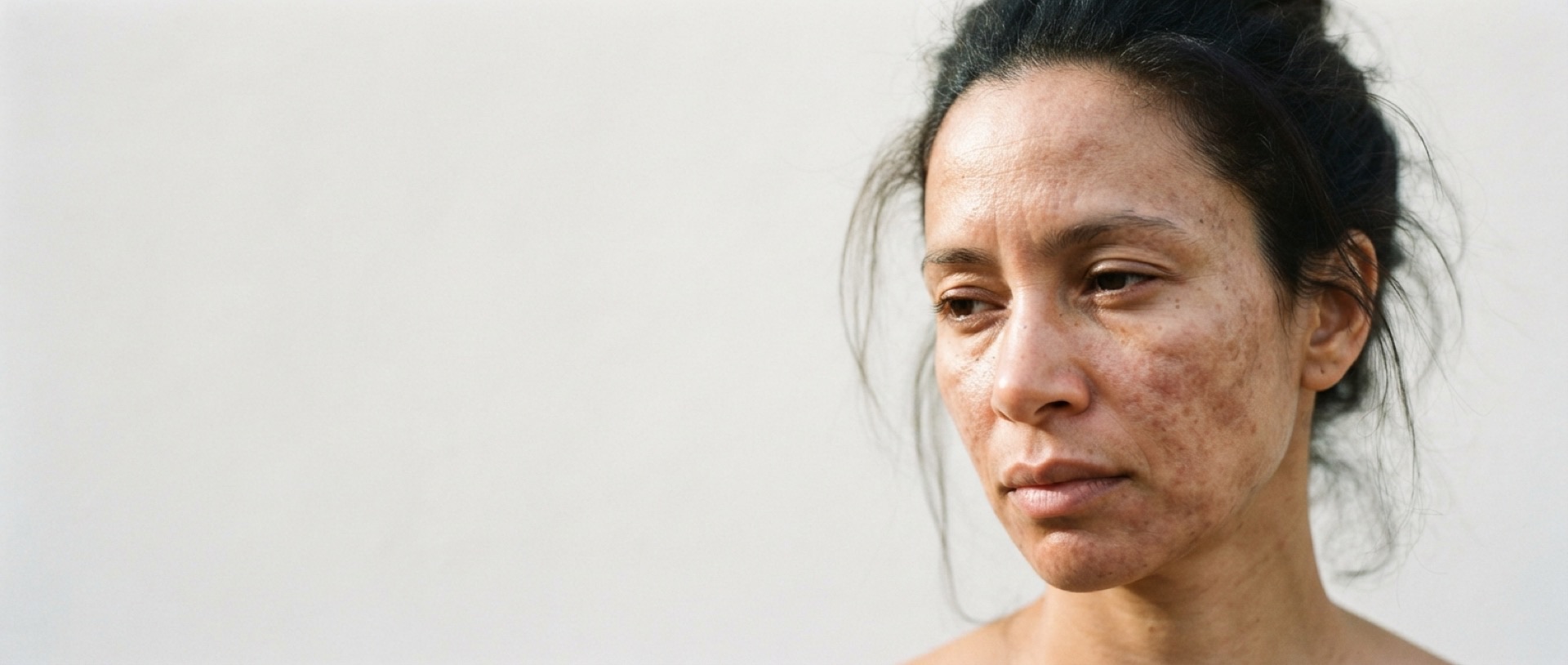
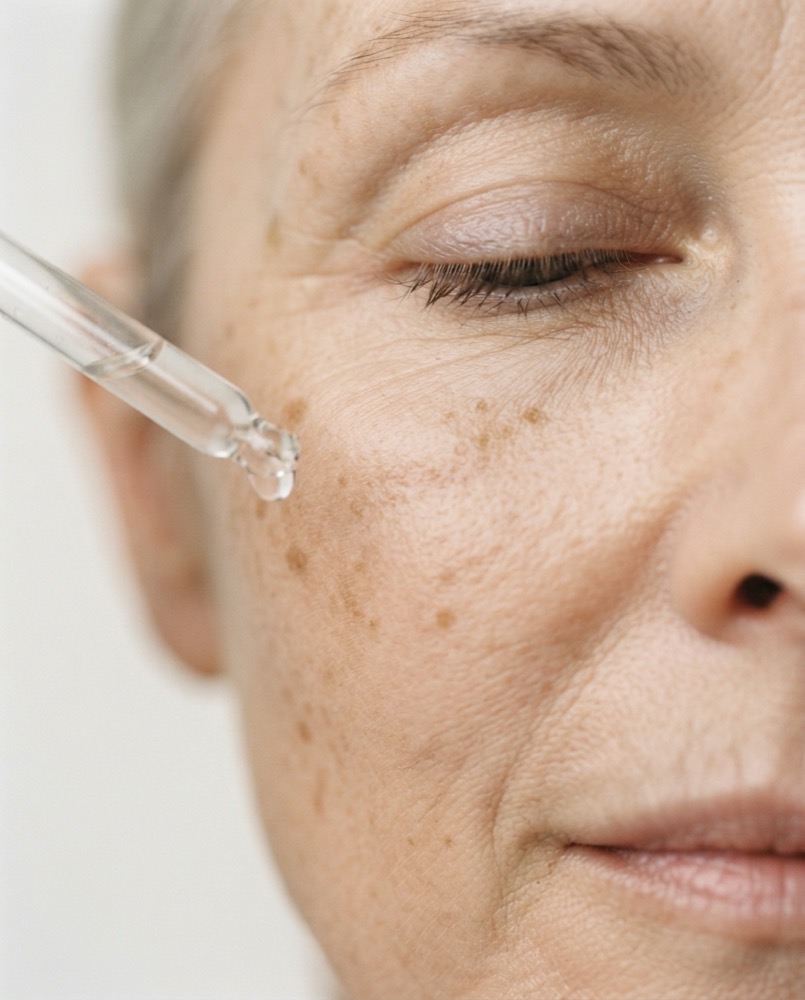
Age spots – known clinically as solar lentigines, and sometimes as liver spots – are flat, well-defined brown or tan patches that appear on skin with the most cumulative sun exposure: the face, backs of the hands, forearms, shoulders and upper chest.
Despite the name, they are not caused by age itself. They are a record of ultraviolet exposure, which is why they are common from the forties onward and why they cluster on areas that rarely get sunscreen.
What causes age spots?
Long-term UV exposure drives melanocytes to over-produce melanin in concentrated spots, and the surrounding keratinocytes stop clearing that pigment efficiently as skin ages.
Fair skin, a history of sunburns, tanning beds and outdoor work all raise the risk. Any new spot that changes shape, colour or size, bleeds or has an irregular border should be checked by a doctor rather than treated cosmetically.
What ingredients are best for age spots?
Topical treatment works but needs patience – expect three to six months. Retinoids speed turnover so pigmented cells shed faster, vitamin C and niacinamide brighten and protect, and alpha arbutin, kojic acid, azelaic acid and liquorice root inhibit new pigment.
Glycolic or lactic acid helps lift existing pigment from the surface. Daily broad-spectrum SPF, including on hands and chest, is what prevents new spots forming. Take our Skin Quiz.