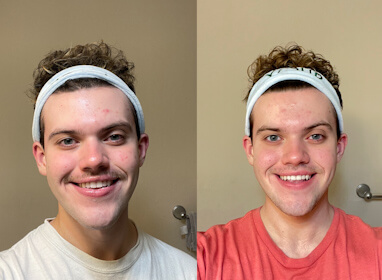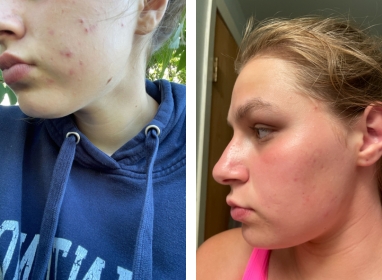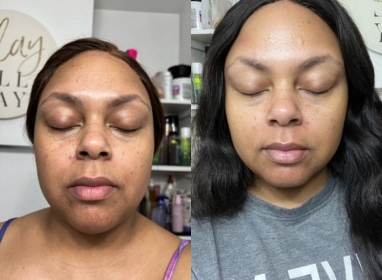


What is PHA in skincare?
PHA stands for polyhydroxy acid, the newest generation of chemical exfoliants. The two you will see on labels are gluconolactone and lactobionic acid.
Their molecules are considerably larger than AHAs, so they sit on the surface and exfoliate slowly rather than penetrating quickly. That makes them the gentlest option in the acid family – studies show anti-ageing results comparable to AHAs with noticeably less irritation.
What skin concerns do PHAs treat?
PHAs suit dullness, rough texture, uneven tone and early fine lines on skin that cannot tolerate glycolic or salicylic acid – including rosacea-prone, eczema-prone and generally reactive skin.
They are also humectants, so they hydrate as they exfoliate, and gluconolactone is an antioxidant that protects against UV-induced damage in laboratory models.
What ingredients are best paired with PHAs?
Because they are mild, PHAs layer comfortably with niacinamide, hyaluronic acid, ceramides and peptides, and they are often used to introduce exfoliation alongside a retinoid without overwhelming the barrier.
Follow with a moisturiser and daily SPF as with any exfoliant. If stronger acids have left your skin stinging or flushed, swapping to a PHA is usually the sensible step down. Take our Skin Quiz.
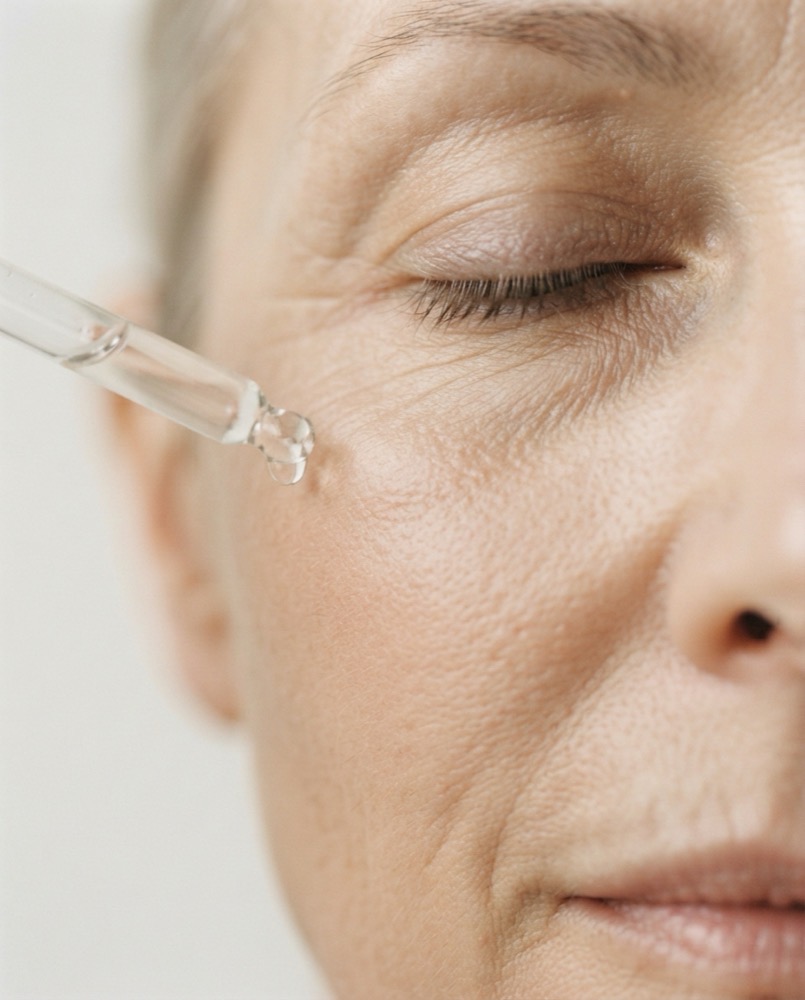
What is crepey skin?
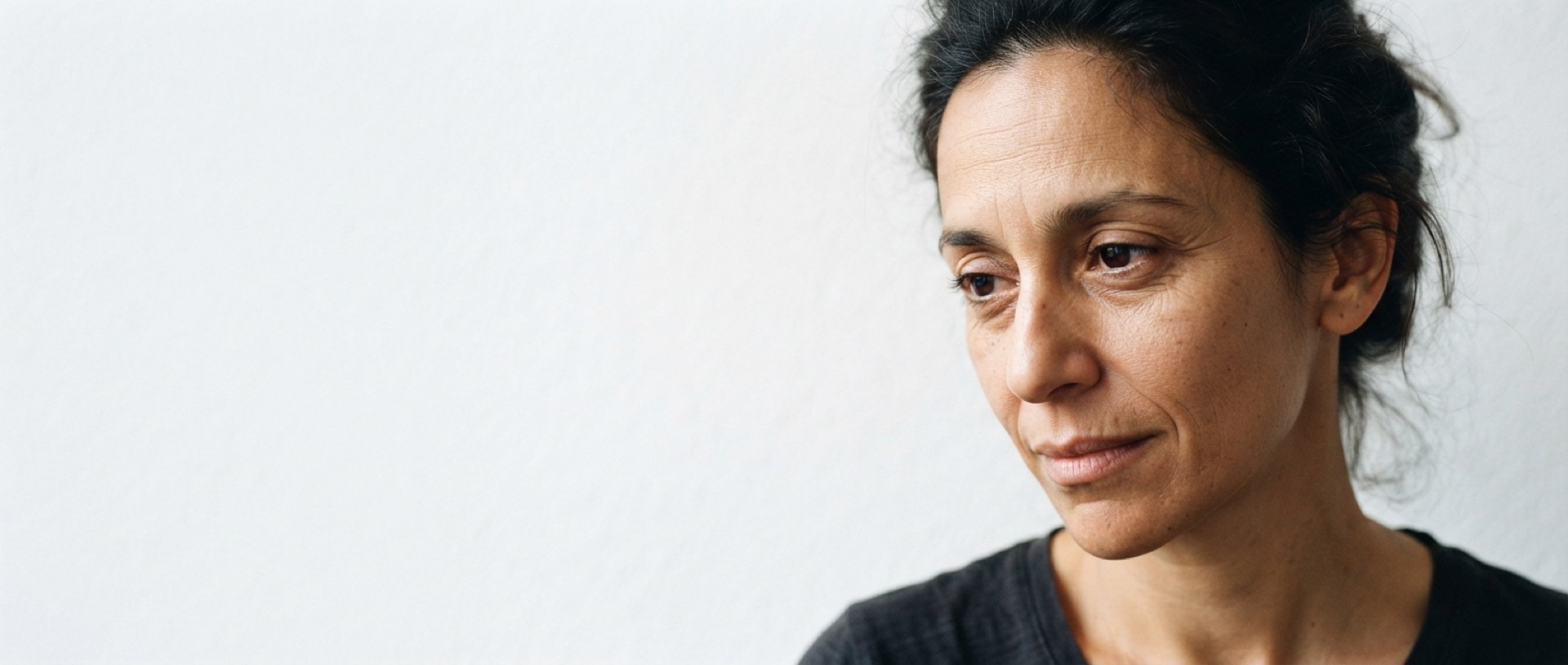
Crepey skin is skin that has become thin, loose and finely wrinkled, with the papery texture of crepe paper. It differs from ordinary wrinkles in that it affects a broad area rather than forming distinct lines, and it appears most on the under-eyes, neck, décolletage, upper arms and inner thighs.
The hallmark is loss of elasticity: pinched skin takes longer to snap back, and the surface looks crinkled even at rest.
What causes crepey skin?
The main driver is degradation of the elastin network in the dermis. Cumulative ultraviolet exposure breaks down elastic fibres and replaces them with disorganised material – the process called solar elastosis – while collagen production falls at the same time.
Age, chronic dehydration, significant weight loss, smoking, and the natural drop in oestrogen around menopause all accelerate it. Body areas get less skincare attention than the face, which is why crepiness often shows there first.
What ingredients are best for crepey skin?
Retinoids remain the best-evidenced option for rebuilding collagen and thickening the dermis over months of use. Peptides support elastin and collagen signalling, and vitamin C protects existing fibres while aiding synthesis.
Layer those over rich hydration – hyaluronic acid, glycerin, ceramides, squalane and shea butter – which visibly improves the crinkled look even before structural change happens. Daily SPF on neck, chest and hands prevents further breakdown. Take our Skin Quiz.