

What is apple cider vinegar in skincare?
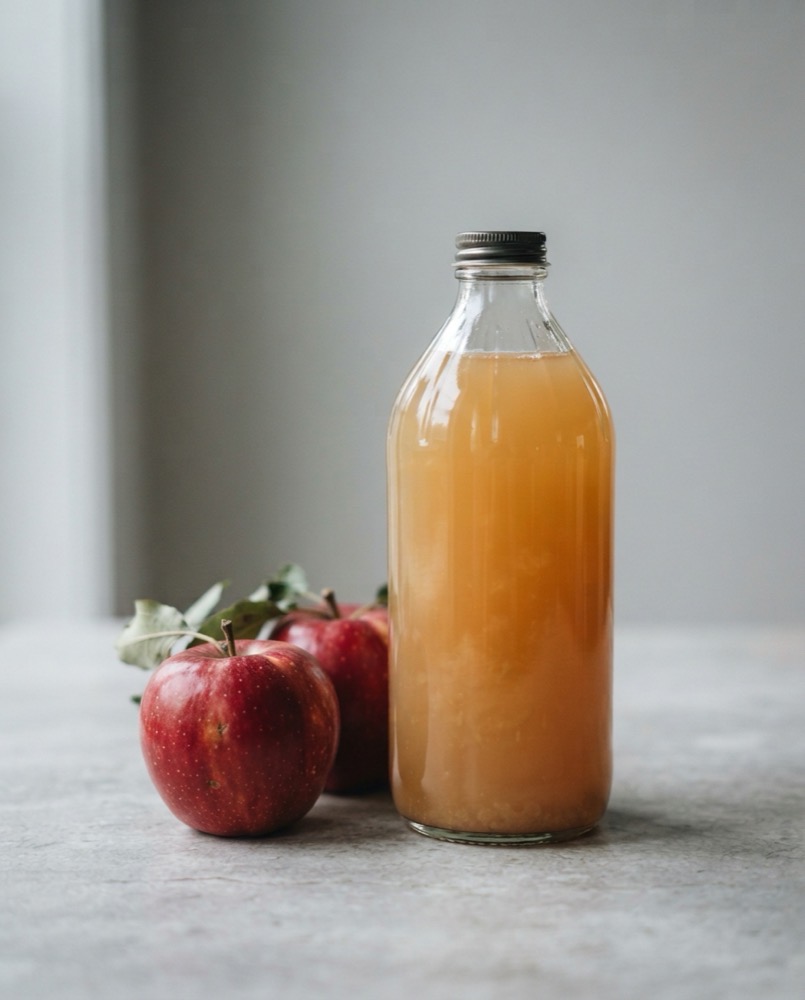
Apple cider vinegar is made by fermenting apple juice twice – first to alcohol, then to acetic acid. The result is a liquid of roughly 5 to 6% acetic acid with a pH around 2 to 3, plus trace malic acid and polyphenols.
Its skincare reputation rests on the idea that its acidity restores the skin’s acid mantle and that its antimicrobial action clears acne. Both claims sound reasonable; neither has held up well under testing.
What skin concerns does apple cider vinegar treat?
It is used as a toner, a spot treatment and a soak for eczema. The problem is concentration: undiluted ACV is roughly a hundred times more acidic than skin, and chemical burns from it are well documented in the dermatology literature.
The most direct test was unflattering. A clinical study found apple cider vinegar soaks did not improve skin barrier integrity in atopic dermatitis and caused irritation in most participants, and a companion study found they did not alter the skin bacterial microbiome either.
What ingredients are best paired with apple cider vinegar?
The practical answer is to keep it in the kitchen. If you insist on trying it, dilute heavily – one part vinegar to at least four parts water – patch test, keep it off broken or sensitive skin, and never leave it on overnight.
Everything it is reached for has a better-controlled alternative: lactic or glycolic acid for exfoliation and pH, salicylic acid or benzoyl peroxide for acne, and ceramides with niacinamide for barrier repair. Take our Skin Quiz.
What is dullness?
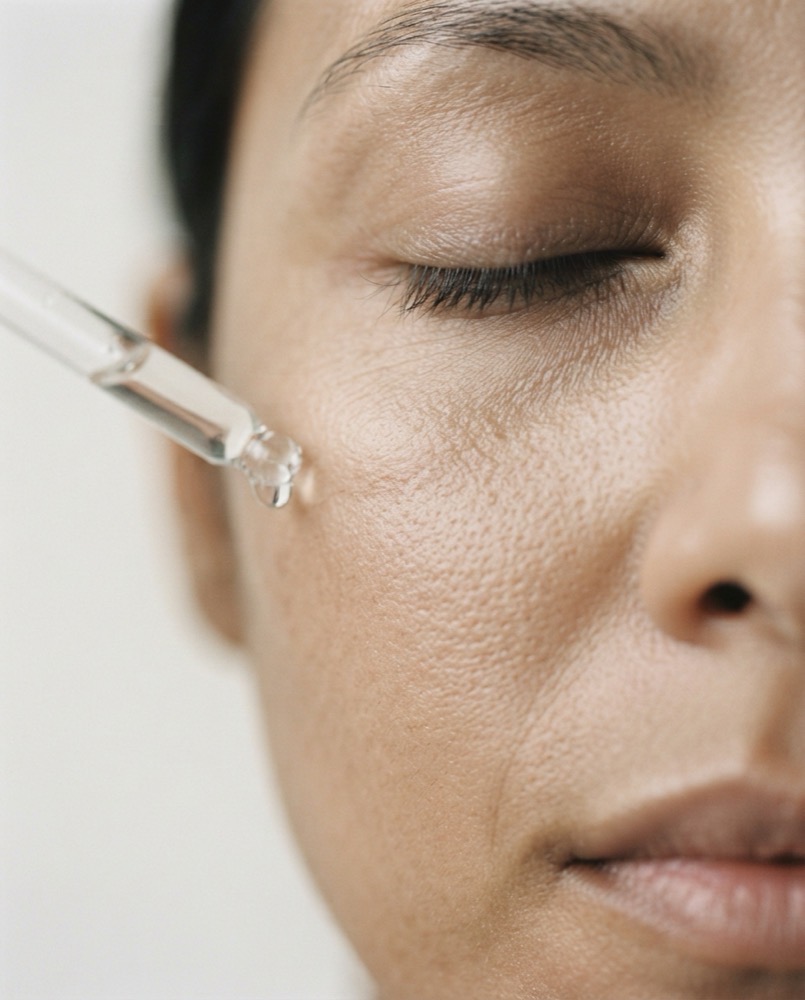
Healthy skin reflects light evenly, which is what reads as bright and glowing. Dull skin does the opposite – it looks flat, ashy, grey or sallow, and makeup tends to sit on top of it rather than blend in.
Dullness is not a condition in itself but a visible symptom: a build-up of dead cells, dehydration and reduced microcirculation that together stop light bouncing cleanly off the skin’s surface.
What causes dull skin?
Dead skin cells that do not shed naturally accumulate on the surface and scatter light unevenly. Dehydration flattens those cells so they no longer sit plump against one another, and overly dry skin can damage the follicles and slow the production of collagen and sebum – all of which make the complexion look duller or ashier.
Lifestyle and environment do the rest. Sun exposure, pollution, smoking, alcohol, broken sleep and stress all accelerate free-radical damage, while cell turnover naturally slows with age, so skin loses the reflectivity it had in your twenties.
What ingredients are best for dullness?
Brightening dull skin comes down to three things: gentle exfoliation, consistent hydration and antioxidant protection. Vitamin C, alpha-hydroxy acids such as glycolic and lactic acid, salicylic acid, retinol and vitamin A, niacinamide, green tea extract, coenzyme Q10 and rosehip oil all help resurface, even out tone and defend against free radicals.
Hyaluronic acid and hydrolysed collagen plump the skin so it reflects more light, and daily broad-spectrum sunscreen prevents the UV damage that dulls the complexion in the first place. Take our Skin Quiz to find the exact combination your skin needs.