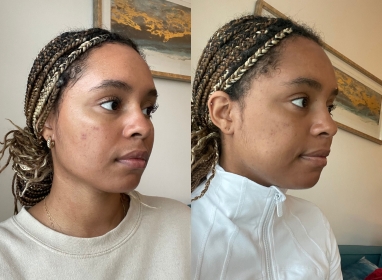
What is tetrahexyldecyl ascorbate in skincare?
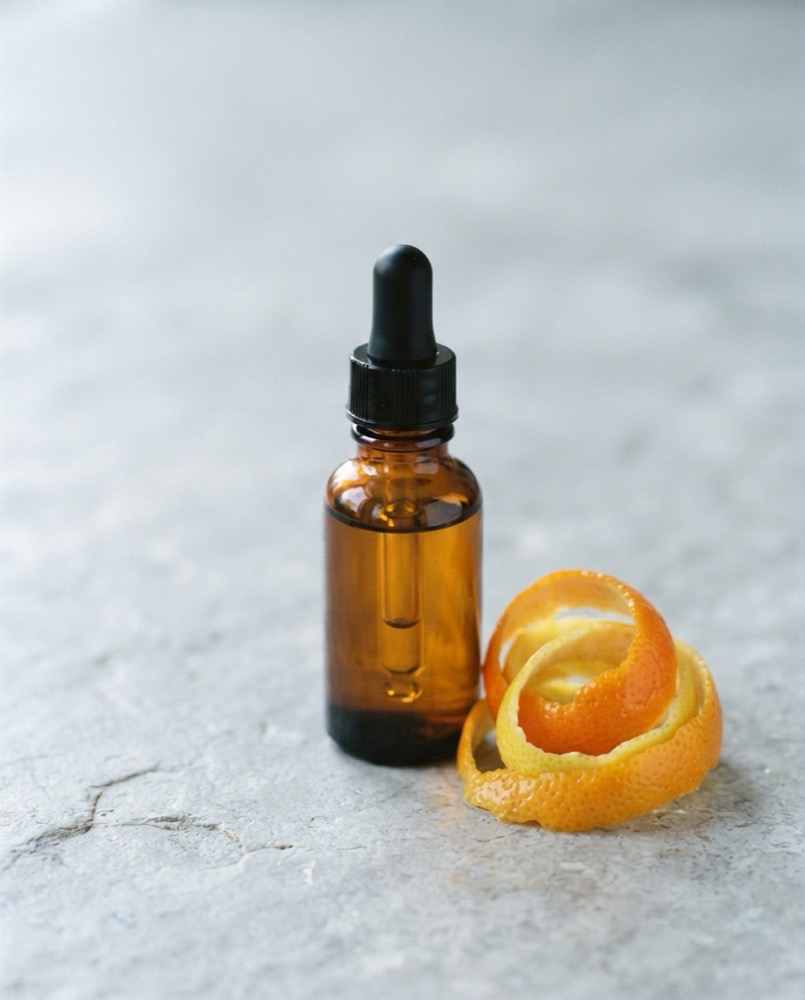
Tetrahexyldecyl ascorbate – usually shortened to THD ascorbate or THDA – is an oil-soluble ester of vitamin C. Attaching fatty chains to ascorbic acid makes it lipophilic, so it dissolves in the oil phase of a formula rather than the water phase.
That solves two problems at once. It is far more stable than pure L-ascorbic acid, and being oil-soluble it penetrates the lipid-rich barrier more readily. It also works at skin-friendly pH, so it does not sting the way a low-pH vitamin C serum can.
What skin concerns does tetrahexyldecyl ascorbate treat?
Once converted to ascorbic acid in the skin it does what vitamin C does: neutralises free radicals, inhibits tyrosinase to fade pigment, and supports collagen synthesis for firmness and fine lines.
It is a good fit for dry and sensitive skin that cannot tolerate L-ascorbic acid. One caveat from the stability literature is that THDA degrades quickly under some conditions despite its reputation, so packaging and formulation still matter.
What ingredients are best paired with tetrahexyldecyl ascorbate?
Vitamin E and ferulic acid support it as they do any vitamin C, and because it is oil-soluble it sits naturally alongside squalane, ceramides and facial oils.
It layers comfortably with niacinamide, peptides and retinoids, and it is gentle enough to use morning and night. As with all ascorbic acid derivatives, results depend on conversion in the skin, so give it three months before judging. Take our Skin Quiz.
What is pigmentation?
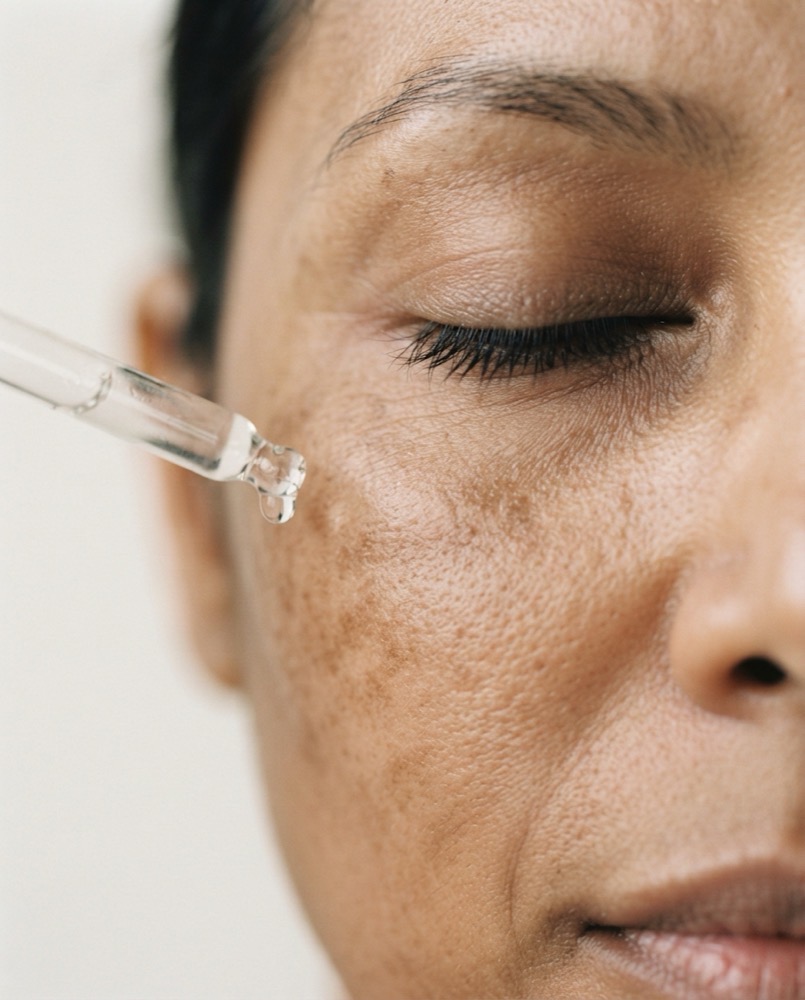
Pigmentation refers to any change in the colour of the skin caused by melanin. Hyperpigmentation – the common form – means patches darker than your natural tone, including sun spots, melasma, freckles and the marks left behind after acne or injury.
Melanin is produced by melanocytes in the lower epidermis and handed to surrounding skin cells. When that process is over-stimulated or unevenly distributed, the result is a visible patch rather than an even tone.
What causes pigmentation?
Ultraviolet exposure is the single largest trigger, because UV directly activates melanin production as a protective response. Inflammation is the second: acne, eczema, friction, waxing, burns or harsh procedures can all leave post-inflammatory hyperpigmentation, which is more common and longer-lasting in deeper skin tones.
Hormonal change, certain medications, heat and genetics complete the picture. Without daily sun protection, treated pigment reliably returns.
What ingredients are best for pigmentation?
The most effective topicals work at different points of melanin production: vitamin C and niacinamide, azelaic acid, tranexamic acid, alpha arbutin, kojic acid and liquorice root extract.
Retinoids and gentle AHAs speed up turnover so pigmented cells clear faster. But broad-spectrum SPF worn daily is the ingredient that decides whether any of it holds – without it, results reverse within weeks. Take our Skin Quiz.