What is squalane in skincare?
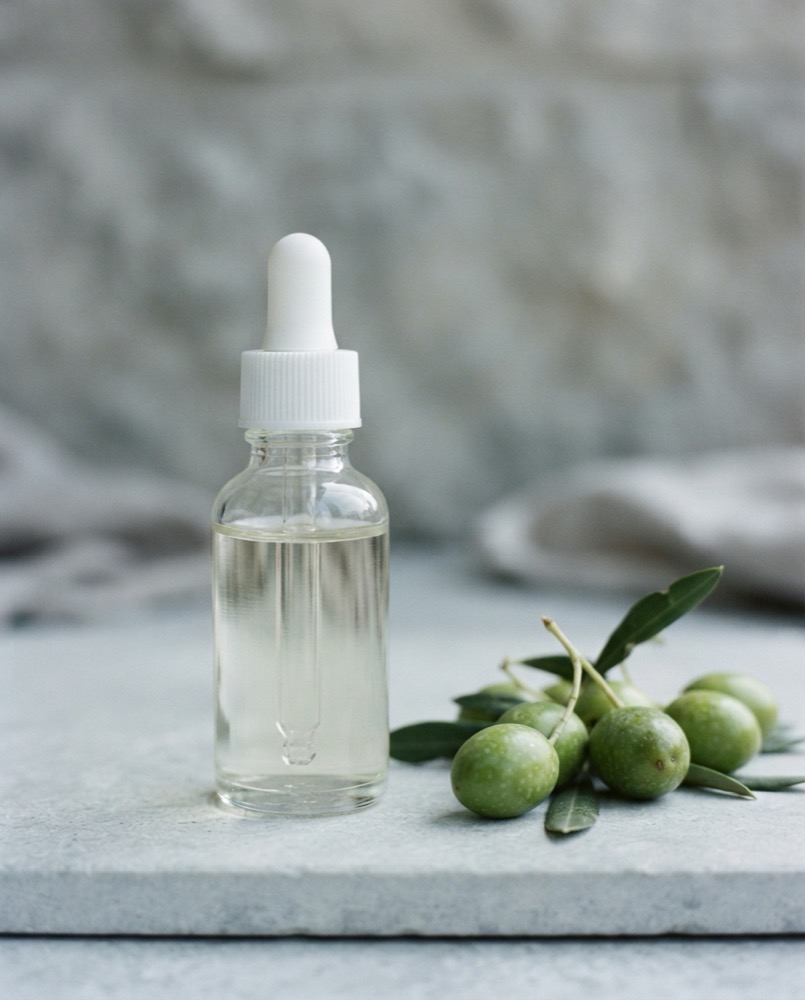
Squalane is the stable, hydrogenated version of squalene – a lipid your own sebaceous glands produce, and one of the components that keeps skin soft and water-resistant. Squalene itself oxidises quickly; squalane does not, which is why formulations use it.
It was historically harvested from shark liver, but cosmetic-grade squalane today is almost always derived from olives or sugarcane fermentation. Squalene levels in skin decline with age, which is part of why mature skin feels drier.
What skin concerns does squalane treat?
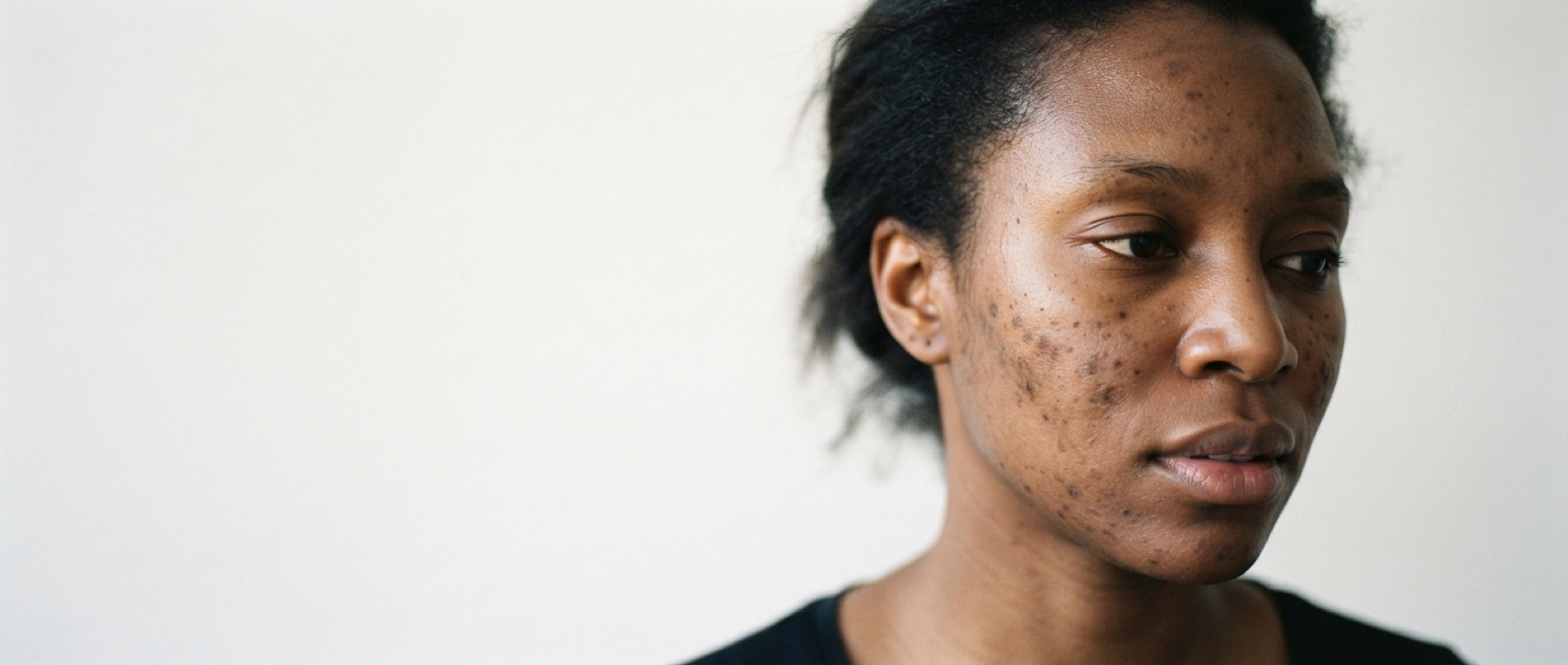
It relieves dryness, tightness and rough texture, and supports barrier repair without the heaviness of a butter or the shine of a traditional oil. It is lightweight, absorbs fast and is non-comedogenic, so oily and acne-prone skin can use it comfortably.
Research also points to antioxidant activity and a protective effect on collagen synthesis after UV exposure, giving it a mild role in ageing prevention as well as comfort.
What ingredients are best paired with squalane?
Use it as the sealing step over humectants – hyaluronic acid, glycerin, sodium hyaluronate – and alongside ceramides for full barrier repair.
It is an ideal buffer for strong actives: applied before or after a retinoid or acid, it noticeably reduces stinging and flaking without blocking the active. It suits every skin type and has almost no interaction risk. Take our Skin Quiz.
What are fine lines?
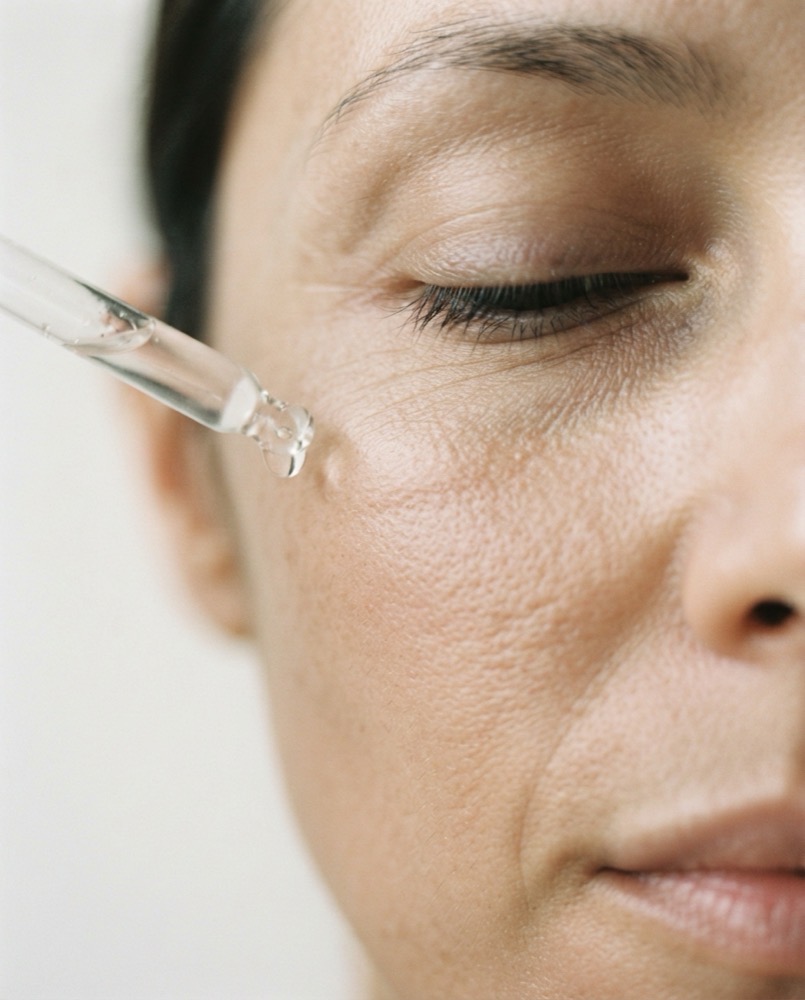
Fine lines are the earliest visible sign of skin ageing: shallow creases that appear where skin is thinnest and most expressive – around the eyes, across the forehead, and at the corners of the mouth.
They differ from established wrinkles in that they are often still dynamic, showing mainly when you smile or squint, and are frequently worsened by dehydration. That makes them the most responsive stage to treat.
What causes fine lines?
Intrinsic ageing does part of the work: collagen production falls by roughly one per cent a year from the mid-twenties, elastin degrades, and the dermal matrix thins so skin no longer springs back.
The larger share is external. Ultraviolet exposure accounts for the majority of visible facial ageing, and pollution, smoking, poor sleep, sugar-driven glycation and repeated facial movement all accelerate it. Dehydration makes existing lines look deeper than they are.
What ingredients are best for fine lines?
Retinol and prescription retinoids have the strongest evidence for stimulating collagen and smoothing texture. Vitamin C protects against free-radical damage while supporting collagen synthesis, and peptides signal the skin to rebuild.
Pair those with hyaluronic acid and ceramides for immediate plumping and barrier support, niacinamide for tone, gentle AHAs for surface renewal, and coenzyme Q10 as an antioxidant. Daily broad-spectrum SPF protects everything else you are doing. Take our Skin Quiz.