What is sodium hyaluronate in skincare?
Sodium hyaluronate is the sodium salt of hyaluronic acid – the form most commonly used in cosmetic formulation. It is more stable, less prone to oxidation and has a smaller molecular size than pure hyaluronic acid.
That smaller size is the practical difference: sodium hyaluronate penetrates the upper epidermis rather than sitting entirely on the surface, so it hydrates within the skin as well as on it.
What skin concerns does sodium hyaluronate treat?
It relieves dehydration, tightness and flakiness in any skin type, and because it is weightless and non-comedogenic it suits oily and acne-prone skin that heavy creams would congest.
Well-hydrated cells sit plumper, which immediately softens fine lines and improves how light reflects off the face. It also makes retinoids and acids more comfortable to use alongside, by keeping the barrier supple.
What ingredients are best paired with sodium hyaluronate?
It draws water in but cannot hold it, so seal it with ceramides, squalane, shea butter or any decent moisturiser applied immediately after, ideally onto slightly damp skin.
It layers with essentially everything – vitamin C, niacinamide, retinoids, peptides, acids. In very dry air, always cover it with an occlusive so it draws moisture from the air rather than from deeper skin. Take our Skin Quiz.
What is crepey skin?
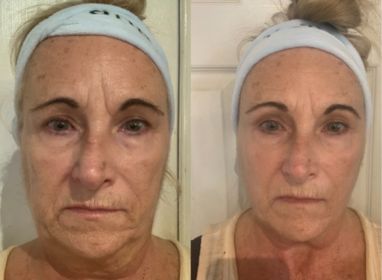
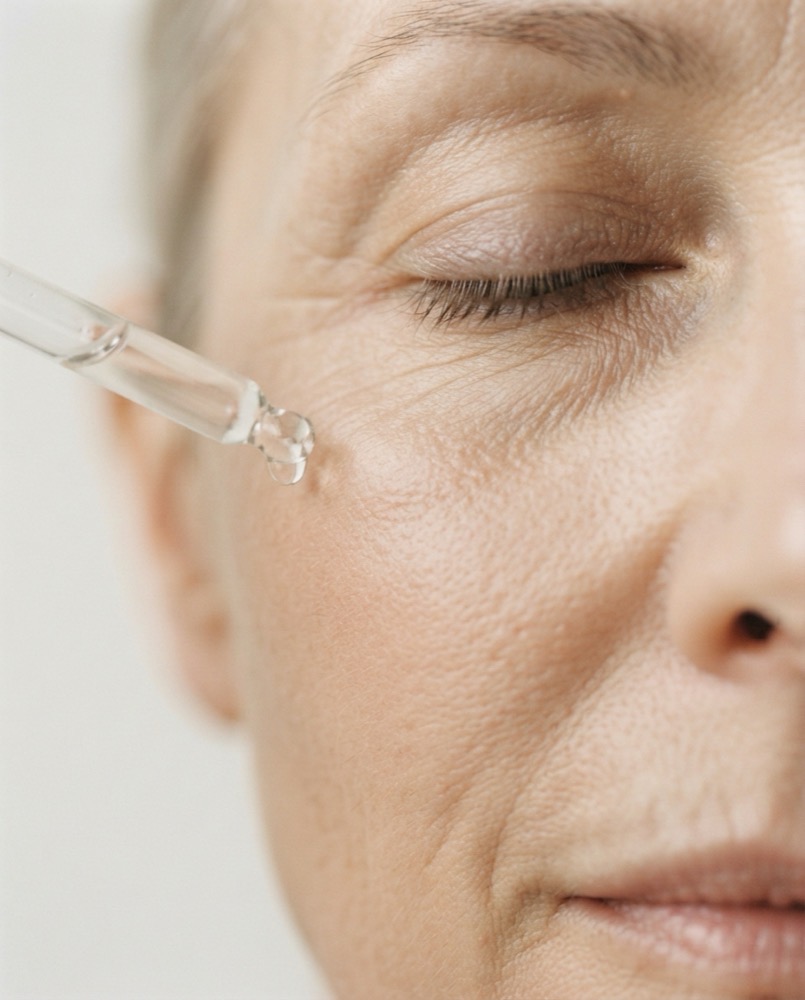
Crepey skin is skin that has become thin, loose and finely wrinkled, with the papery texture of crepe paper. It differs from ordinary wrinkles in that it affects a broad area rather than forming distinct lines, and it appears most on the under-eyes, neck, décolletage, upper arms and inner thighs.
The hallmark is loss of elasticity: pinched skin takes longer to snap back, and the surface looks crinkled even at rest.
What causes crepey skin?
The main driver is degradation of the elastin network in the dermis. Cumulative ultraviolet exposure breaks down elastic fibres and replaces them with disorganised material – the process called solar elastosis – while collagen production falls at the same time.
Age, chronic dehydration, significant weight loss, smoking, and the natural drop in oestrogen around menopause all accelerate it. Body areas get less skincare attention than the face, which is why crepiness often shows there first.
What ingredients are best for crepey skin?
Retinoids remain the best-evidenced option for rebuilding collagen and thickening the dermis over months of use. Peptides support elastin and collagen signalling, and vitamin C protects existing fibres while aiding synthesis.
Layer those over rich hydration – hyaluronic acid, glycerin, ceramides, squalane and shea butter – which visibly improves the crinkled look even before structural change happens. Daily SPF on neck, chest and hands prevents further breakdown. Take our Skin Quiz.