What is sodium ascorbyl phosphate in skincare?
Sodium ascorbyl phosphate, often abbreviated SAP, is a water-soluble salt of vitamin C in which a phosphate group protects the unstable part of the ascorbic acid molecule. Enzymes in the skin cleave that group to release active vitamin C.
The trade-off is deliberate: SAP is far more stable than L-ascorbic acid, works at a near-neutral pH that does not sting, and does not oxidise to orange in the bottle – but conversion means slower, gentler results.
What skin concerns does sodium ascorbyl phosphate treat?
It brightens pigmentation and uneven tone, provides antioxidant defence against UV and pollution, and supports collagen for firmness and fine lines.
It has one benefit pure vitamin C does not: both in vitro and in vivo work shows SAP is effective in preventing and treating acne vulgaris, through antimicrobial and anti-inflammatory action. That makes it an unusually good fit for oily, breakout-prone skin that also wants brightening.
What ingredients are best paired with sodium ascorbyl phosphate?
Niacinamide is a natural partner for tone and oil control, and vitamin E extends its antioxidant reach. It layers safely with hyaluronic acid, ceramides and most actives.
Because it is water-soluble and pH-neutral it is far easier to formulate and use than L-ascorbic acid, and it suits sensitive skin. As with all vitamin C derivatives, expect a gentler curve and give it three months. Take our Skin Quiz.
What is bumpy skin?
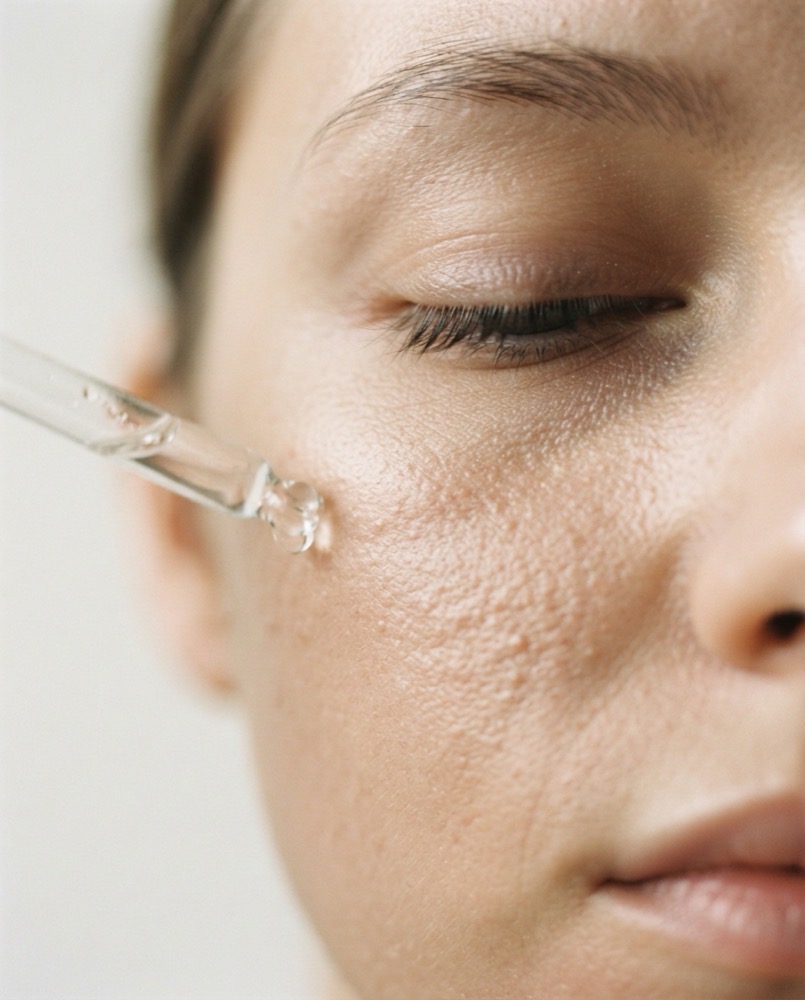
Bumpy skin is a texture problem rather than a single condition. It covers the rough, uneven surface you can feel more than see – most often keratosis pilaris (small hard bumps on the upper arms, thighs and cheeks), closed comedones, milia, or simple build-up of dead cells on the surface.
Keratosis pilaris in particular affects a large share of the population and is harmless, but it makes skin feel like sandpaper and can be stubborn to smooth out.
What causes bumpy skin?
Most bumpy texture comes from keratin plugging the follicle. When dead cells fail to shed cleanly, they collect at the pore opening and form a firm bump – a process closely linked to a weakened permeability barrier and low skin hydration.
Genetics, dry skin, cold weather, eczema and a history of over-scrubbing all make it worse. Aggressive physical exfoliation tends to backfire, inflaming the follicle and thickening the plug.
What ingredients are best for bumpy skin?
Chemical exfoliation works far better than scrubbing. Salicylic acid clears inside the follicle, lactic and glycolic acid loosen surface build-up, and urea both exfoliates and hydrates.
Retinoids normalise how skin sheds over time, while ceramides, niacinamide and hyaluronic acid keep the barrier strong so the plugs stop reforming. Consistency matters more than strength here. Take our Skin Quiz to work out which exfoliant your skin can tolerate.