What is lemon in skincare?
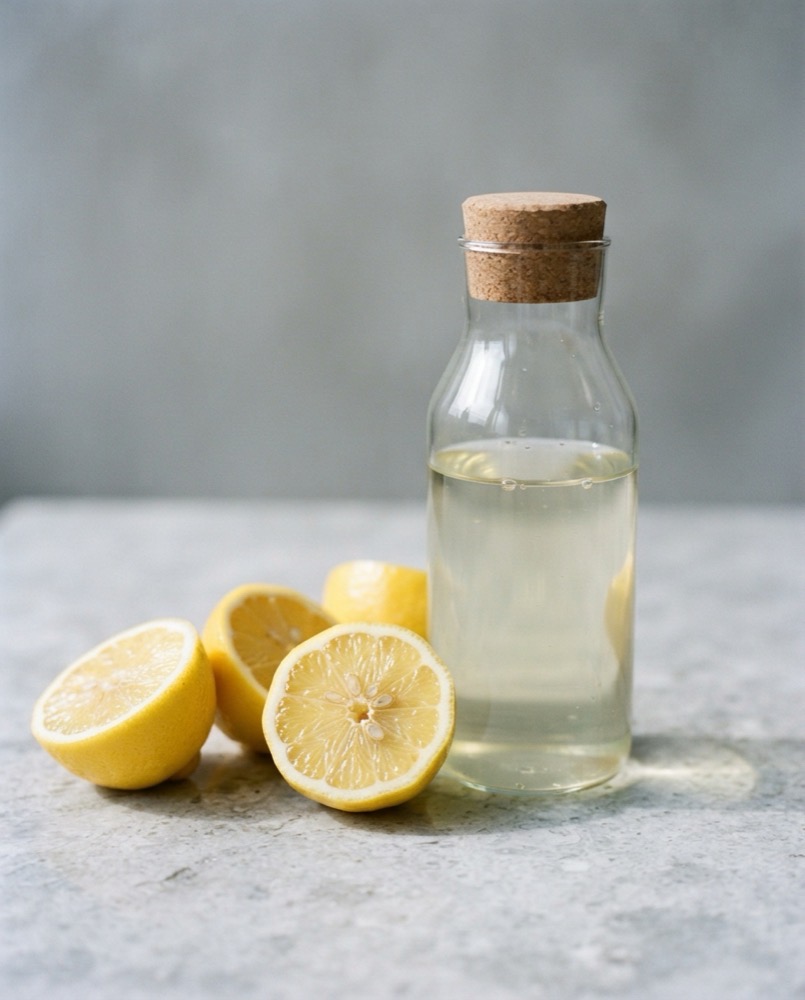
Lemon is the fruit of Citrus limon. Its juice is strongly acidic, with a pH around 2, and contains citric acid, vitamin C and a group of compounds called furocoumarins – the last of which is the problem.
Lemon has a long folk history as a skin lightener and acne treatment, which is why it still appears in home remedies. Modern dermatology takes a much dimmer view, and the reason is well documented.
What skin concerns does lemon treat?
The claimed uses are brightening dark spots, drying out blemishes and exfoliating. Citric acid is a real AHA and the vitamin C content is real, so the logic is not baseless – but the delivery is uncontrolled and the collateral damage is significant.
Furocoumarins in citrus juice cause phytophotodermatitis: a phototoxic reaction producing burns, blisters and long-lasting brown staining when treated skin meets sunlight. Ironically, the most common result of using lemon for dark spots is more pigmentation, not less.
What ingredients are best paired with lemon?
The honest answer is to leave lemon juice out of skincare altogether. Its pH is far outside what skin tolerates, and it strips the acid mantle while creating a photosensitivity risk.
For everything lemon is reached for there is a better-controlled option: vitamin C, niacinamide, alpha arbutin or azelaic acid for brightening; glycolic or lactic acid for exfoliation; salicylic acid for blemishes. All work at a skin-safe pH and none will burn you in the sun. Take our Skin Quiz.
What is rosacea?
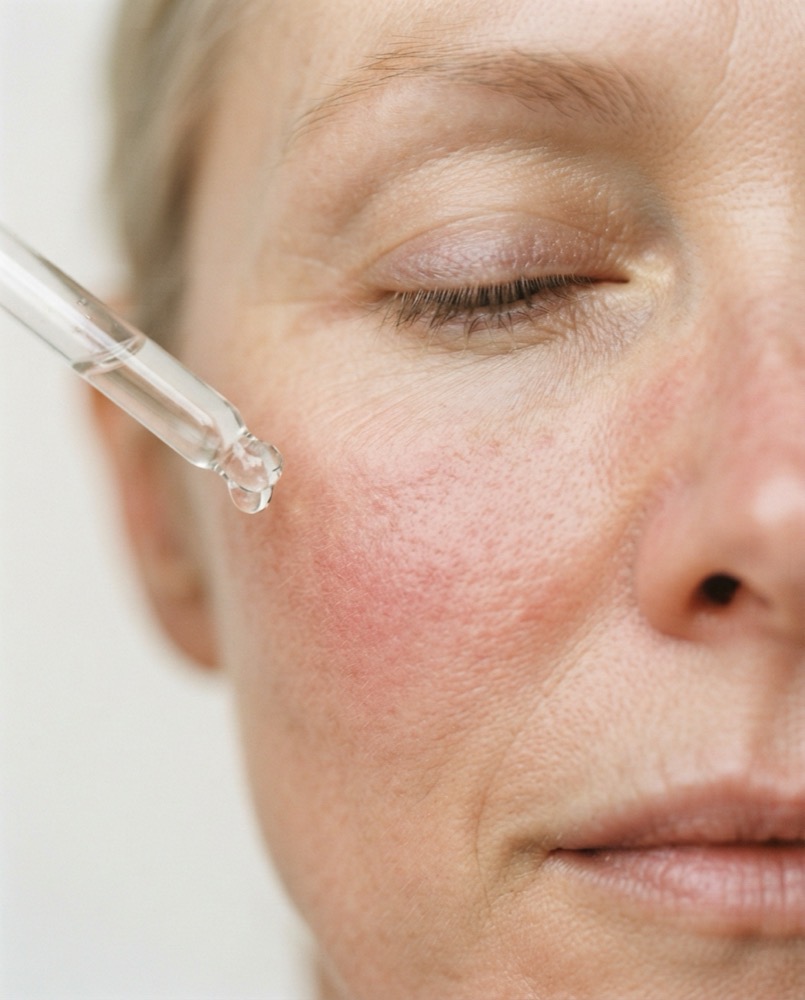
Rosacea is a chronic inflammatory skin condition that affects the central face – cheeks, nose, chin and forehead. It presents as persistent redness, visible broken capillaries, flushing that comes and goes, and in some subtypes acne-like papules and pustules.
Unlike acne, rosacea involves no comedones. It is driven by a combination of vascular hyper-reactivity, neurogenic inflammation and an overactive innate immune response, often with an impaired skin barrier alongside.
What causes rosacea?
There is no single cause. Genetic predisposition, an exaggerated immune response involving cathelicidin, overgrowth of Demodex mites, and dysfunction of the facial blood vessels all appear to contribute.
Flares are triggered by heat, sun exposure, alcohol, spicy food, hot drinks, exercise, stress, wind and cold, and by harsh skincare. Identifying and avoiding your own trigger set does as much as any product.
What ingredients are best for rosacea?
Azelaic acid and niacinamide are the standout actives – both reduce redness and inflammation without provoking the barrier. Sulphur, green tea extract, liquorice root and centella asiatica also calm reactive skin.
Build everything else around barrier repair: ceramides, glycerin, squalane and panthenol, with a gentle non-foaming cleanser and a mineral SPF every day. Avoid alcohol-heavy toners, fragrance, menthol, physical scrubs and high-strength acids. Take our Skin Quiz to build a routine your skin will tolerate.