What is squalane in skincare?
Squalane is the stable, hydrogenated version of squalene – a lipid your own sebaceous glands produce, and one of the components that keeps skin soft and water-resistant. Squalene itself oxidises quickly; squalane does not, which is why formulations use it.
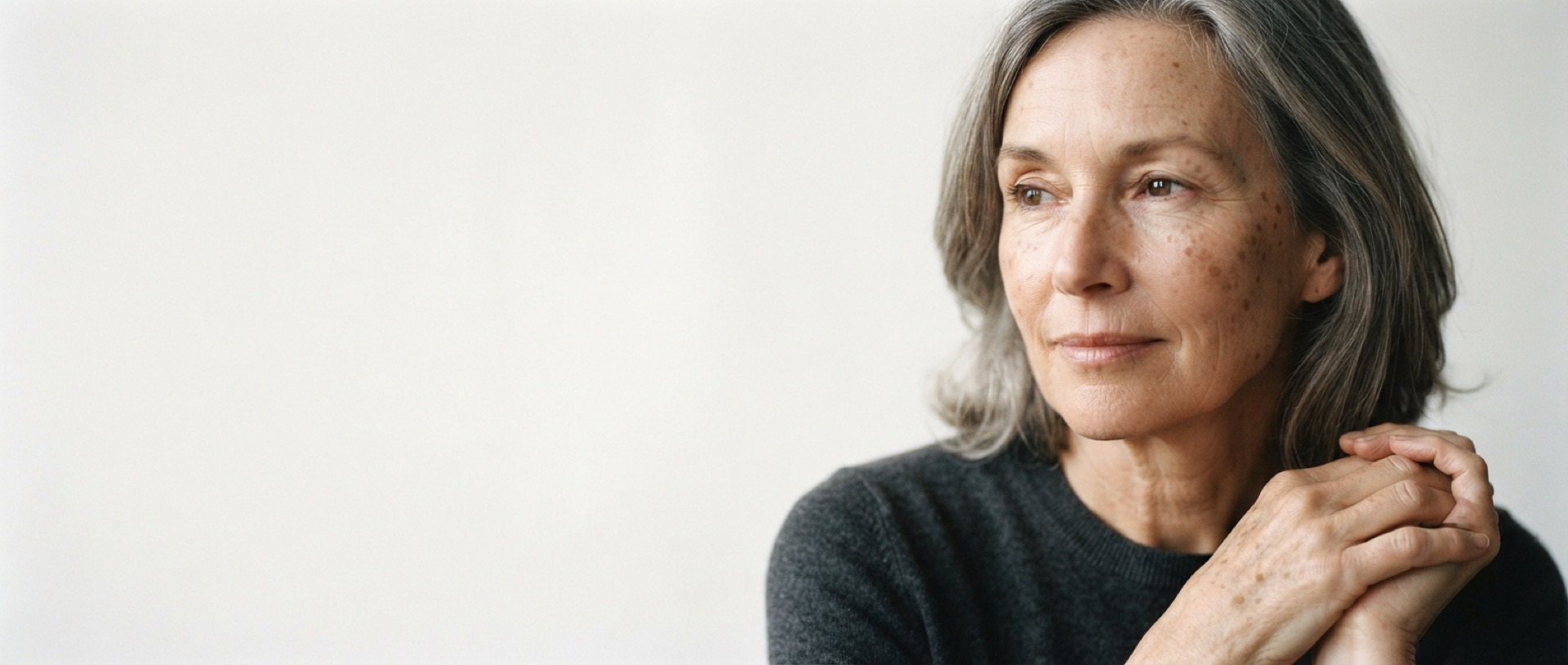
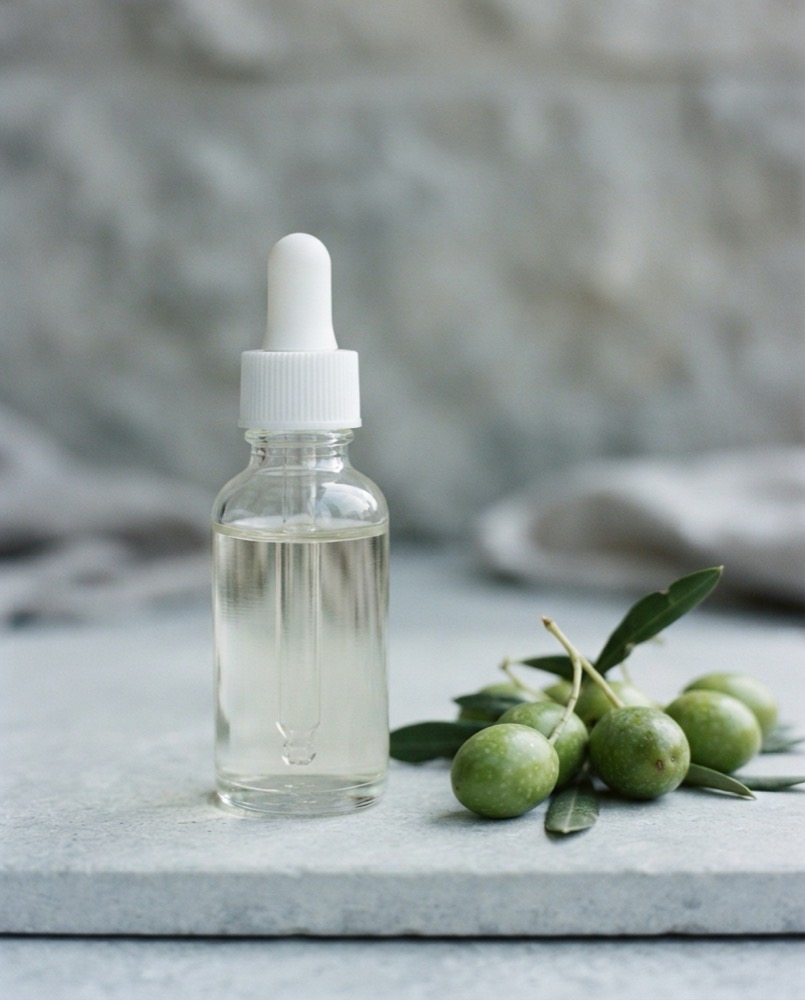
It was historically harvested from shark liver, but cosmetic-grade squalane today is almost always derived from olives or sugarcane fermentation. Squalene levels in skin decline with age, which is part of why mature skin feels drier.
What skin concerns does squalane treat?
It relieves dryness, tightness and rough texture, and supports barrier repair without the heaviness of a butter or the shine of a traditional oil. It is lightweight, absorbs fast and is non-comedogenic, so oily and acne-prone skin can use it comfortably.
Research also points to antioxidant activity and a protective effect on collagen synthesis after UV exposure, giving it a mild role in ageing prevention as well as comfort.
What ingredients are best paired with squalane?
Use it as the sealing step over humectants – hyaluronic acid, glycerin, sodium hyaluronate – and alongside ceramides for full barrier repair.
It is an ideal buffer for strong actives: applied before or after a retinoid or acid, it noticeably reduces stinging and flaking without blocking the active. It suits every skin type and has almost no interaction risk. Take our Skin Quiz.
What is crepey skin?
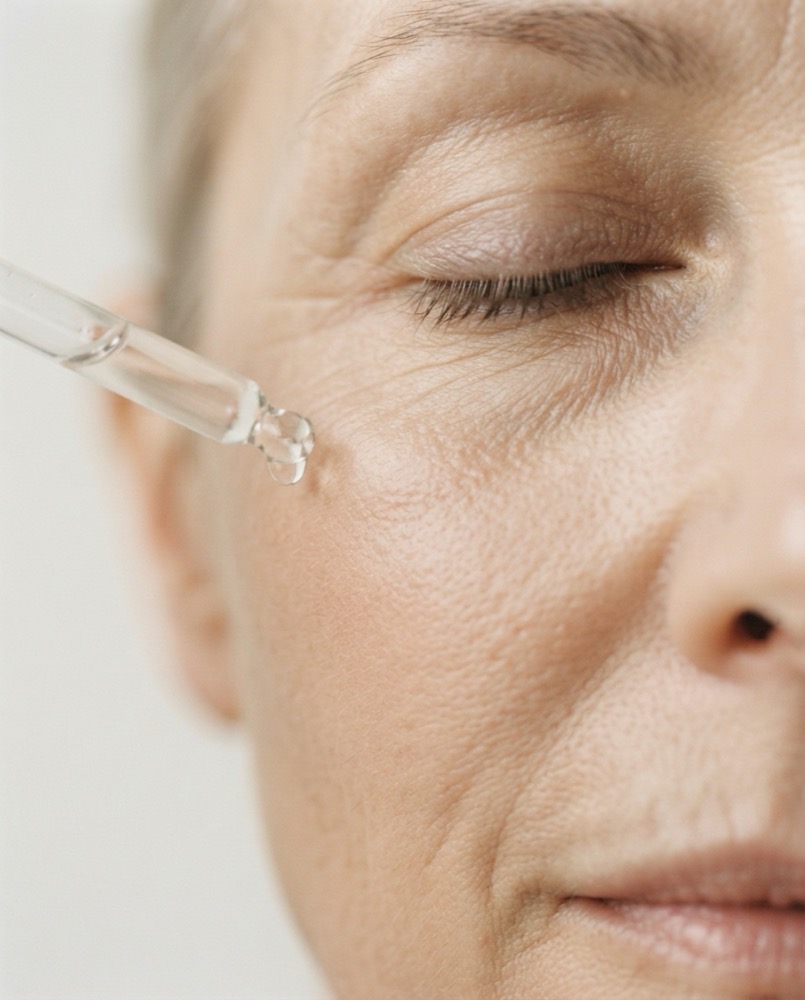
Crepey skin is skin that has become thin, loose and finely wrinkled, with the papery texture of crepe paper. It differs from ordinary wrinkles in that it affects a broad area rather than forming distinct lines, and it appears most on the under-eyes, neck, décolletage, upper arms and inner thighs.
The hallmark is loss of elasticity: pinched skin takes longer to snap back, and the surface looks crinkled even at rest.
What causes crepey skin?
The main driver is degradation of the elastin network in the dermis. Cumulative ultraviolet exposure breaks down elastic fibres and replaces them with disorganised material – the process called solar elastosis – while collagen production falls at the same time.
Age, chronic dehydration, significant weight loss, smoking, and the natural drop in oestrogen around menopause all accelerate it. Body areas get less skincare attention than the face, which is why crepiness often shows there first.
What ingredients are best for crepey skin?
Retinoids remain the best-evidenced option for rebuilding collagen and thickening the dermis over months of use. Peptides support elastin and collagen signalling, and vitamin C protects existing fibres while aiding synthesis.
Layer those over rich hydration – hyaluronic acid, glycerin, ceramides, squalane and shea butter – which visibly improves the crinkled look even before structural change happens. Daily SPF on neck, chest and hands prevents further breakdown. Take our Skin Quiz.