What is salicylic acid in skincare?
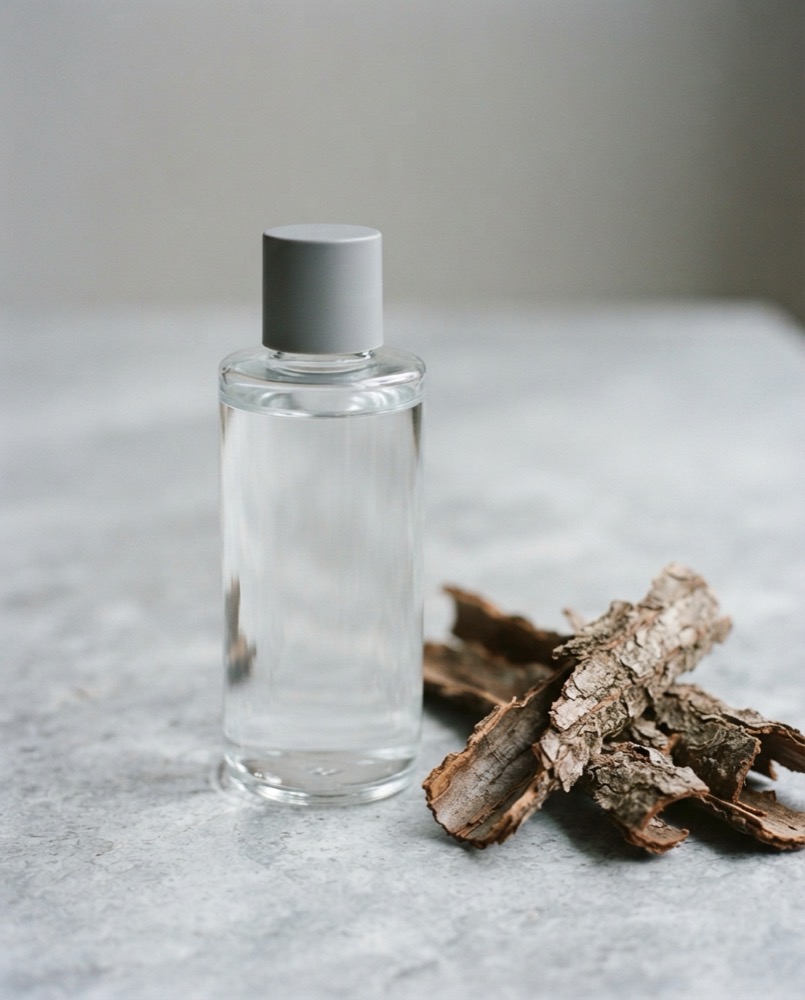
Salicylic acid is a beta-hydroxy acid derived from willow bark. Unlike alpha-hydroxy acids, it is oil-soluble, which means it can travel through sebum and work inside the pore rather than only on the skin’s surface.
It is also a keratolytic and mildly anti-inflammatory, so it loosens the bonds between dead cells while calming the redness around a blemish. Over-the-counter concentrations usually sit between 0.5% and 2%.
What skin concerns does salicylic acid treat?
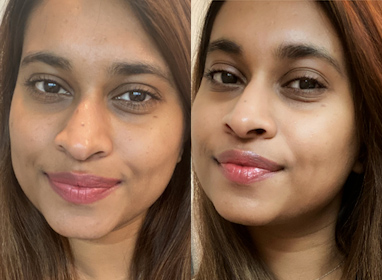
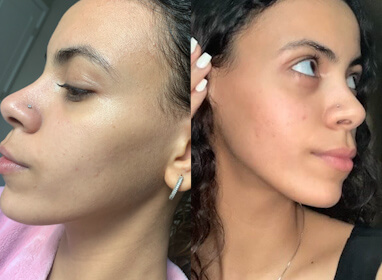
It is the go-to for blackheads, whiteheads, congestion and mild to moderate acne, because it clears the plug at source. Its keratolytic and comedolytic action also makes it useful for rough texture, keratosis pilaris and body breakouts.
Oily and combination skin benefit most, since it reduces surface shine while exfoliating. It also helps calm the inflammation that turns a clogged pore into an angry one.
What ingredients are best paired with salicylic acid?
Niacinamide pairs well, adding sebum regulation and barrier support without irritation. Hyaluronic acid, ceramides and glycerin offset the dryness that comes with regular exfoliation.
Benzoyl peroxide and azelaic acid work alongside it for acne, though usually at different times of day. Be cautious layering it with retinoids or AHAs in the same step, use SPF daily, and avoid it entirely if you are pregnant or sensitive to aspirin without medical advice. Take our Skin Quiz.
What is crepey skin?
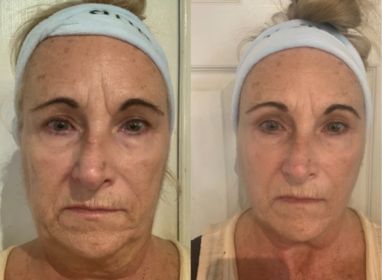
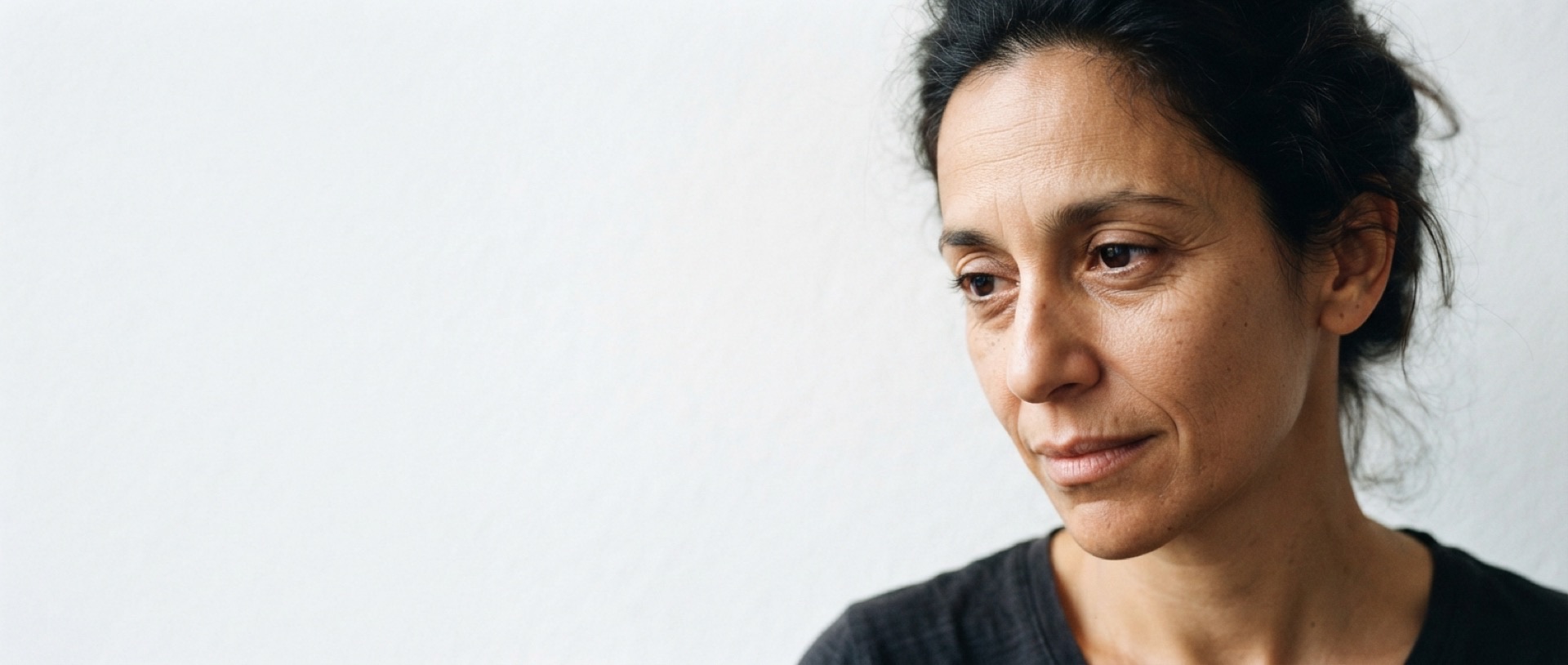
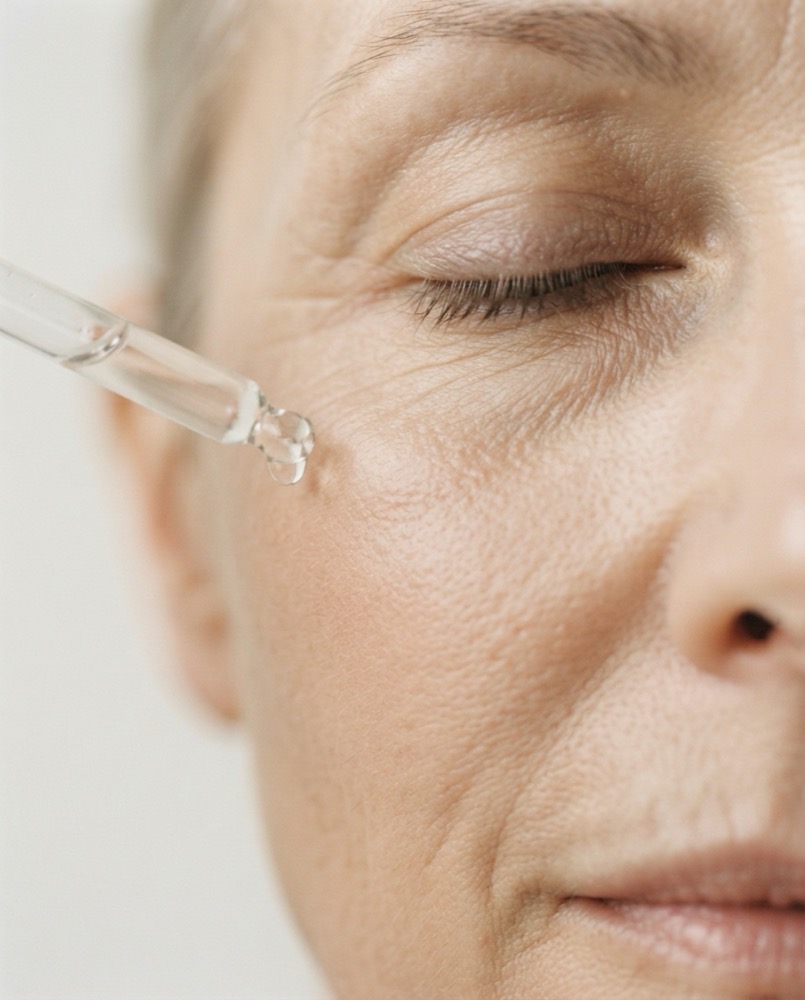
Crepey skin is skin that has become thin, loose and finely wrinkled, with the papery texture of crepe paper. It differs from ordinary wrinkles in that it affects a broad area rather than forming distinct lines, and it appears most on the under-eyes, neck, décolletage, upper arms and inner thighs.
The hallmark is loss of elasticity: pinched skin takes longer to snap back, and the surface looks crinkled even at rest.
What causes crepey skin?
The main driver is degradation of the elastin network in the dermis. Cumulative ultraviolet exposure breaks down elastic fibres and replaces them with disorganised material – the process called solar elastosis – while collagen production falls at the same time.
Age, chronic dehydration, significant weight loss, smoking, and the natural drop in oestrogen around menopause all accelerate it. Body areas get less skincare attention than the face, which is why crepiness often shows there first.
What ingredients are best for crepey skin?
Retinoids remain the best-evidenced option for rebuilding collagen and thickening the dermis over months of use. Peptides support elastin and collagen signalling, and vitamin C protects existing fibres while aiding synthesis.
Layer those over rich hydration – hyaluronic acid, glycerin, ceramides, squalane and shea butter – which visibly improves the crinkled look even before structural change happens. Daily SPF on neck, chest and hands prevents further breakdown. Take our Skin Quiz.