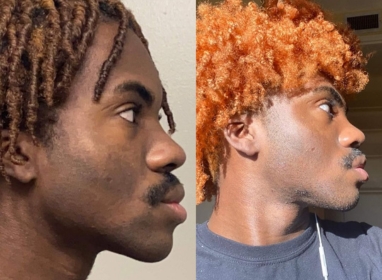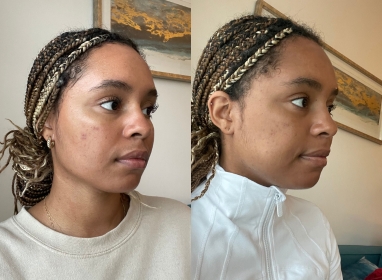


What is retinol in skincare?
Retinol is an over-the-counter retinoid – a vitamin A derivative that your skin converts into retinoic acid, the biologically active form. Once converted, it binds to receptors in the skin and signals cells to turn over faster, ramp up collagen production and normalise the way pores shed keratin.
That combination is why retinol is one of the most studied active ingredients in modern skincare, and why it sits at the centre of most dermatologist-designed anti-ageing routines. Strengths typically range from 0.01% to 1%, and lower concentrations used consistently often outperform high strengths used sporadically.
What skin concerns does retinol treat?
Retinol works on several concerns at once: fine lines and wrinkles, loss of firmness and crepey texture, uneven skin tone, dark spots and post-acne pigmentation, enlarged or congested pores, and both hormonal and adult acne.
Because it acts on cell turnover rather than on the skin’s surface, results build over weeks rather than days. Most people see visible change between eight and twelve weeks of consistent nightly use, with continued improvement well beyond that.
What ingredients are best paired with retinol?
Pair retinol with hydrating, barrier-supporting ingredients – hyaluronic acid, ceramides, niacinamide, squalane and peptides – to offset the dryness, flaking and redness that can come with faster turnover. Apply it at night, and wear a broad-spectrum sunscreen every morning, since retinol makes skin more sun-sensitive.
Avoid layering it in the same step as AHAs, BHAs or benzoyl peroxide unless your routine has been built to handle it, and introduce it two or three nights a week before going nightly. Want to know which retinol strength suits your skin? Take our Skin Quiz.
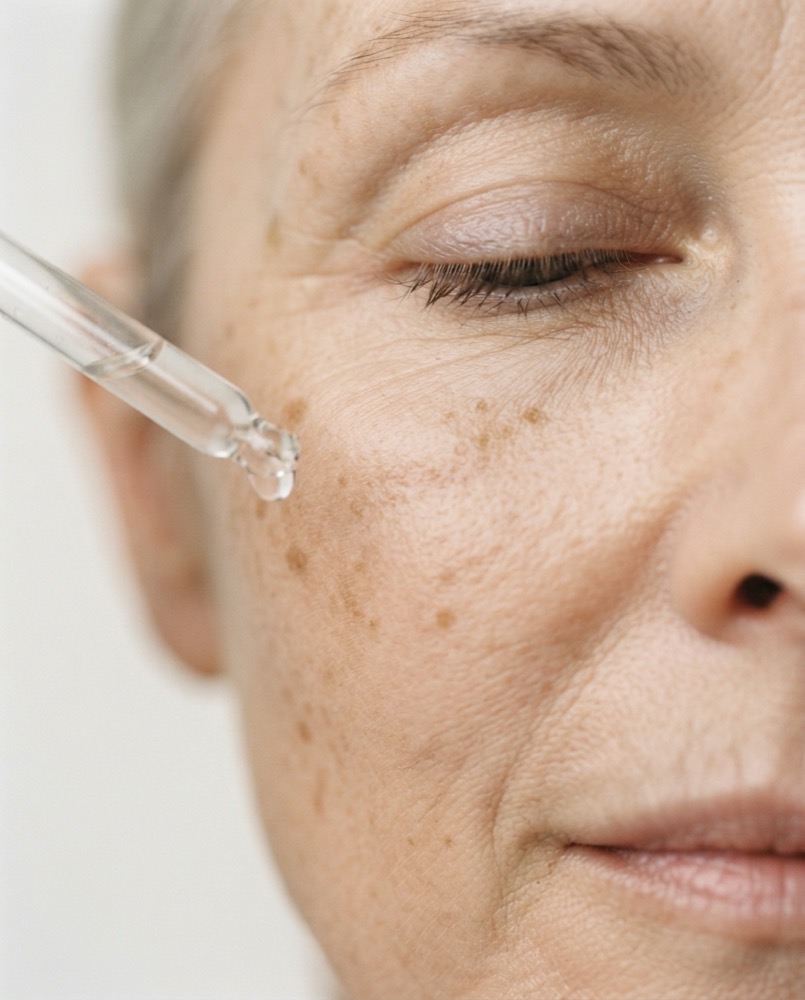
What are age spots?
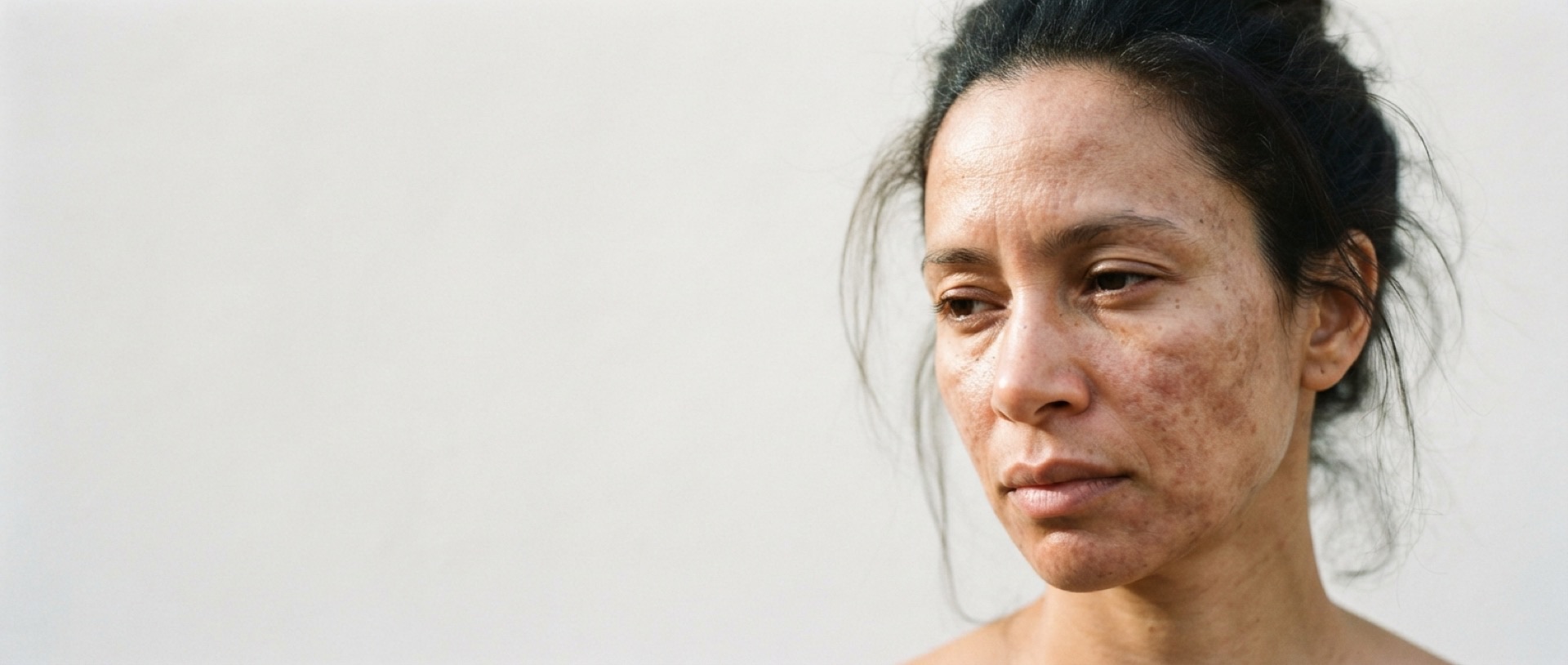
Age spots – known clinically as solar lentigines, and sometimes as liver spots – are flat, well-defined brown or tan patches that appear on skin with the most cumulative sun exposure: the face, backs of the hands, forearms, shoulders and upper chest.
Despite the name, they are not caused by age itself. They are a record of ultraviolet exposure, which is why they are common from the forties onward and why they cluster on areas that rarely get sunscreen.
What causes age spots?
Long-term UV exposure drives melanocytes to over-produce melanin in concentrated spots, and the surrounding keratinocytes stop clearing that pigment efficiently as skin ages.
Fair skin, a history of sunburns, tanning beds and outdoor work all raise the risk. Any new spot that changes shape, colour or size, bleeds or has an irregular border should be checked by a doctor rather than treated cosmetically.
What ingredients are best for age spots?
Topical treatment works but needs patience – expect three to six months. Retinoids speed turnover so pigmented cells shed faster, vitamin C and niacinamide brighten and protect, and alpha arbutin, kojic acid, azelaic acid and liquorice root inhibit new pigment.
Glycolic or lactic acid helps lift existing pigment from the surface. Daily broad-spectrum SPF, including on hands and chest, is what prevents new spots forming. Take our Skin Quiz.