

What is phenoxyethanol in skincare?
Phenoxyethanol is a glycol ether used as a broad-spectrum preservative. It occurs naturally in green tea and chicory, though the cosmetic grade is synthesised for purity.
Its job is unglamorous but essential: any product containing water will grow bacteria, yeast and mould without one. Phenoxyethanol became the default after parabens fell out of consumer favour, and it now appears in a large share of skincare on the market, capped at 1% in most jurisdictions.
What skin concerns does phenoxyethanol treat?
None – it is not an active. It protects the product rather than the skin, and in doing so protects you from applying a contaminated formula to your face, which is a real infection and irritation risk.
Its safety has been examined repeatedly. A safety review of phenoxyethanol as a cosmetic preservative and the EU Scientific Committee on Consumer Safety opinion both conclude it is safe at the permitted concentration. Allergic contact dermatitis happens but is uncommon.
What ingredients are best paired with phenoxyethanol?
It is usually combined with ethylhexylglycerin, caprylyl glycol or organic acids, which boost its activity and let formulators use less of it.
You do not choose products for their preservative, but it is worth knowing that unpreserved or self-preserving formulas are not automatically safer – they spoil faster and carry their own risk. If you react to it, patch testing with a dermatologist will confirm it before you rule out half the market. Take our Skin Quiz.
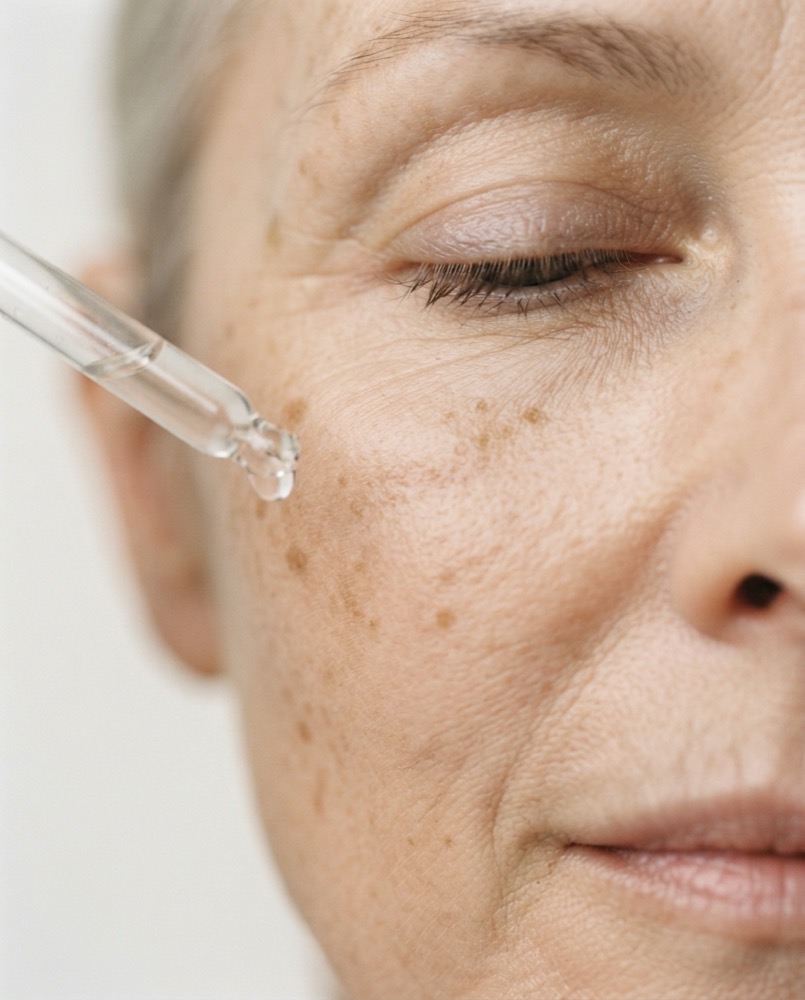
What are age spots?
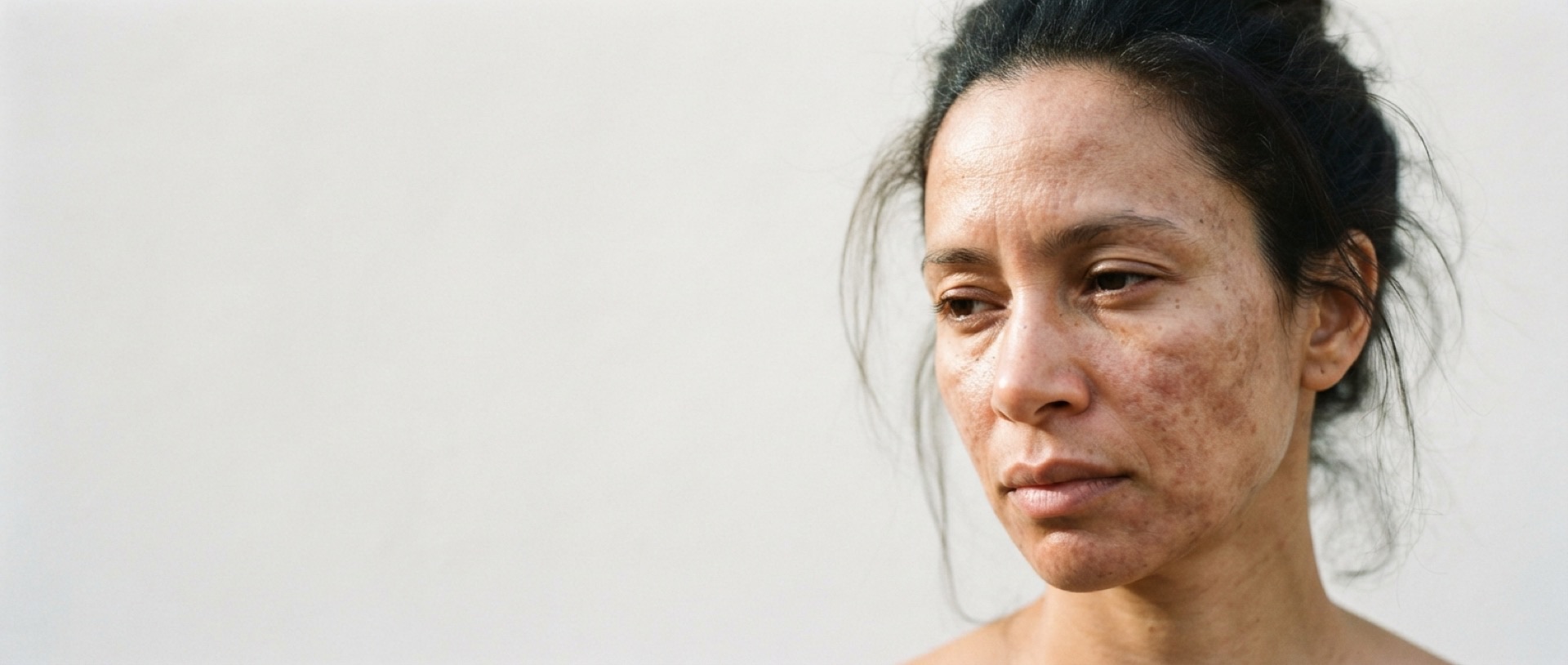
Age spots – known clinically as solar lentigines, and sometimes as liver spots – are flat, well-defined brown or tan patches that appear on skin with the most cumulative sun exposure: the face, backs of the hands, forearms, shoulders and upper chest.
Despite the name, they are not caused by age itself. They are a record of ultraviolet exposure, which is why they are common from the forties onward and why they cluster on areas that rarely get sunscreen.
What causes age spots?
Long-term UV exposure drives melanocytes to over-produce melanin in concentrated spots, and the surrounding keratinocytes stop clearing that pigment efficiently as skin ages.
Fair skin, a history of sunburns, tanning beds and outdoor work all raise the risk. Any new spot that changes shape, colour or size, bleeds or has an irregular border should be checked by a doctor rather than treated cosmetically.
What ingredients are best for age spots?
Topical treatment works but needs patience – expect three to six months. Retinoids speed turnover so pigmented cells shed faster, vitamin C and niacinamide brighten and protect, and alpha arbutin, kojic acid, azelaic acid and liquorice root inhibit new pigment.
Glycolic or lactic acid helps lift existing pigment from the surface. Daily broad-spectrum SPF, including on hands and chest, is what prevents new spots forming. Take our Skin Quiz.