What is lactic acid in skincare?
Lactic acid is an alpha-hydroxy acid originally derived from milk, now usually produced by fermentation. Its molecule is larger than glycolic acid’s, so it penetrates more slowly and irritates less – which makes it the AHA of choice for drier or more reactive skin.
It is also part of the skin’s own natural moisturising factor, so unlike most exfoliants it hydrates while it resurfaces. Research shows it increases ceramide production in the stratum corneum.
What skin concerns does lactic acid treat?
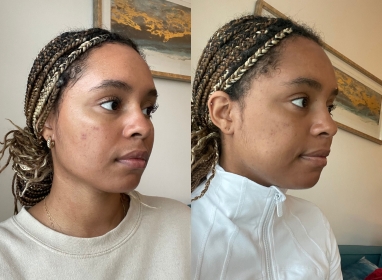
It smooths dullness, flakiness and rough texture, fades pigmentation and post-acne marks, and softens fine lines. Because it improves barrier lipids at the same time, it suits dry, mature and mildly sensitive skin better than stronger acids.
A controlled study pairing lactic acid with ceramides found measurable gains in both moisturisation and even shedding within two weeks.
What ingredients are best paired with lactic acid?
Ceramides are the standout partner, since lactic acid supports the skin making its own. Hyaluronic acid, glycerin, squalane and panthenol round out the hydration side.
Niacinamide layers comfortably, and vitamin C works well on alternate mornings. Keep it out of the same step as retinoids or BHAs while your skin adjusts, start twice weekly, and use SPF daily. Take our Skin Quiz.
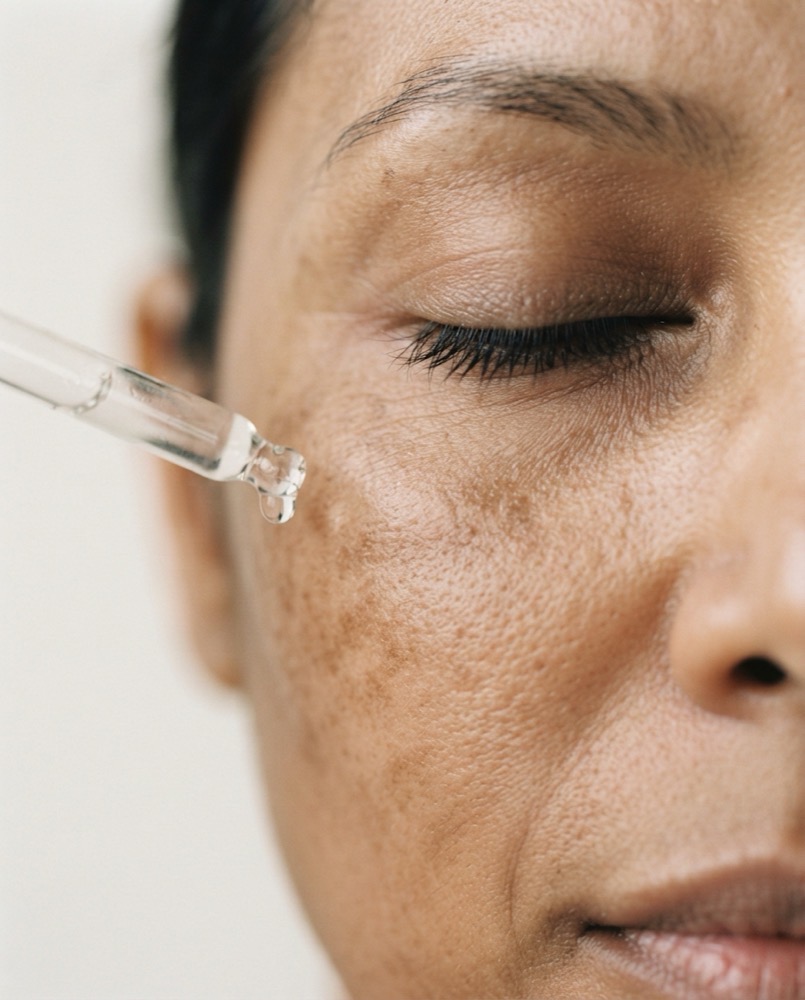
What is pigmentation?
Pigmentation refers to any change in the colour of the skin caused by melanin. Hyperpigmentation – the common form – means patches darker than your natural tone, including sun spots, melasma, freckles and the marks left behind after acne or injury.
Melanin is produced by melanocytes in the lower epidermis and handed to surrounding skin cells. When that process is over-stimulated or unevenly distributed, the result is a visible patch rather than an even tone.
What causes pigmentation?
Ultraviolet exposure is the single largest trigger, because UV directly activates melanin production as a protective response. Inflammation is the second: acne, eczema, friction, waxing, burns or harsh procedures can all leave post-inflammatory hyperpigmentation, which is more common and longer-lasting in deeper skin tones.
Hormonal change, certain medications, heat and genetics complete the picture. Without daily sun protection, treated pigment reliably returns.
What ingredients are best for pigmentation?
The most effective topicals work at different points of melanin production: vitamin C and niacinamide, azelaic acid, tranexamic acid, alpha arbutin, kojic acid and liquorice root extract.
Retinoids and gentle AHAs speed up turnover so pigmented cells clear faster. But broad-spectrum SPF worn daily is the ingredient that decides whether any of it holds – without it, results reverse within weeks. Take our Skin Quiz.