What is hyaluronic acid in skincare?
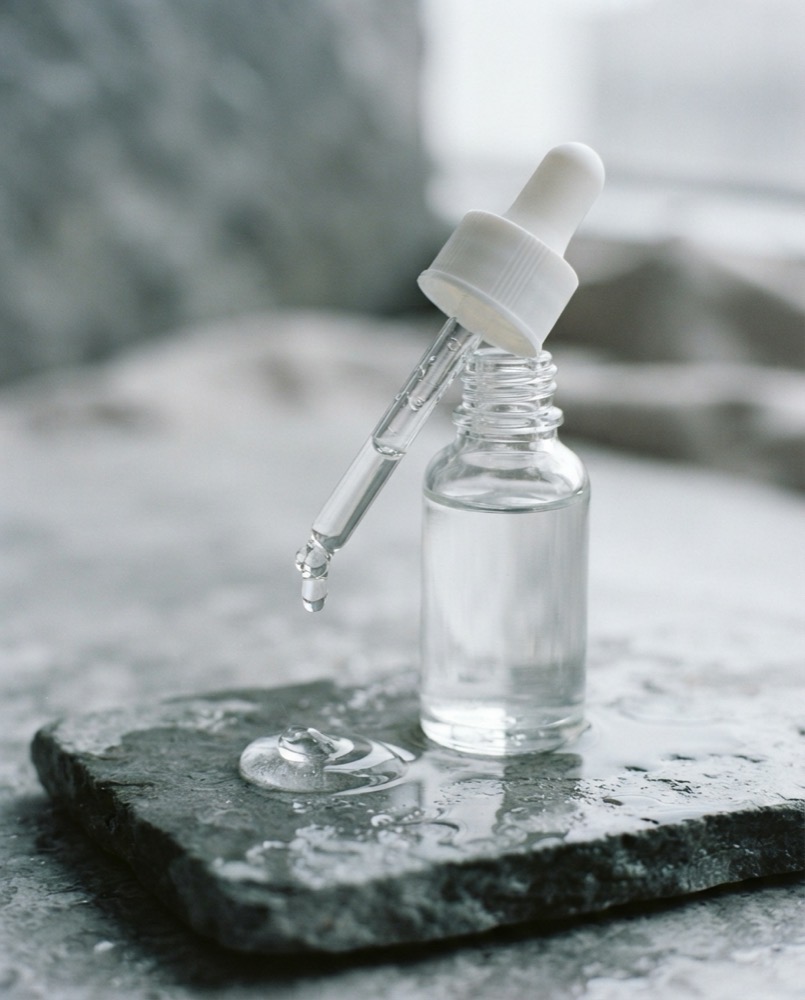
Hyaluronic acid is a glycosaminoglycan that occurs naturally in skin, joints and connective tissue. It is a humectant of remarkable capacity, able to hold many times its own weight in water, which is why it sits in the hydrating step of almost every modern routine.
Molecular weight determines behaviour: high-molecular-weight HA forms a moisture-holding film on the surface, while low-molecular-weight fragments penetrate further for hydration in the deeper epidermis. Good formulas blend several weights.
What skin concerns does hyaluronic acid treat?
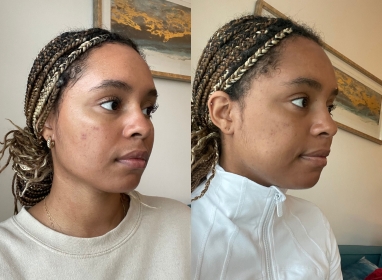
It addresses dehydration in any skin type, including oily and acne-prone skin that cannot tolerate heavy oils. Hydrated skin cells sit plumper against one another, which immediately softens the look of fine lines and improves how the face reflects light.
It also supports barrier function and wound healing, and it makes stronger actives – retinoids, acids – far more tolerable by keeping the skin comfortable alongside them.
What ingredients are best paired with hyaluronic acid?
Hyaluronic acid pulls water in but cannot hold it there alone, so always seal it with an occlusive or emollient: ceramides, squalane, shea butter or a simple moisturiser applied straight after.
It layers well with almost everything – vitamin C, niacinamide, retinoids, peptides and AHAs. Apply it to damp skin, and in a very dry climate keep a moisturiser over the top, or it can draw moisture out of the skin rather than into it. Take our Skin Quiz.
What is pigmentation?
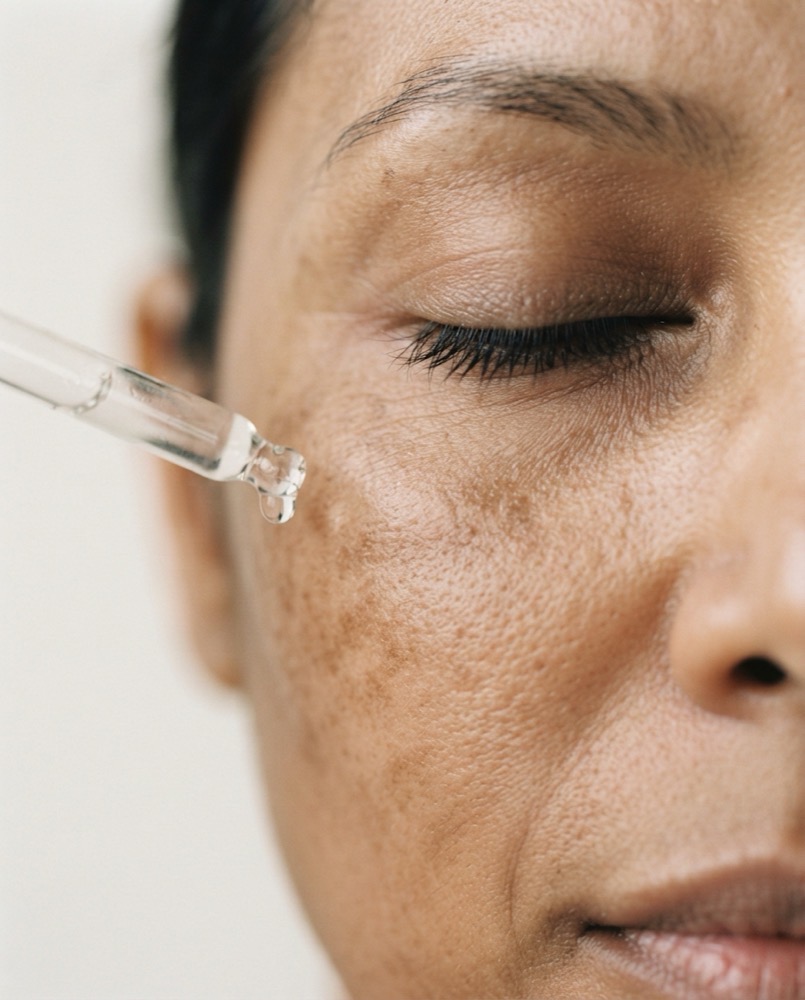
Pigmentation refers to any change in the colour of the skin caused by melanin. Hyperpigmentation – the common form – means patches darker than your natural tone, including sun spots, melasma, freckles and the marks left behind after acne or injury.
Melanin is produced by melanocytes in the lower epidermis and handed to surrounding skin cells. When that process is over-stimulated or unevenly distributed, the result is a visible patch rather than an even tone.
What causes pigmentation?
Ultraviolet exposure is the single largest trigger, because UV directly activates melanin production as a protective response. Inflammation is the second: acne, eczema, friction, waxing, burns or harsh procedures can all leave post-inflammatory hyperpigmentation, which is more common and longer-lasting in deeper skin tones.
Hormonal change, certain medications, heat and genetics complete the picture. Without daily sun protection, treated pigment reliably returns.
What ingredients are best for pigmentation?
The most effective topicals work at different points of melanin production: vitamin C and niacinamide, azelaic acid, tranexamic acid, alpha arbutin, kojic acid and liquorice root extract.
Retinoids and gentle AHAs speed up turnover so pigmented cells clear faster. But broad-spectrum SPF worn daily is the ingredient that decides whether any of it holds – without it, results reverse within weeks. Take our Skin Quiz.