What is honey in skincare?
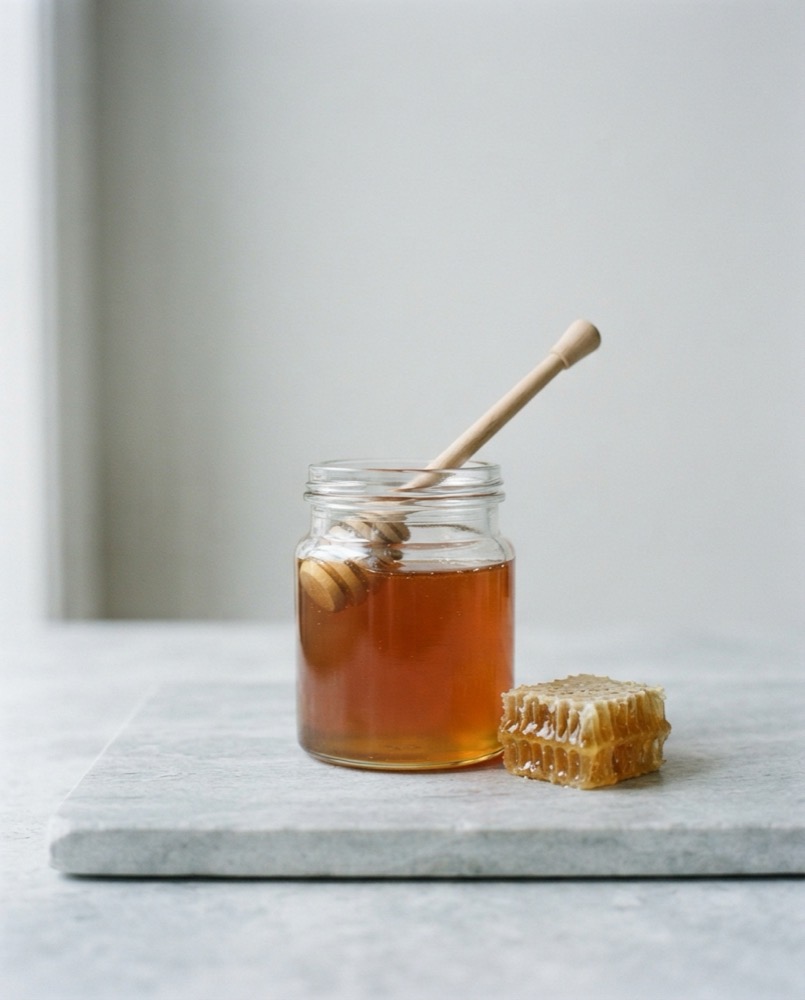
Honey is a supersaturated sugar solution made by bees from floral nectar, containing glucose, fructose, organic acids, enzymes, amino acids and polyphenols. Its low water activity and its glucose oxidase enzyme – which slowly releases hydrogen peroxide – give it genuine antibacterial activity.
Manuka honey is distinguished by methylglyoxal, a non-peroxide antibacterial compound. Medical-grade honey is sterilised and standardised, which matters if the purpose is treatment rather than comfort.
What skin concerns does honey treat?
It is a humectant, so it hydrates; an anti-inflammatory, so it calms redness; and an antibacterial, which is why it helps mild acne. Its enzymes provide very gentle exfoliation.
Its strongest evidence is in wound healing, where medical-grade honey is used clinically on burns, ulcers and slow-healing wounds. For everyday skincare it suits dry, sensitive, irritated and mildly breakout-prone skin.
What ingredients are best paired with honey?
In masks it is traditionally combined with oatmeal, yogurt or turmeric, all of which reinforce its soothing effect. In formulated products it sits well with glycerin, hyaluronic acid, aloe vera and niacinamide.
Rinse it off rather than leaving it on, since raw honey is sticky and its sugars attract dust. Avoid raw honey on broken skin – use a medical-grade product if you are treating a wound. Take our Skin Quiz.
What is pigmentation?
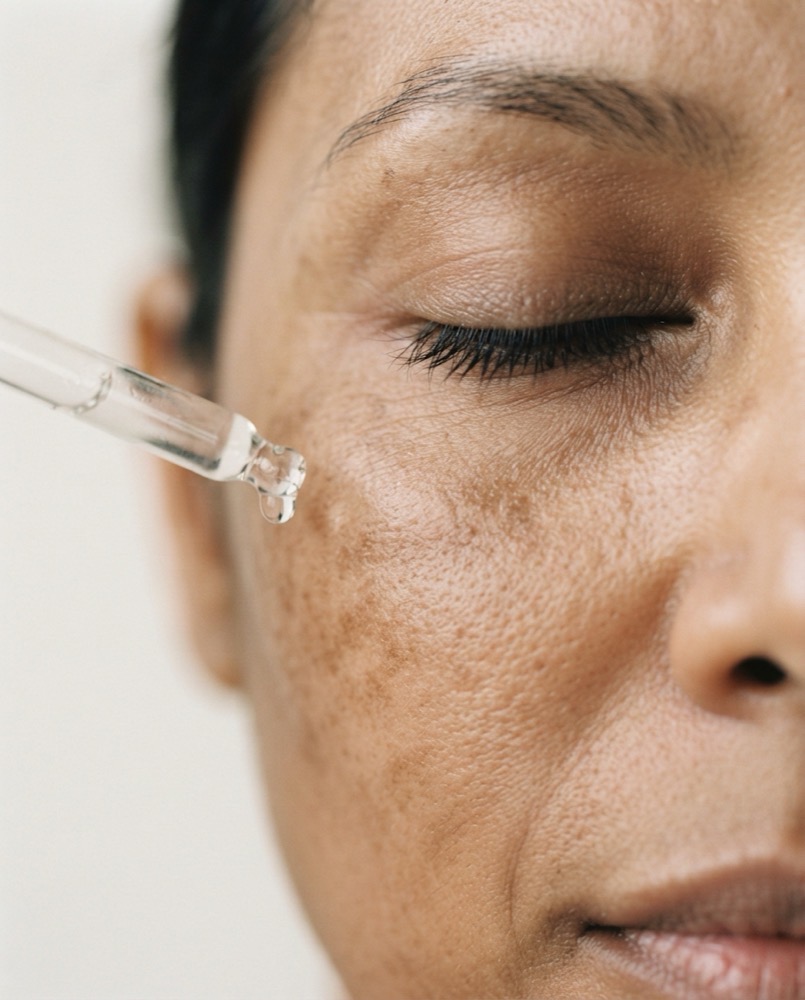
Pigmentation refers to any change in the colour of the skin caused by melanin. Hyperpigmentation – the common form – means patches darker than your natural tone, including sun spots, melasma, freckles and the marks left behind after acne or injury.
Melanin is produced by melanocytes in the lower epidermis and handed to surrounding skin cells. When that process is over-stimulated or unevenly distributed, the result is a visible patch rather than an even tone.
What causes pigmentation?
Ultraviolet exposure is the single largest trigger, because UV directly activates melanin production as a protective response. Inflammation is the second: acne, eczema, friction, waxing, burns or harsh procedures can all leave post-inflammatory hyperpigmentation, which is more common and longer-lasting in deeper skin tones.
Hormonal change, certain medications, heat and genetics complete the picture. Without daily sun protection, treated pigment reliably returns.
What ingredients are best for pigmentation?
The most effective topicals work at different points of melanin production: vitamin C and niacinamide, azelaic acid, tranexamic acid, alpha arbutin, kojic acid and liquorice root extract.
Retinoids and gentle AHAs speed up turnover so pigmented cells clear faster. But broad-spectrum SPF worn daily is the ingredient that decides whether any of it holds – without it, results reverse within weeks. Take our Skin Quiz.