What is grapeseed oil in skincare?
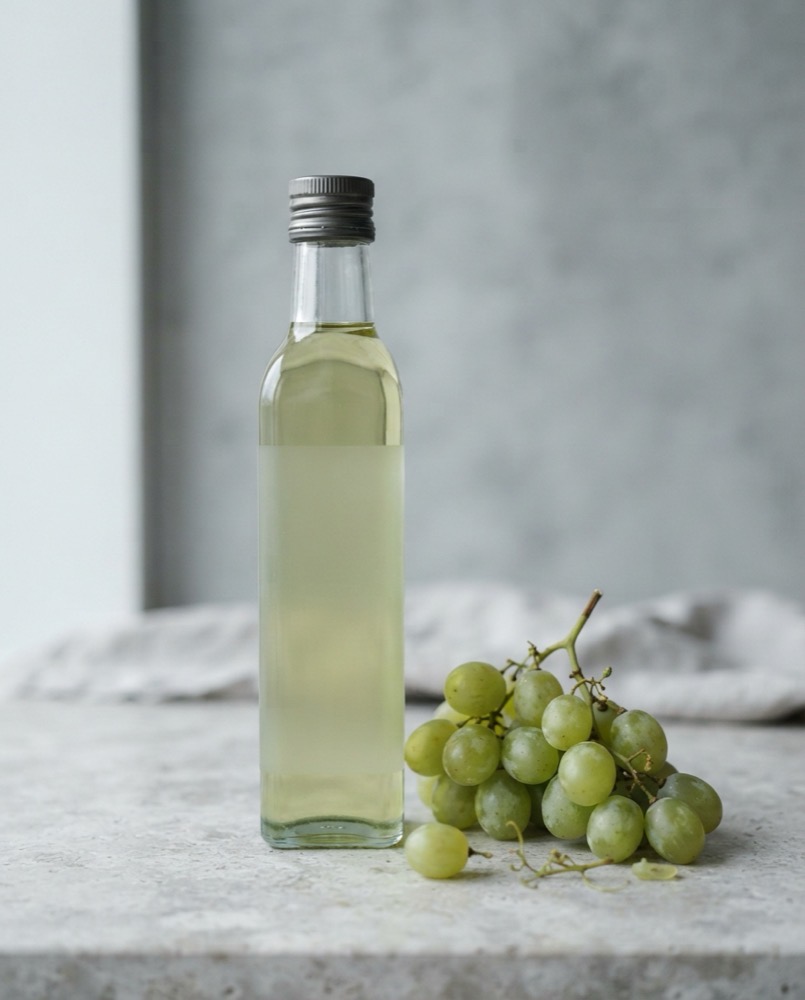
Grapeseed oil is extracted from the seeds left over from winemaking. It is one of the lightest plant oils available and is dominated by linoleic acid – typically around 70% – with vitamin E and proanthocyanidin antioxidants.
That linoleic dominance is what sets it apart. Sebum in acne-prone skin is characteristically low in linoleic acid, so topping it up topically supports the barrier instead of overloading it.
What skin concerns does grapeseed oil treat?
It suits oily, combination and acne-prone skin better than almost any other plant oil: it absorbs quickly, leaves no residue and sits at the low end of the comedogenic scale.
It hydrates without heaviness, its antioxidants help defend against free-radical damage, and its anti-inflammatory activity calms redness. It is also used to soften the appearance of acne scars and to even skin tone over time.
What ingredients are best paired with grapeseed oil?
Layer it over hyaluronic acid or niacinamide and under or instead of a heavier moisturiser. It combines well with ceramides for barrier work and with salicylic acid routines that leave skin dry.
It oxidises faster than more saturated oils, so buy it in small, dark bottles and store it cool. It is also a clean carrier oil for diluting essential oils. Take our Skin Quiz.
What is pigmentation?
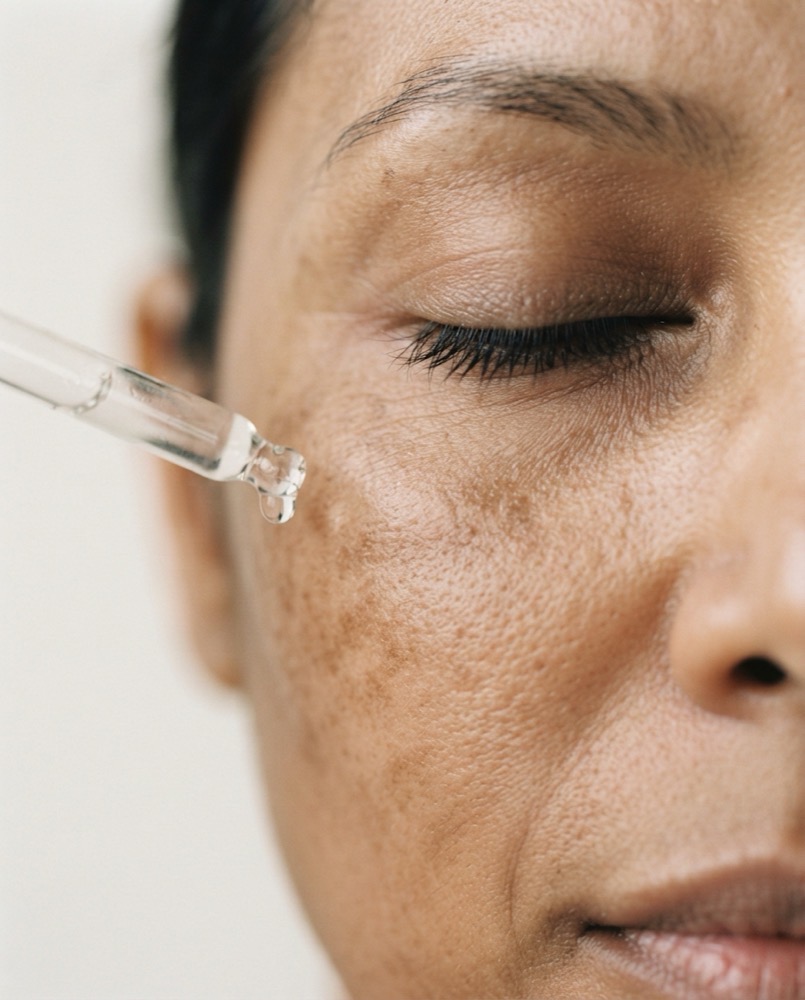
Pigmentation refers to any change in the colour of the skin caused by melanin. Hyperpigmentation – the common form – means patches darker than your natural tone, including sun spots, melasma, freckles and the marks left behind after acne or injury.
Melanin is produced by melanocytes in the lower epidermis and handed to surrounding skin cells. When that process is over-stimulated or unevenly distributed, the result is a visible patch rather than an even tone.
What causes pigmentation?
Ultraviolet exposure is the single largest trigger, because UV directly activates melanin production as a protective response. Inflammation is the second: acne, eczema, friction, waxing, burns or harsh procedures can all leave post-inflammatory hyperpigmentation, which is more common and longer-lasting in deeper skin tones.
Hormonal change, certain medications, heat and genetics complete the picture. Without daily sun protection, treated pigment reliably returns.
What ingredients are best for pigmentation?
The most effective topicals work at different points of melanin production: vitamin C and niacinamide, azelaic acid, tranexamic acid, alpha arbutin, kojic acid and liquorice root extract.
Retinoids and gentle AHAs speed up turnover so pigmented cells clear faster. But broad-spectrum SPF worn daily is the ingredient that decides whether any of it holds – without it, results reverse within weeks. Take our Skin Quiz.