

What is grapeseed oil in skincare?
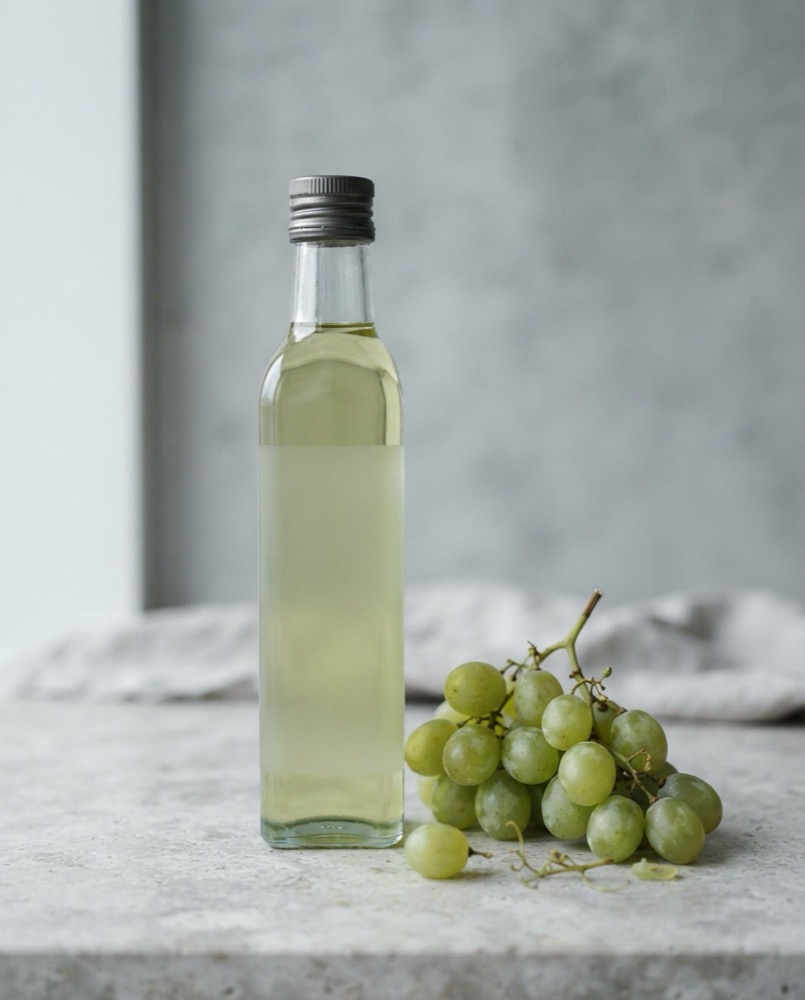
Grapeseed oil is extracted from the seeds left over from winemaking. It is one of the lightest plant oils available and is dominated by linoleic acid – typically around 70% – with vitamin E and proanthocyanidin antioxidants.
That linoleic dominance is what sets it apart. Sebum in acne-prone skin is characteristically low in linoleic acid, so topping it up topically supports the barrier instead of overloading it.
What skin concerns does grapeseed oil treat?
It suits oily, combination and acne-prone skin better than almost any other plant oil: it absorbs quickly, leaves no residue and sits at the low end of the comedogenic scale.
It hydrates without heaviness, its antioxidants help defend against free-radical damage, and its anti-inflammatory activity calms redness. It is also used to soften the appearance of acne scars and to even skin tone over time.
What ingredients are best paired with grapeseed oil?
Layer it over hyaluronic acid or niacinamide and under or instead of a heavier moisturiser. It combines well with ceramides for barrier work and with salicylic acid routines that leave skin dry.
It oxidises faster than more saturated oils, so buy it in small, dark bottles and store it cool. It is also a clean carrier oil for diluting essential oils. Take our Skin Quiz.
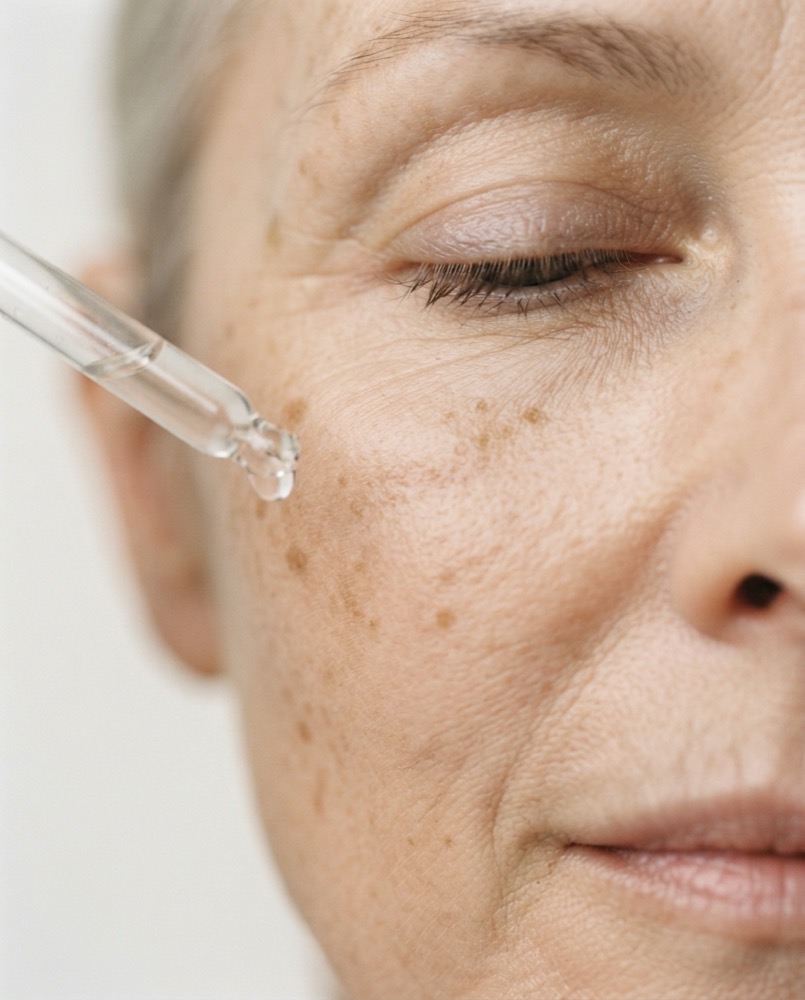
What are age spots?
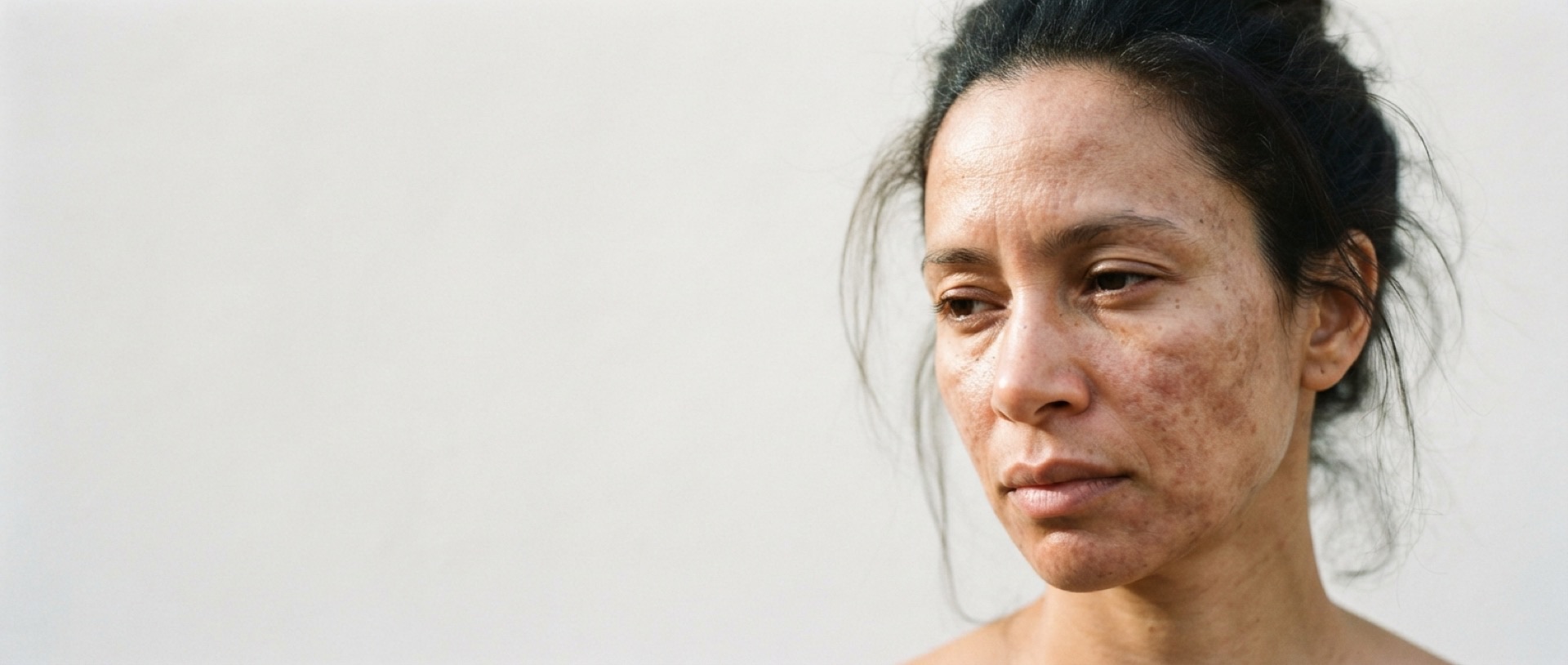
Age spots – known clinically as solar lentigines, and sometimes as liver spots – are flat, well-defined brown or tan patches that appear on skin with the most cumulative sun exposure: the face, backs of the hands, forearms, shoulders and upper chest.
Despite the name, they are not caused by age itself. They are a record of ultraviolet exposure, which is why they are common from the forties onward and why they cluster on areas that rarely get sunscreen.
What causes age spots?
Long-term UV exposure drives melanocytes to over-produce melanin in concentrated spots, and the surrounding keratinocytes stop clearing that pigment efficiently as skin ages.
Fair skin, a history of sunburns, tanning beds and outdoor work all raise the risk. Any new spot that changes shape, colour or size, bleeds or has an irregular border should be checked by a doctor rather than treated cosmetically.
What ingredients are best for age spots?
Topical treatment works but needs patience – expect three to six months. Retinoids speed turnover so pigmented cells shed faster, vitamin C and niacinamide brighten and protect, and alpha arbutin, kojic acid, azelaic acid and liquorice root inhibit new pigment.
Glycolic or lactic acid helps lift existing pigment from the surface. Daily broad-spectrum SPF, including on hands and chest, is what prevents new spots forming. Take our Skin Quiz.