

What is eucalyptus in skincare?
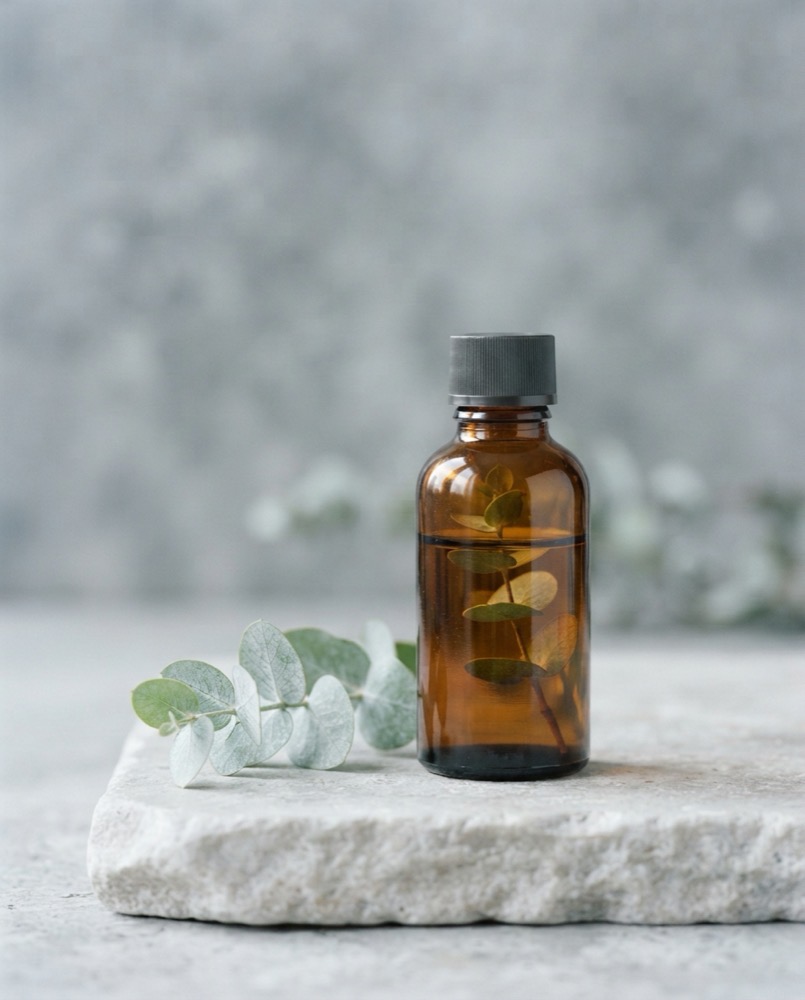
Eucalyptus oil is distilled from the leaves of eucalyptus trees, most commonly Eucalyptus globulus. Its dominant constituent is 1,8-cineole, also called eucalyptol, which produces both its sharp camphoraceous scent and its antimicrobial effect.
It is far better known in respiratory products than in skincare, and where it does appear in topicals it is usually at low concentrations for scent and a cooling sensation. Its antimicrobial and anti-inflammatory activity is documented but it is a potent essential oil.
What skin concerns does eucalyptus treat?
Its antiseptic properties make it useful in products for minor cuts, grazes and insect bites, and it appears in some formulations for cold sores, athlete’s foot and body acne.
For facial skincare the picture is less favourable. Eucalyptus is highly volatile and a recognised sensitiser, it can trigger rosacea flares, and near the eyes it causes stinging and irritation. It should never be used undiluted or ingested.
What ingredients are best paired with eucalyptus?
If used, dilute it heavily in a carrier oil such as olive, jojoba or sweet almond, and keep it to body applications rather than the face.
For the facial concerns eucalyptus is sometimes reached for – congestion, acne, inflammation – salicylic acid, niacinamide, azelaic acid and tea tree oil are better supported and far less likely to irritate. Patch test before any use. Take our Skin Quiz.
What are age spots?
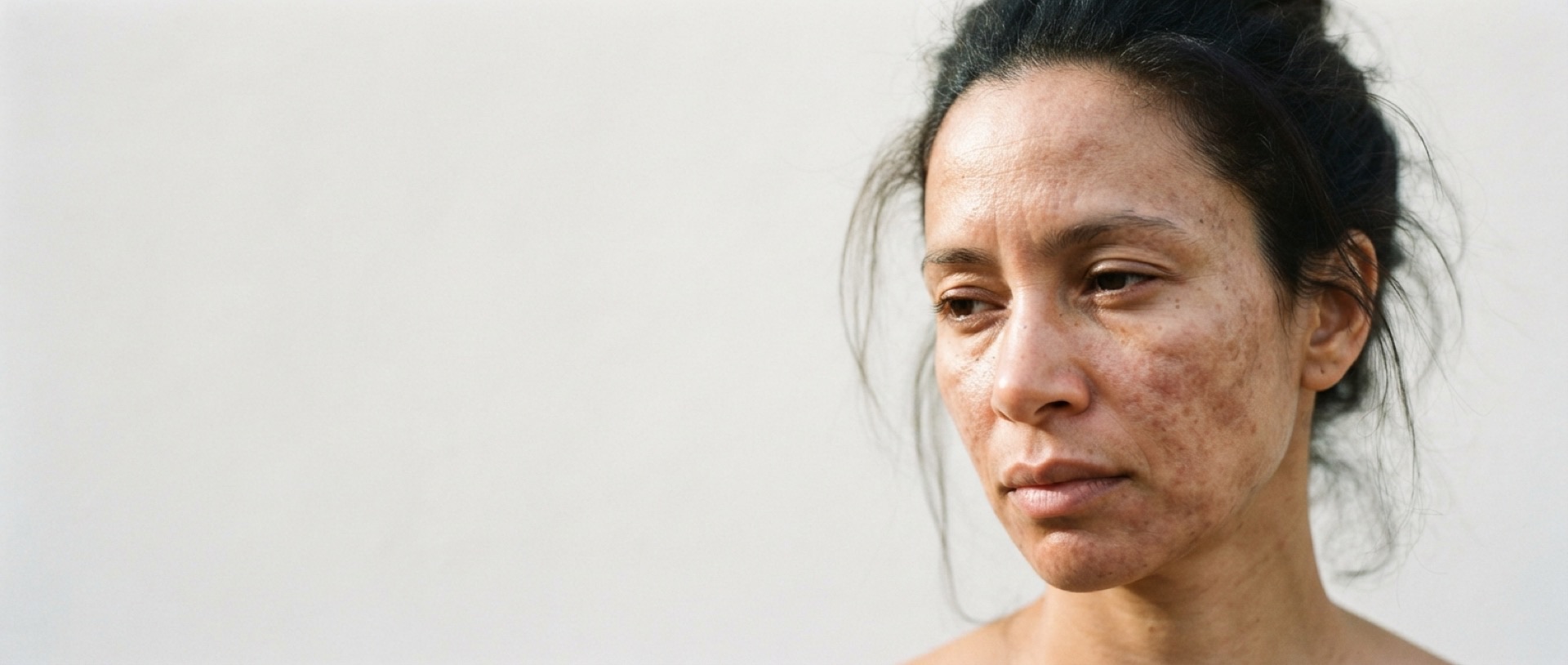
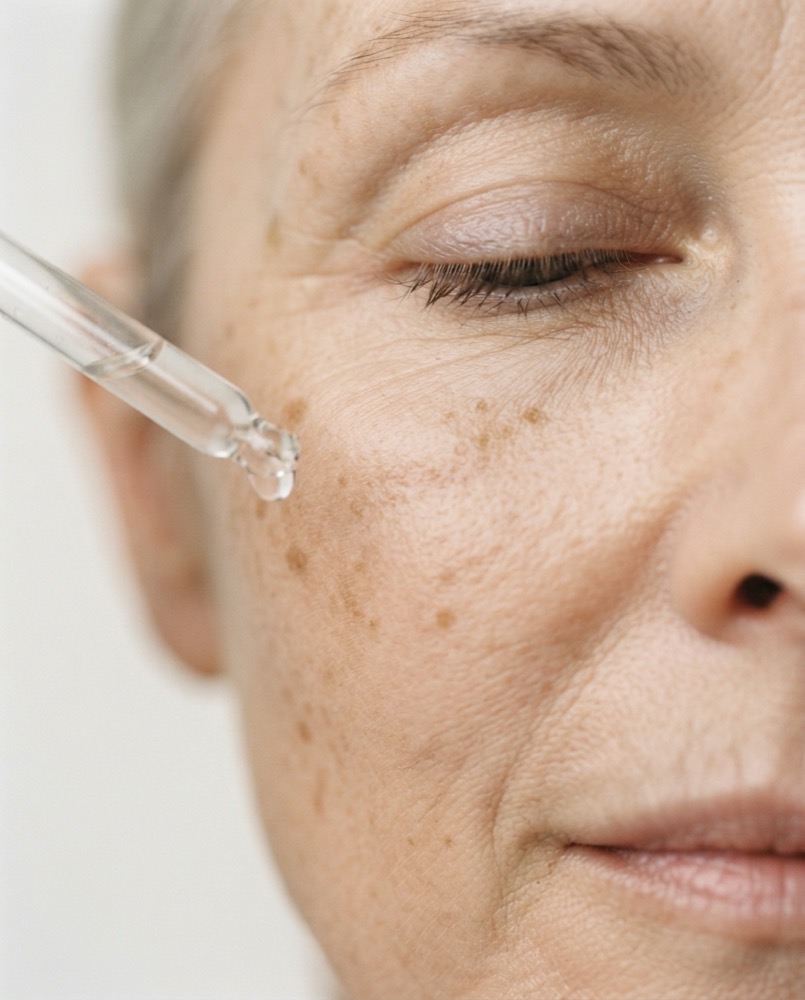
Age spots – known clinically as solar lentigines, and sometimes as liver spots – are flat, well-defined brown or tan patches that appear on skin with the most cumulative sun exposure: the face, backs of the hands, forearms, shoulders and upper chest.
Despite the name, they are not caused by age itself. They are a record of ultraviolet exposure, which is why they are common from the forties onward and why they cluster on areas that rarely get sunscreen.
What causes age spots?
Long-term UV exposure drives melanocytes to over-produce melanin in concentrated spots, and the surrounding keratinocytes stop clearing that pigment efficiently as skin ages.
Fair skin, a history of sunburns, tanning beds and outdoor work all raise the risk. Any new spot that changes shape, colour or size, bleeds or has an irregular border should be checked by a doctor rather than treated cosmetically.
What ingredients are best for age spots?
Topical treatment works but needs patience – expect three to six months. Retinoids speed turnover so pigmented cells shed faster, vitamin C and niacinamide brighten and protect, and alpha arbutin, kojic acid, azelaic acid and liquorice root inhibit new pigment.
Glycolic or lactic acid helps lift existing pigment from the surface. Daily broad-spectrum SPF, including on hands and chest, is what prevents new spots forming. Take our Skin Quiz.