What are antioxidants in skincare?
Antioxidants are molecules that neutralise free radicals – unstable oxygen species generated by UV light, pollution, smoke and normal metabolism. Left unchecked those radicals damage lipids, proteins and DNA in skin cells.
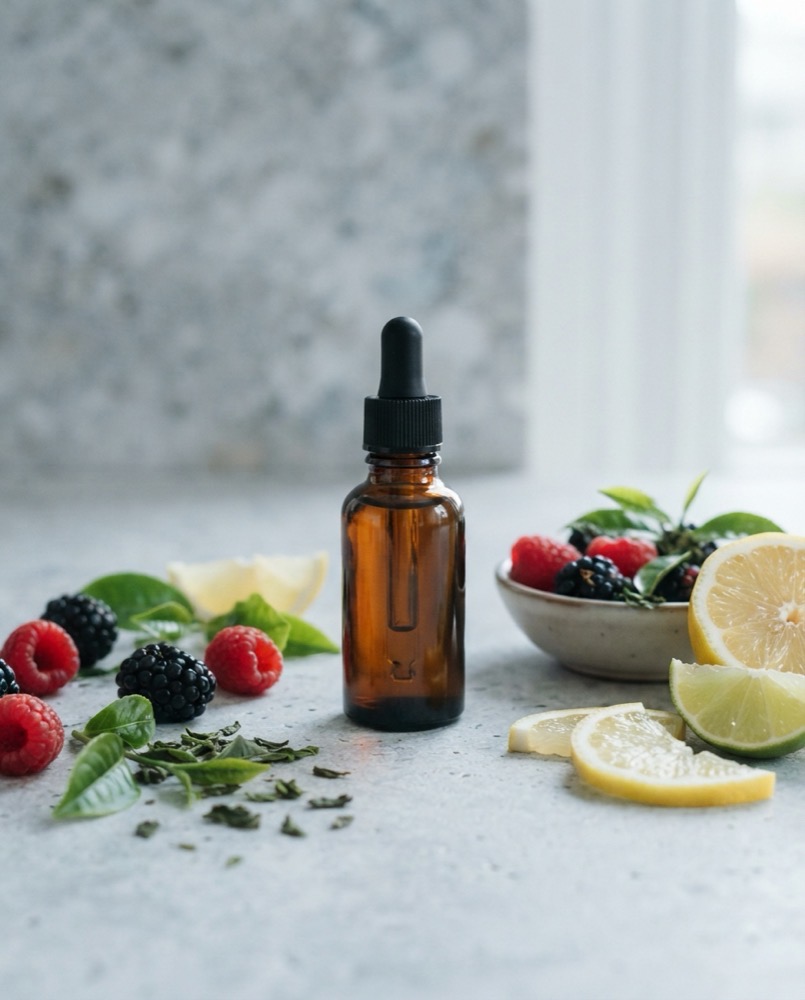
Skin has its own antioxidant network, but it is depleted by sun exposure and declines with age. Topical antioxidants top it back up. The category spans vitamin C, vitamin E, ferulic acid, niacinamide, resveratrol, green tea polyphenols, coenzyme Q10 and many botanical extracts.
What skin concerns do antioxidants treat?
They are primarily preventative, working against the oxidative damage behind photoageing – fine lines, loss of firmness, uneven tone and dullness.
Several also treat actively: vitamin C brightens pigment, niacinamide evens tone and controls oil, green tea and resveratrol calm inflammation. Applied under sunscreen they reduce the damage that gets through, which is why dermatologists treat them as a morning step rather than an optional extra.
What ingredients are best paired with antioxidants?
Antioxidants work as a network, regenerating one another, so combinations outperform any single one. The best-evidenced example is vitamin C with vitamin E and ferulic acid, which together measurably increase photoprotection beyond what each achieves alone.
Use them in the morning, always under broad-spectrum SPF – they reduce damage but do not block UV. At night, pair with retinoids and peptides for repair, and with ceramides and hyaluronic acid for barrier support. Take our Skin Quiz.
What is pigmentation?
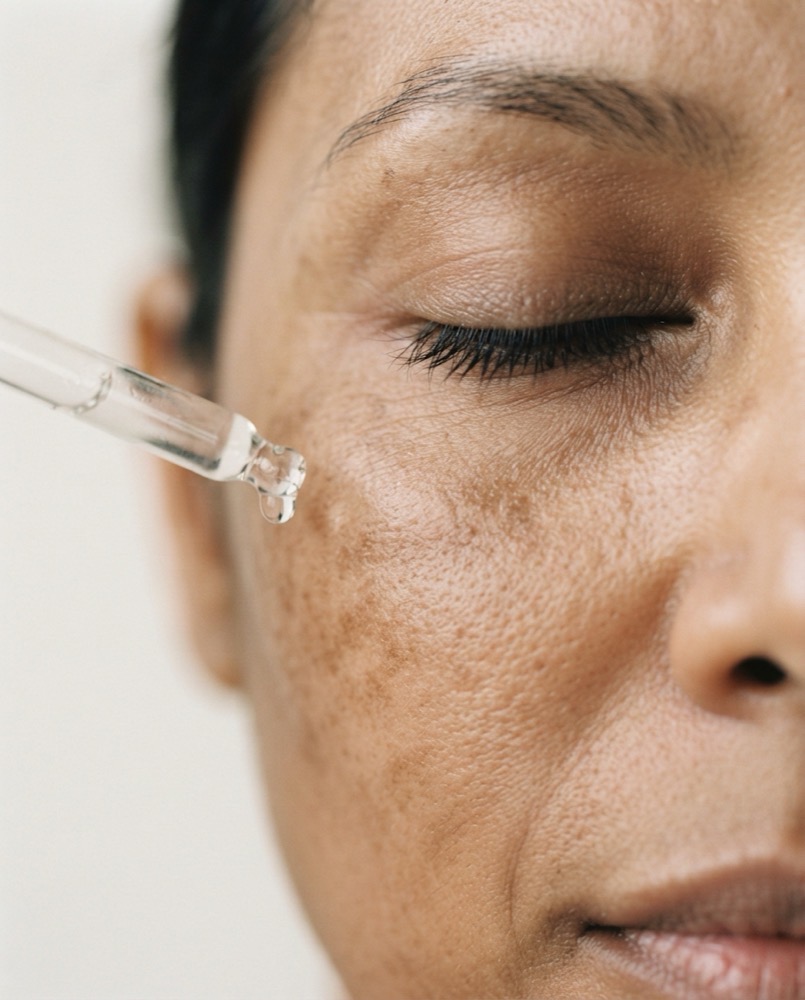
Pigmentation refers to any change in the colour of the skin caused by melanin. Hyperpigmentation – the common form – means patches darker than your natural tone, including sun spots, melasma, freckles and the marks left behind after acne or injury.
Melanin is produced by melanocytes in the lower epidermis and handed to surrounding skin cells. When that process is over-stimulated or unevenly distributed, the result is a visible patch rather than an even tone.
What causes pigmentation?
Ultraviolet exposure is the single largest trigger, because UV directly activates melanin production as a protective response. Inflammation is the second: acne, eczema, friction, waxing, burns or harsh procedures can all leave post-inflammatory hyperpigmentation, which is more common and longer-lasting in deeper skin tones.
Hormonal change, certain medications, heat and genetics complete the picture. Without daily sun protection, treated pigment reliably returns.
What ingredients are best for pigmentation?
The most effective topicals work at different points of melanin production: vitamin C and niacinamide, azelaic acid, tranexamic acid, alpha arbutin, kojic acid and liquorice root extract.
Retinoids and gentle AHAs speed up turnover so pigmented cells clear faster. But broad-spectrum SPF worn daily is the ingredient that decides whether any of it holds – without it, results reverse within weeks. Take our Skin Quiz.