What is sodium ascorbyl phosphate in skincare?
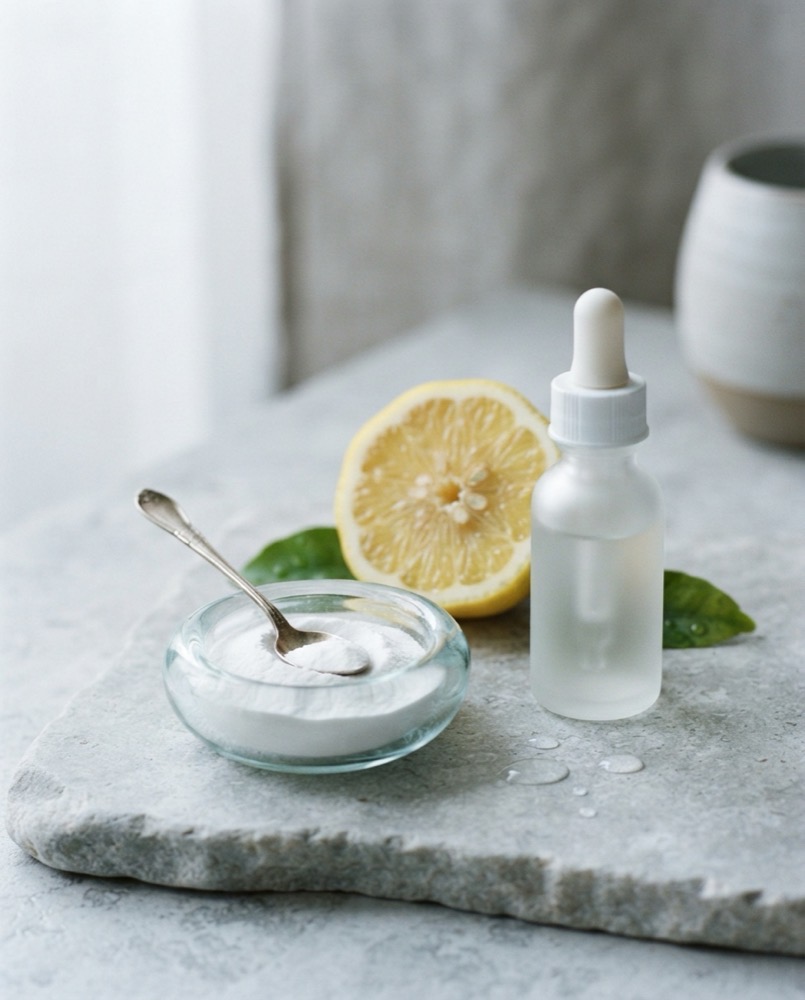
Sodium ascorbyl phosphate, often abbreviated SAP, is a water-soluble salt of vitamin C in which a phosphate group protects the unstable part of the ascorbic acid molecule. Enzymes in the skin cleave that group to release active vitamin C.
The trade-off is deliberate: SAP is far more stable than L-ascorbic acid, works at a near-neutral pH that does not sting, and does not oxidise to orange in the bottle – but conversion means slower, gentler results.
What skin concerns does sodium ascorbyl phosphate treat?
It brightens pigmentation and uneven tone, provides antioxidant defence against UV and pollution, and supports collagen for firmness and fine lines.
It has one benefit pure vitamin C does not: both in vitro and in vivo work shows SAP is effective in preventing and treating acne vulgaris, through antimicrobial and anti-inflammatory action. That makes it an unusually good fit for oily, breakout-prone skin that also wants brightening.
What ingredients are best paired with sodium ascorbyl phosphate?
Niacinamide is a natural partner for tone and oil control, and vitamin E extends its antioxidant reach. It layers safely with hyaluronic acid, ceramides and most actives.
Because it is water-soluble and pH-neutral it is far easier to formulate and use than L-ascorbic acid, and it suits sensitive skin. As with all vitamin C derivatives, expect a gentler curve and give it three months. Take our Skin Quiz.
What is pigmentation?
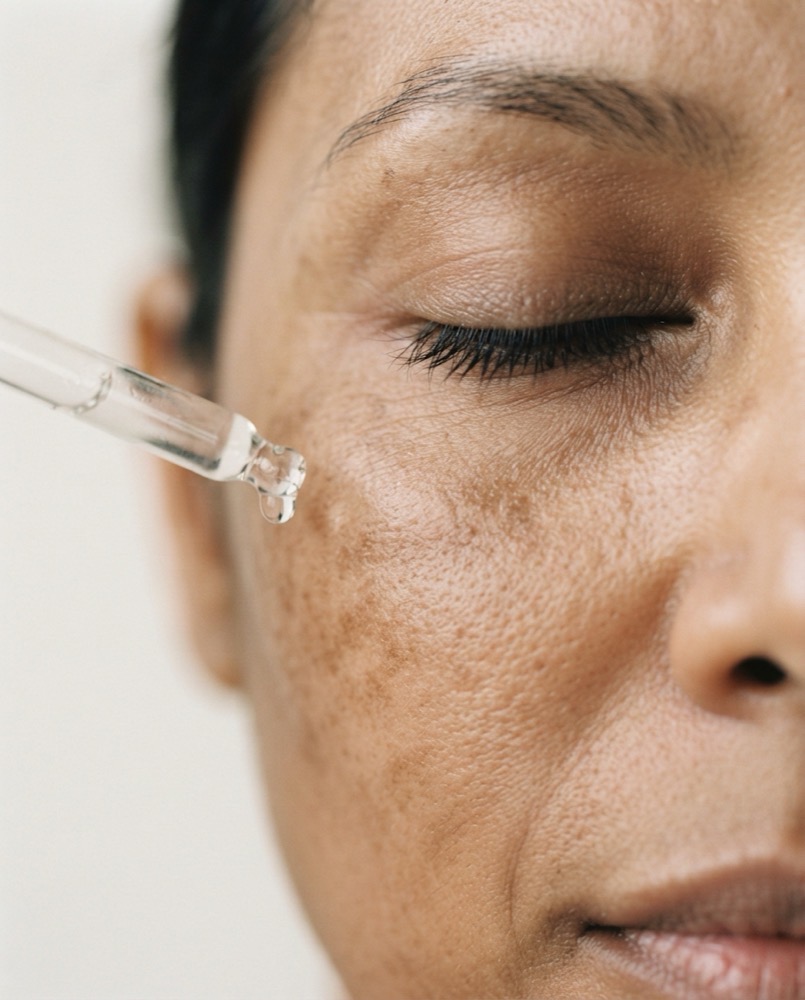
Pigmentation refers to any change in the colour of the skin caused by melanin. Hyperpigmentation – the common form – means patches darker than your natural tone, including sun spots, melasma, freckles and the marks left behind after acne or injury.
Melanin is produced by melanocytes in the lower epidermis and handed to surrounding skin cells. When that process is over-stimulated or unevenly distributed, the result is a visible patch rather than an even tone.
What causes pigmentation?
Ultraviolet exposure is the single largest trigger, because UV directly activates melanin production as a protective response. Inflammation is the second: acne, eczema, friction, waxing, burns or harsh procedures can all leave post-inflammatory hyperpigmentation, which is more common and longer-lasting in deeper skin tones.
Hormonal change, certain medications, heat and genetics complete the picture. Without daily sun protection, treated pigment reliably returns.
What ingredients are best for pigmentation?
The most effective topicals work at different points of melanin production: vitamin C and niacinamide, azelaic acid, tranexamic acid, alpha arbutin, kojic acid and liquorice root extract.
Retinoids and gentle AHAs speed up turnover so pigmented cells clear faster. But broad-spectrum SPF worn daily is the ingredient that decides whether any of it holds – without it, results reverse within weeks. Take our Skin Quiz.