

What is vitamin A in skincare?
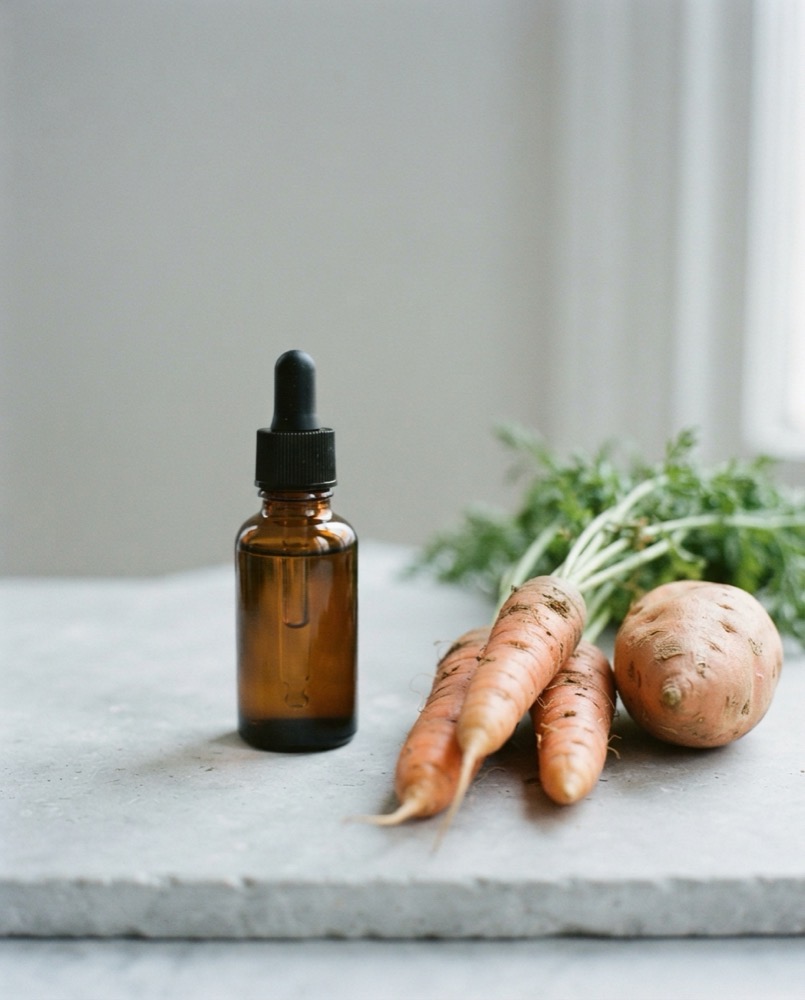
Vitamin A is the parent of the entire retinoid family. In skincare it appears in several forms of increasing strength: retinyl esters, retinol, retinaldehyde, and prescription retinoic acid (tretinoin).
Every form except retinoic acid must be converted by the skin before it can act – each conversion step costs potency, which is why retinyl palmitate is mild and tretinoin is powerful. Vitamin A regulates how skin cells mature, turn over and produce collagen.
What skin concerns does vitamin A treat?
It is the most versatile active in dermatology: fine lines and wrinkles, loss of firmness, uneven tone and pigmentation, enlarged pores, rough texture, and acne at every severity.
Because it works at the level of cell behaviour rather than the surface, results are gradual and cumulative – expect twelve weeks before meaningful change, and continued improvement for a year or more.
What ingredients are best paired with vitamin A?
Pair it with hyaluronic acid, ceramides, niacinamide, squalane and panthenol to absorb the dryness and flaking of the adjustment period. Introduce it two nights a week and build up.
Use it at night only, and wear broad-spectrum SPF daily – vitamin A increases photosensitivity and is degraded by light. Avoid combining it with AHAs, BHAs or benzoyl peroxide in the same step, and avoid retinoids entirely during pregnancy. Take our Skin Quiz.
What are acne scars?
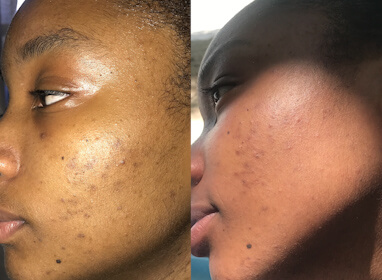
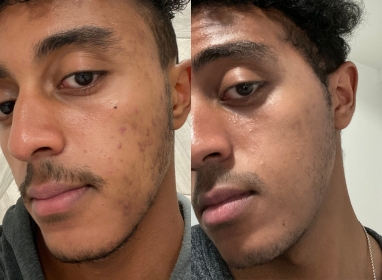
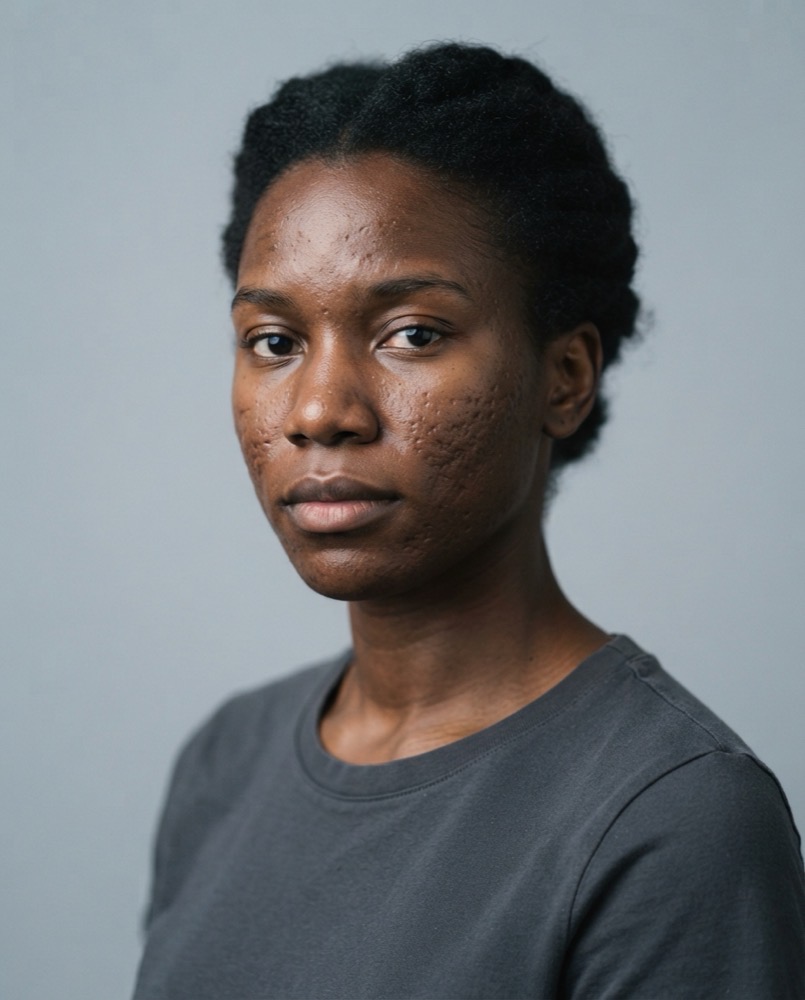
Acne scars are permanent changes in skin texture left behind after inflammatory acne damages the dermis. They fall into two families: atrophic scars, which sit below the surface as ice-pick, boxcar or rolling depressions, and hypertrophic or keloid scars, which sit raised above it.
What most people call scarring is often post-inflammatory hyperpigmentation or erythema – flat brown or red marks with no texture change. Those fade on their own; true atrophic scars do not.
What causes acne scars?
Scarring happens when inflammation reaches deep enough to destroy collagen and the repair process either lays down too little (atrophic) or too much (hypertrophic). Deep nodular and cystic lesions carry the highest risk.
Delaying treatment, picking or squeezing, and prolonged inflammation all increase the odds. Genetics play a large part in who scars and how, which is why two people with identical acne can heal very differently.
What ingredients are best for acne scars?
For flat marks, ingredients that speed turnover and calm pigment work well: retinoids, vitamin C, niacinamide, azelaic acid, alpha arbutin and AHAs, with daily SPF to stop marks darkening again.
For true textural scarring, topicals can soften but not erase – retinoids and peptides help remodel collagen over months, while in-clinic options like microneedling, resurfacing and subcision do the heavy lifting. Preventing new inflammation is the highest-value step. Take our Skin Quiz.