What is ethylhexyl palmitate in skincare?
Ethylhexyl palmitate, sometimes listed as octyl palmitate, is an ester of 2-ethylhexyl alcohol and palmitic acid. It is a clear, very light liquid used as an emollient, a solvent and a texture agent.
It is particularly common in sunscreens and makeup, where it dissolves UV filters and pigments and gives them an elegant, dry-touch finish. It is also used to replace mineral oil in formulations aiming for a lighter skin feel.
What skin concerns does ethylhexyl palmitate treat?
It softens the skin surface and slows water loss, giving a smooth, conditioned finish without greasiness. Its main role, though, is making other things work – keeping sunscreen filters evenly dispersed so the stated SPF is actually delivered.
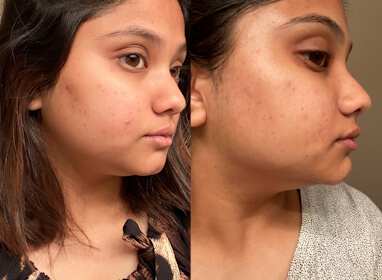
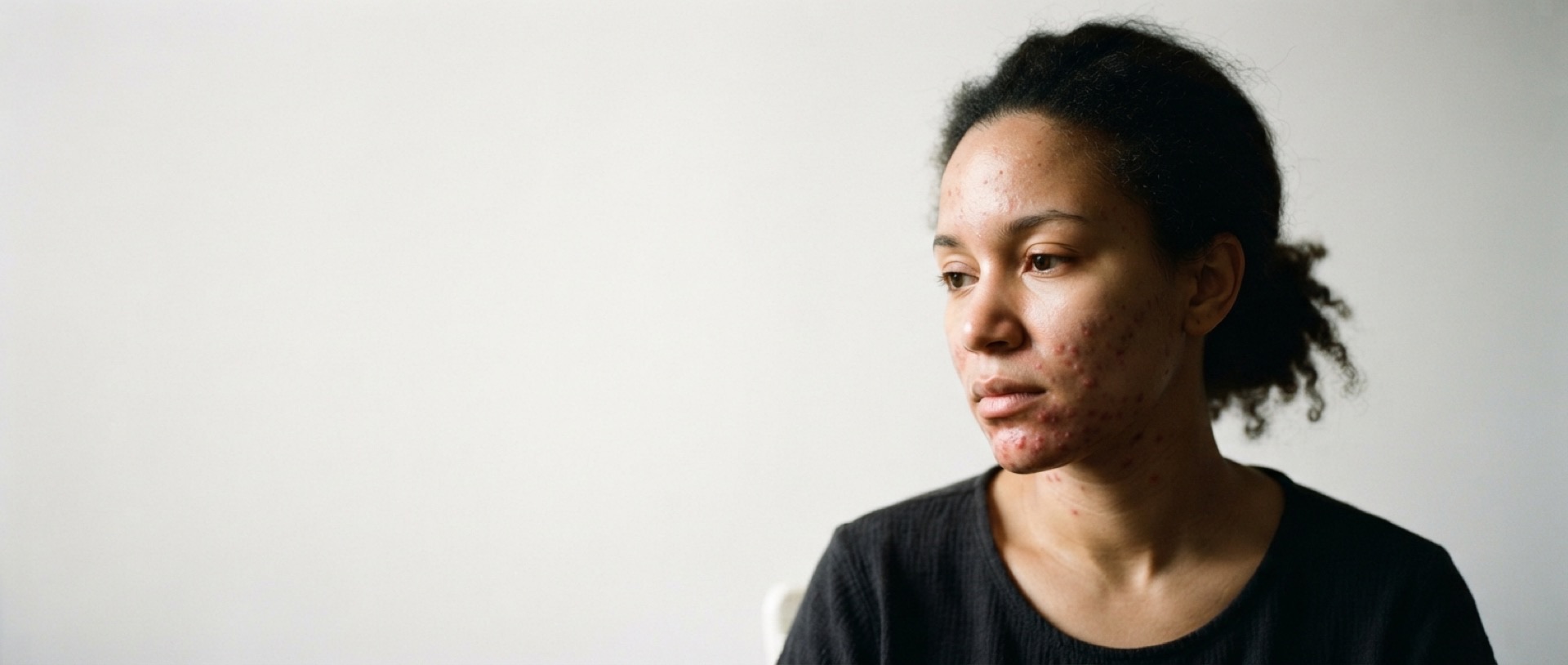
Like its close relative isopropyl palmitate it scores poorly on comedogenicity testing. For acne-prone skin, a sunscreen or foundation built around it is a plausible cause of persistent small congestion around the cheeks and forehead.
What ingredients are best paired with ethylhexyl palmitate?
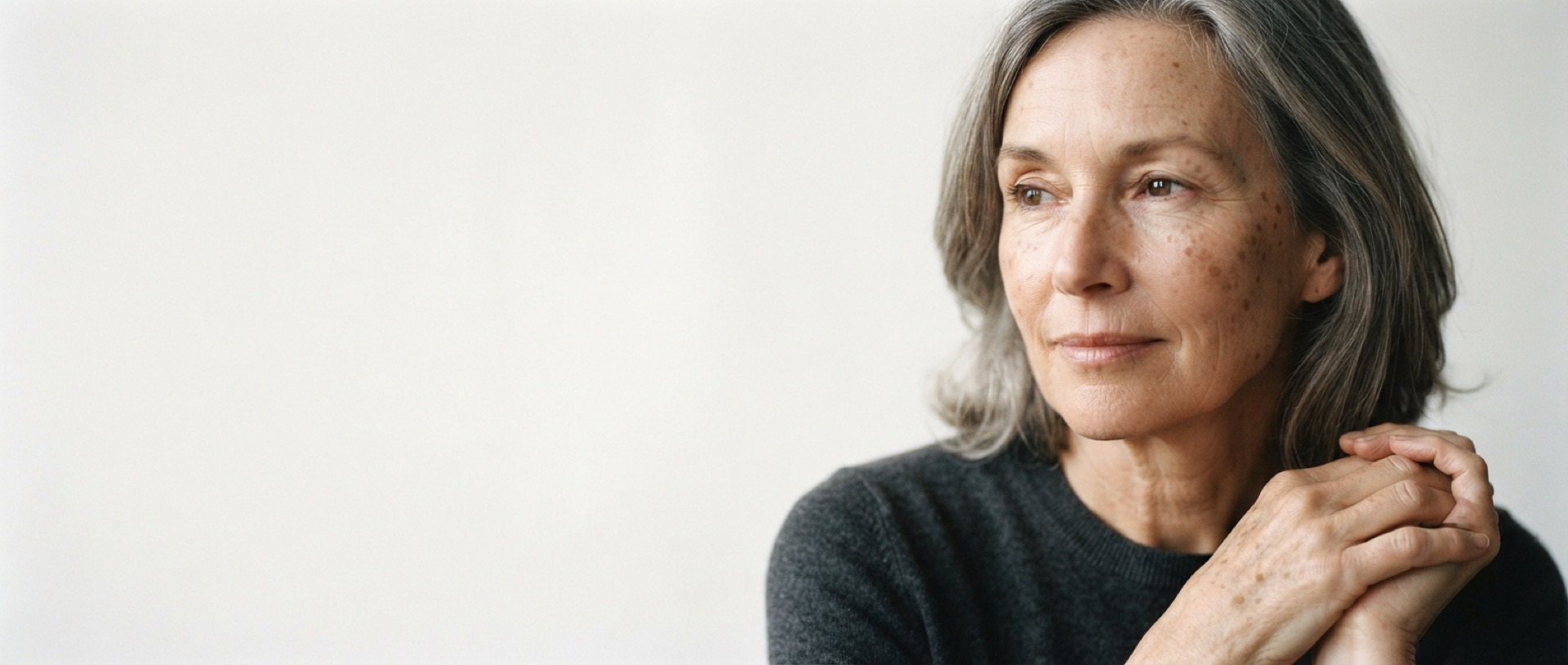
In dry or normal skin it sits well with ceramides, glycerin, squalane and shea butter, adding slip without weight.
If you are breakout-prone, look for sunscreens and bases that use squalane, caprylic/capric triglyceride or silicone-based esters instead. The finish is similar and the congestion risk is considerably lower. Take our Skin Quiz.
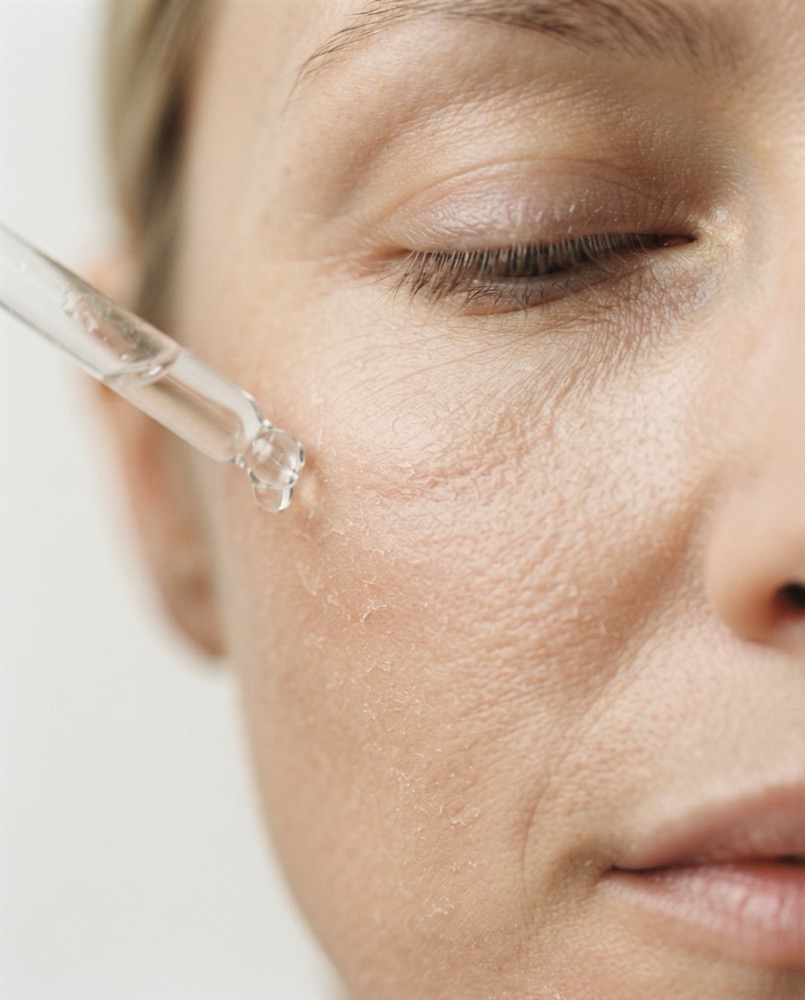
What is dry skin?
Dry skin – xerosis in clinical terms – is a skin type that lacks oil rather than water. It feels tight after cleansing, looks flaky or rough, may show fine cracking, and often reads dull because the uneven surface scatters light.
It is worth separating dry skin from dehydrated skin: dryness is a lack of lipids and is usually lifelong, while dehydration is a temporary lack of water and can happen to oily skin too. Many people have both at once.
What causes dry skin?
At the root is a compromised moisture barrier. When ceramides, cholesterol, fatty acids and natural moisturising factors run low, water evaporates out of the skin faster than it can be replaced.
Age, genetics, cold weather and low humidity, long hot showers, harsh surfactants, over-exfoliation, some medications, and conditions such as eczema and psoriasis all deplete those lipids. Consistent moisturising is the single intervention with the strongest evidence behind it.
What ingredients are best for dry skin?
Rebuild in layers. Humectants such as hyaluronic acid, glycerin, urea and panthenol draw water in; emollients such as squalane, jojoba oil and shea butter smooth the surface; and occlusives seal the whole thing in.
Ceramides, cholesterol and fatty acids are the priority, because they replace exactly what a dry barrier is missing, with niacinamide helping the skin make more of its own. Apply to damp skin, and swap foaming cleansers for cream or oil-based ones. Take our Skin Quiz to find the right combination for your skin.