

What is castile soap in skincare?
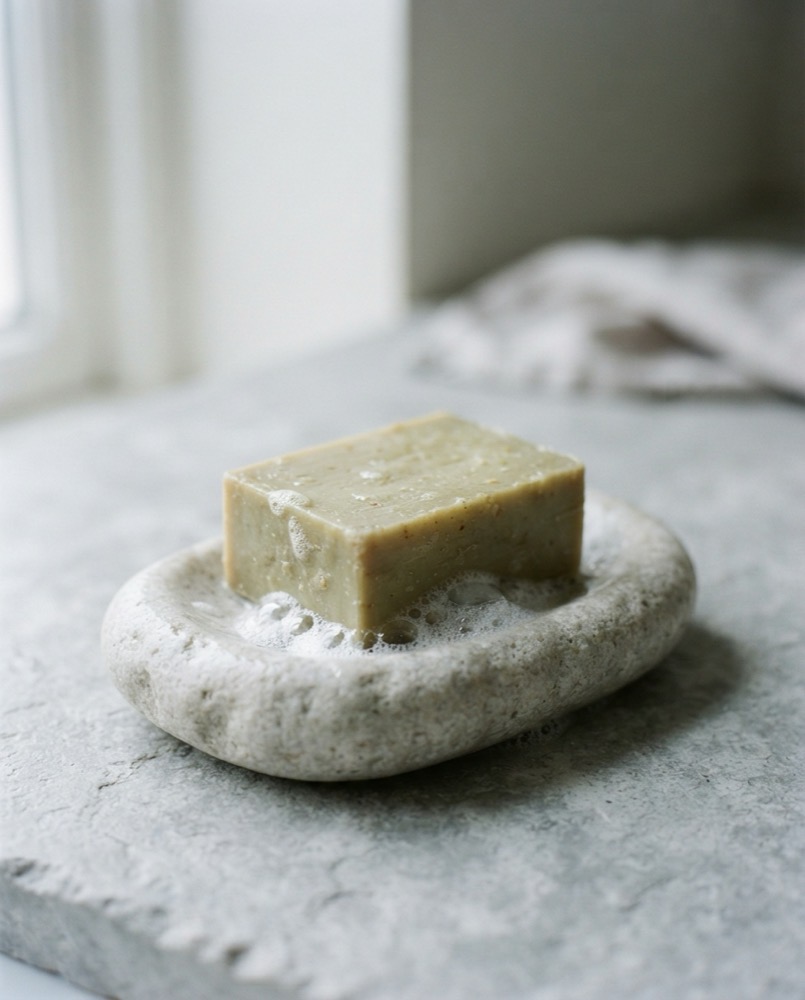
Castile soap is a true soap made by saponifying vegetable oils – traditionally olive oil, now often a blend with coconut and hemp – with an alkali. It contains no synthetic detergents, which is the basis of its natural reputation.
That chemistry has an unavoidable consequence: real soap is alkaline, typically pH 9 to 10. Healthy skin sits at roughly pH 4.7 to 5.75, the acid mantle that keeps enzymes working and pathogens out.
What skin concerns does castile soap treat?
It cleans very effectively, is biodegradable and free of synthetic surfactants, and is a reasonable choice for household cleaning, hands and some body use.
On the face it is a poor fit. Comparisons of soaps and syndets consistently show true soaps raise skin pH and disrupt the barrier more than pH-balanced synthetic cleansers. The tight, squeaky feeling afterwards is stripped lipids, and skin often responds by producing more oil.
What ingredients are best paired with castile soap?
If you use it on the body, follow immediately with a moisturiser containing ceramides, glycerin or shea butter, and keep it off the face, eye area and any eczema-prone skin.
For facial cleansing, a pH-balanced gel, cream or oil cleanser is a better choice for every skin type – gentler on the barrier and just as clean. Never use castile soap with an acidic product in the same step; the reaction leaves a curdled residue. Take our Skin Quiz.
What is cystic acne?
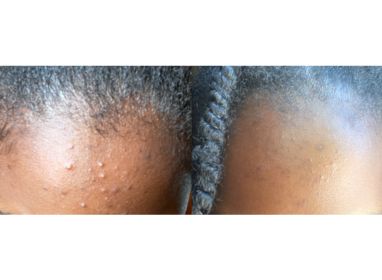
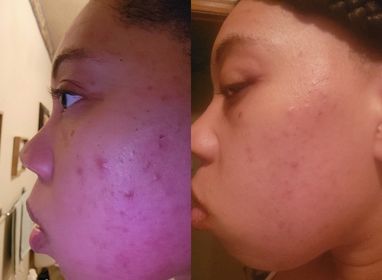
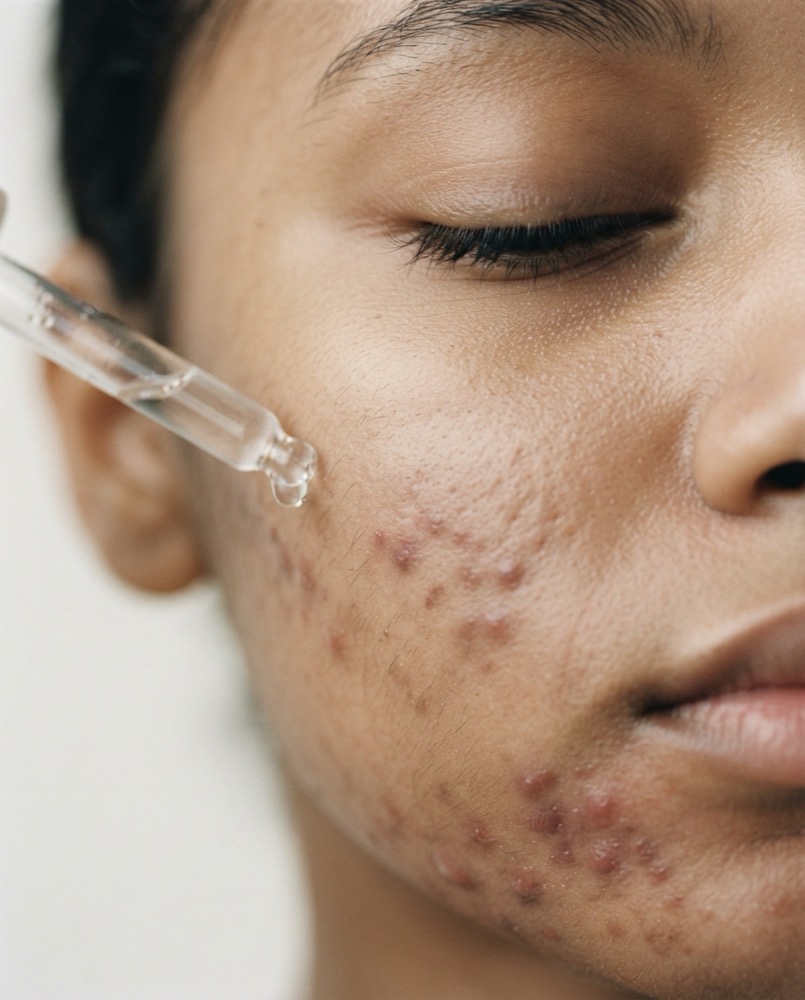
Cystic acne is the most severe form of inflammatory acne. Instead of surface pimples, it produces deep, tender nodules and fluid-filled cysts that sit under the skin, often without ever coming to a head.
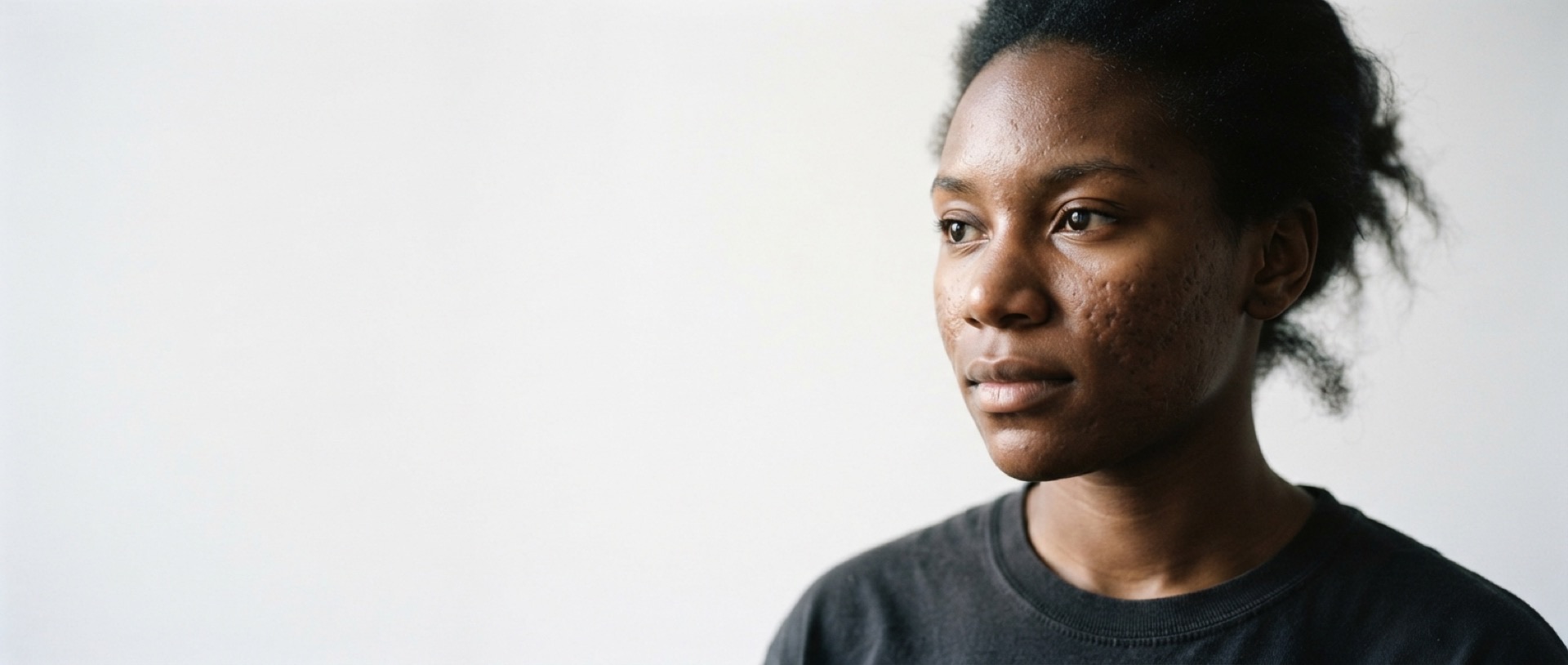
It happens when a blocked follicle ruptures deep in the dermis and spills sebum, keratin and bacteria into surrounding tissue, triggering a strong immune inflammatory response. Because the damage is deep, cystic acne is the type most likely to scar.
What causes cystic acne?
The same four factors behind all acne, amplified: excess sebum, abnormal shedding inside the follicle, overgrowth of Cutibacterium acnes, and inflammation. Androgens drive sebum production, which is why cystic acne often tracks with hormonal cycles, PCOS or puberty.
Genetics strongly influence severity, and stress, high-glycaemic diets, occlusive products and picking at lesions all make it worse. Squeezing a cyst pushes the contents deeper and reliably increases scarring.
What ingredients are best for cystic acne?
Cystic acne genuinely warrants a dermatologist – oral treatment is often needed. Alongside that, topical retinoids are the most useful over-the-counter active, because they work on the plug before it ruptures.
Benzoyl peroxide reduces bacterial load, azelaic acid calms inflammation and post-acne marks, and niacinamide helps redness without irritation. Keep the rest of the routine gentle and barrier-focused – harsh scrubs and drying alcohol make deep lesions angrier. Take our Skin Quiz.