What is DHA in skincare?
DHA in skincare means dihydroxyacetone, a simple three-carbon sugar produced by fermenting glycerin. It is the active ingredient in essentially every self-tanner on the market, and has been used that way since the 1960s.
It should not be confused with docosahexaenoic acid, the omega-3 fatty acid that shares the abbreviation. Reviews of topical dihydroxyacetone cover its chemistry, performance and safety profile in sunless tanning products.
What skin concerns does DHA treat?
DHA does not treat a skin concern so much as change colour. It reacts with amino acids in the outermost dead skin cells through the Maillard reaction – the same browning chemistry as toast – producing pigments called melanoidins.
Because only surface cells are affected, the colour develops over two to four hours and fades in five to seven days as those cells shed. Crucially it offers almost no UV protection, so sunscreen is still required. Some research notes free-radical generation in treated skin, another reason to wear SPF over it.
What ingredients are best paired with DHA?
Exfoliate and moisturise dry areas – knees, elbows, ankles – before applying, since DHA grabs harder where skin is thicker and gives a patchy result otherwise.
Antioxidants such as vitamin C and E are sensible alongside it. Avoid applying it immediately after AHAs or retinoids, which speed up cell turnover and shorten the tan, and keep it away from freshly waxed or shaved skin. Take our Skin Quiz.
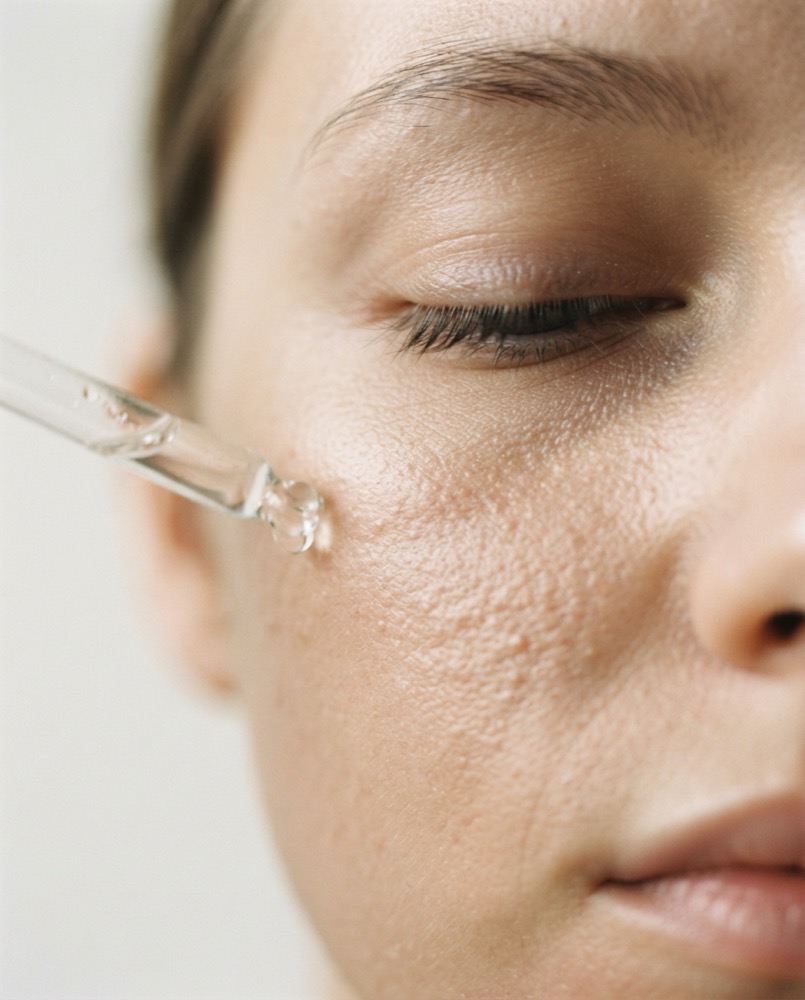
What is bumpy skin?
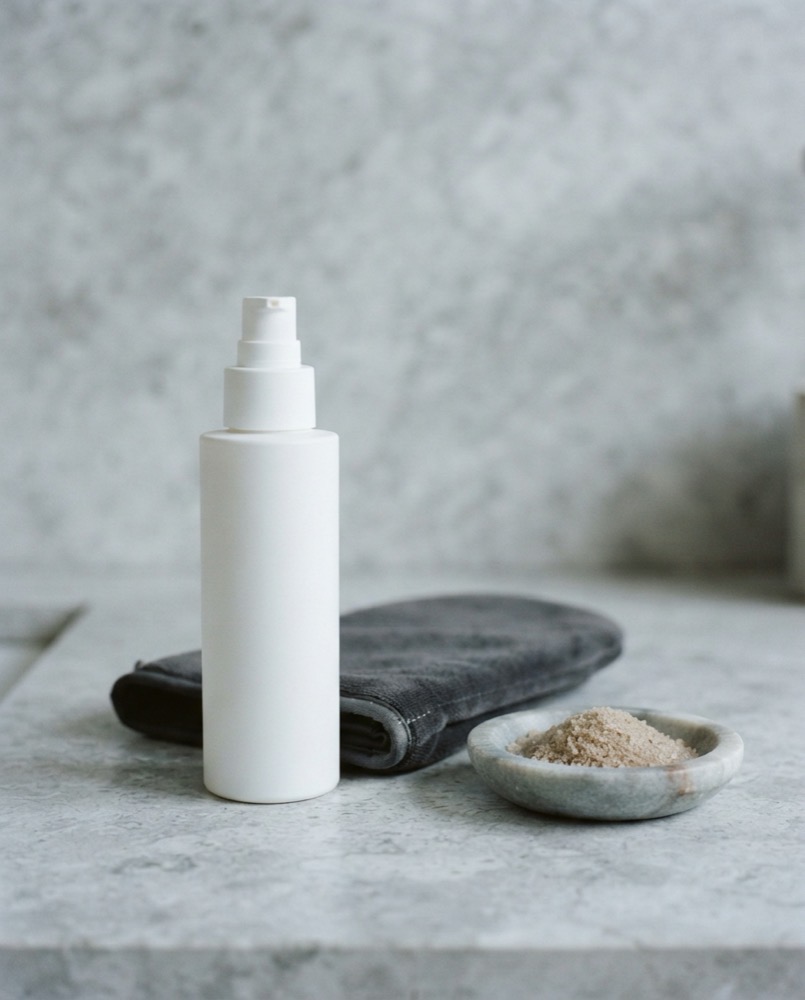
Bumpy skin is a texture problem rather than a single condition. It covers the rough, uneven surface you can feel more than see – most often keratosis pilaris (small hard bumps on the upper arms, thighs and cheeks), closed comedones, milia, or simple build-up of dead cells on the surface.
Keratosis pilaris in particular affects a large share of the population and is harmless, but it makes skin feel like sandpaper and can be stubborn to smooth out.
What causes bumpy skin?
Most bumpy texture comes from keratin plugging the follicle. When dead cells fail to shed cleanly, they collect at the pore opening and form a firm bump – a process closely linked to a weakened permeability barrier and low skin hydration.
Genetics, dry skin, cold weather, eczema and a history of over-scrubbing all make it worse. Aggressive physical exfoliation tends to backfire, inflaming the follicle and thickening the plug.
What ingredients are best for bumpy skin?
Chemical exfoliation works far better than scrubbing. Salicylic acid clears inside the follicle, lactic and glycolic acid loosen surface build-up, and urea both exfoliates and hydrates.
Retinoids normalise how skin sheds over time, while ceramides, niacinamide and hyaluronic acid keep the barrier strong so the plugs stop reforming. Consistency matters more than strength here. Take our Skin Quiz to work out which exfoliant your skin can tolerate.