What is yogurt in skincare?
Yogurt is milk fermented by live bacterial cultures, principally Lactobacillus and Streptococcus species. Applied to skin it brings three things: lactic acid produced during fermentation, milk fats and proteins, and the bacterial cultures themselves.
The lactic acid is the part with the clearest mechanism – it is a genuine alpha-hydroxy acid, though at concentrations far below a formulated exfoliant. The cultures connect it to the growing field of probiotics in dermatology.
What skin concerns does yogurt treat?
As a mask it exfoliates very gently, hydrates, and soothes redness and irritation – useful after sun exposure or on skin that cannot tolerate active products. The fats condition dry skin.
The probiotic angle is genuinely promising but still early: research on probiotic lactic acid bacteria and skin health points to effects on the microbiome, barrier function and inflammation, though most evidence comes from formulated products rather than a tub from the fridge.
What ingredients are best paired with yogurt?
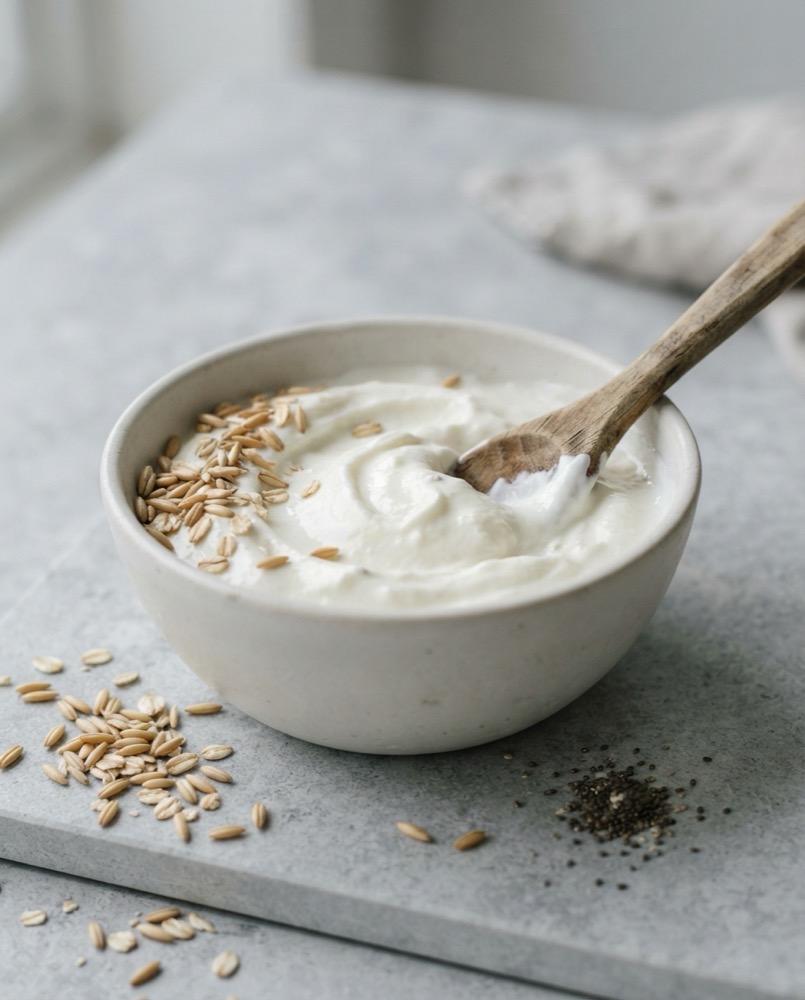
In a DIY mask it is traditionally combined with honey, oatmeal or turmeric, all of which reinforce the soothing effect. Use plain, unsweetened yogurt – sugar and fruit add nothing and can irritate.
For reliable results, formulated lactic acid delivers the exfoliation at a known strength, and niacinamide with ceramides handles barrier and tone. Anyone with a dairy allergy should avoid it, and it should be rinsed rather than left on. Take our Skin Quiz.
What is redness?
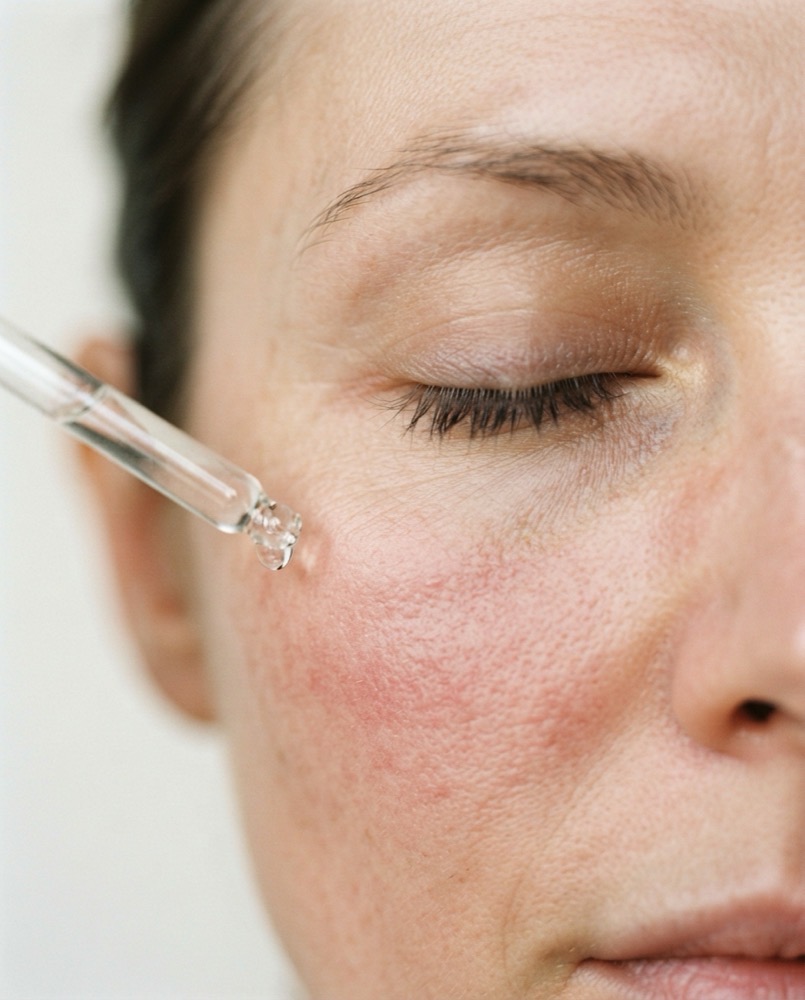
Facial redness is visible dilation of the small blood vessels near the skin’s surface. It ranges from transient flushing that comes and goes, to persistent erythema across the cheeks and nose, to fixed thread veins that stay visible all the time.
Redness is a symptom rather than a diagnosis. It can signal rosacea, irritation, an over-exfoliated barrier, eczema, an allergic reaction or simply reactive skin that responds strongly to heat and stress.
What causes redness?
Most persistent redness traces back to a compromised barrier and heightened nerve sensitivity. When the barrier thins, irritants penetrate more easily and the skin mounts an inflammatory response to things it would normally tolerate.
Common aggravators: over-exfoliation, high-strength actives used too often, fragrance and essential oils, hot water, alcohol, spicy food, sudden temperature change, sun exposure and stress. Trying to treat redness with more actives usually deepens it.
What ingredients are best for redness?
Prioritise calming and rebuilding over correcting. Niacinamide, azelaic acid, centella asiatica, green tea extract, liquorice root, allantoin, bisabolol and colloidal oatmeal all reduce visible inflammation.
Then repair the barrier with ceramides, cholesterol, fatty acids, glycerin, panthenol and squalane, and protect it with a gentle mineral SPF. Strip the routine back to cleanser, moisturiser and sunscreen for a few weeks before reintroducing anything active. Take our Skin Quiz.