

What is tretinoin in skincare?
Tretinoin is all-trans retinoic acid – the biologically active form of vitamin A, and the only one that binds directly to retinoic acid receptors without needing conversion by the skin. It is available on prescription rather than over the counter.
It was the first topical treatment proven to reverse signs of photoageing, and remains the benchmark against which every other anti-ageing active is measured. Common strengths are 0.025%, 0.05% and 0.1%.
What skin concerns does tretinoin treat?
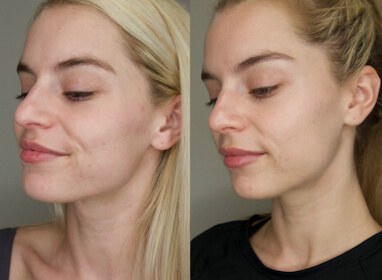
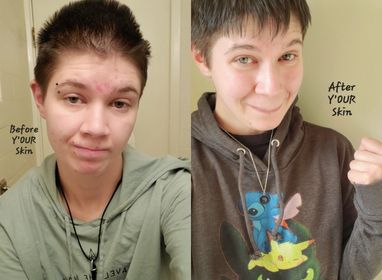
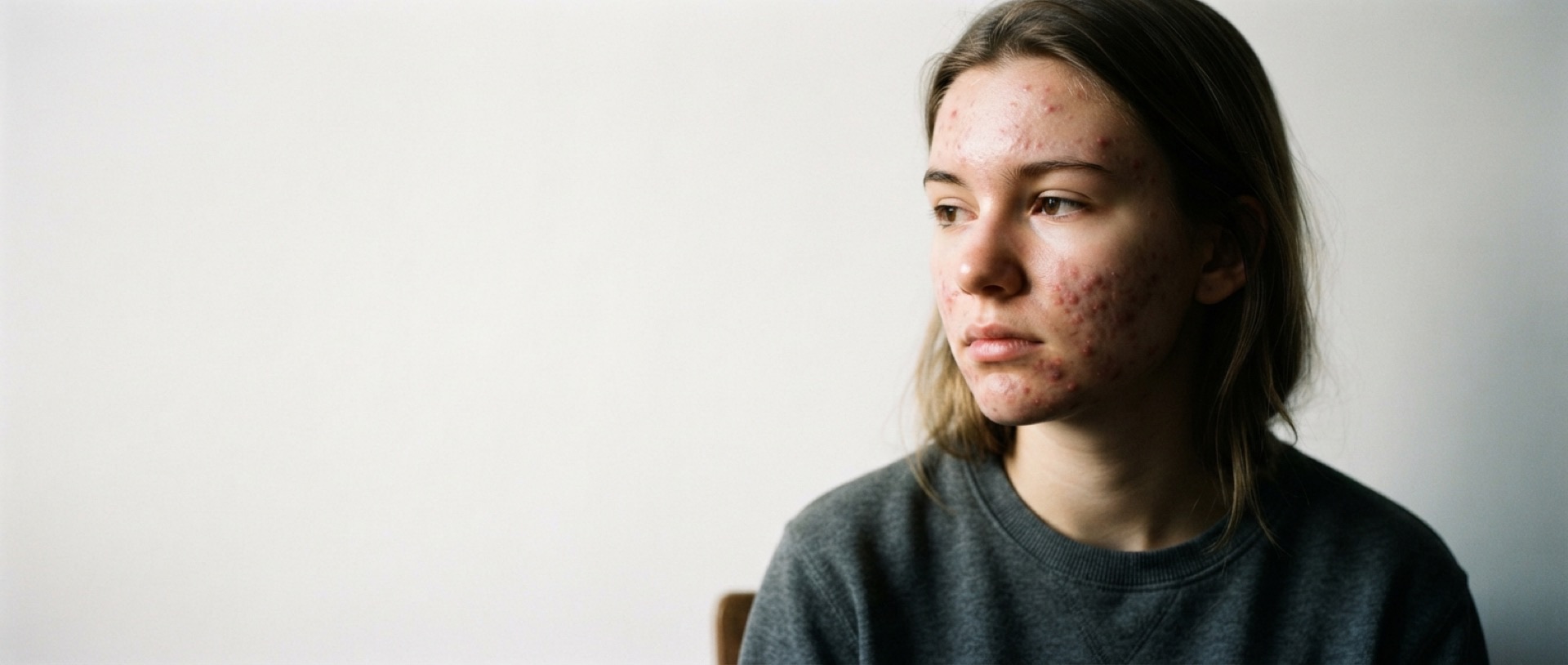
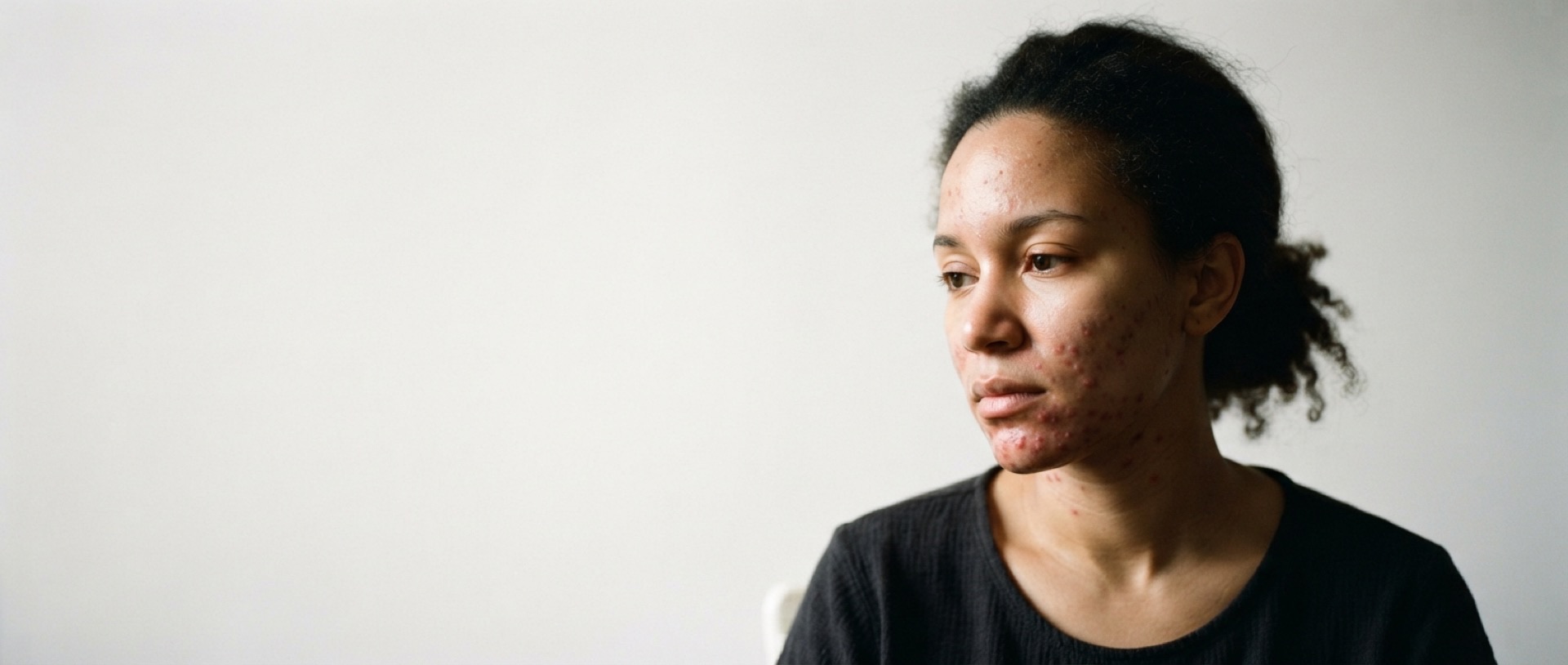
It treats acne at every severity by normalising how follicles shed, and it is extensively documented for photoageing – fine lines, wrinkles, roughness, sallowness and mottled pigmentation.
A vehicle-controlled comparison found 0.025% delivered improvement similar to 0.1% with markedly less irritation, so higher strength is not automatically better.
What ingredients are best paired with tretinoin?
Support the barrier hard: ceramides, hyaluronic acid, niacinamide, panthenol and squalane make the retinisation period far more tolerable. Applying moisturiser before tretinoin (the sandwich method) reduces irritation without eliminating benefit.
Use at night, start two or three times a week, and never skip morning SPF. Do not combine with AHAs, BHAs or benzoyl peroxide in the same application, and do not use it if you are pregnant or trying to conceive. Take our Skin Quiz.
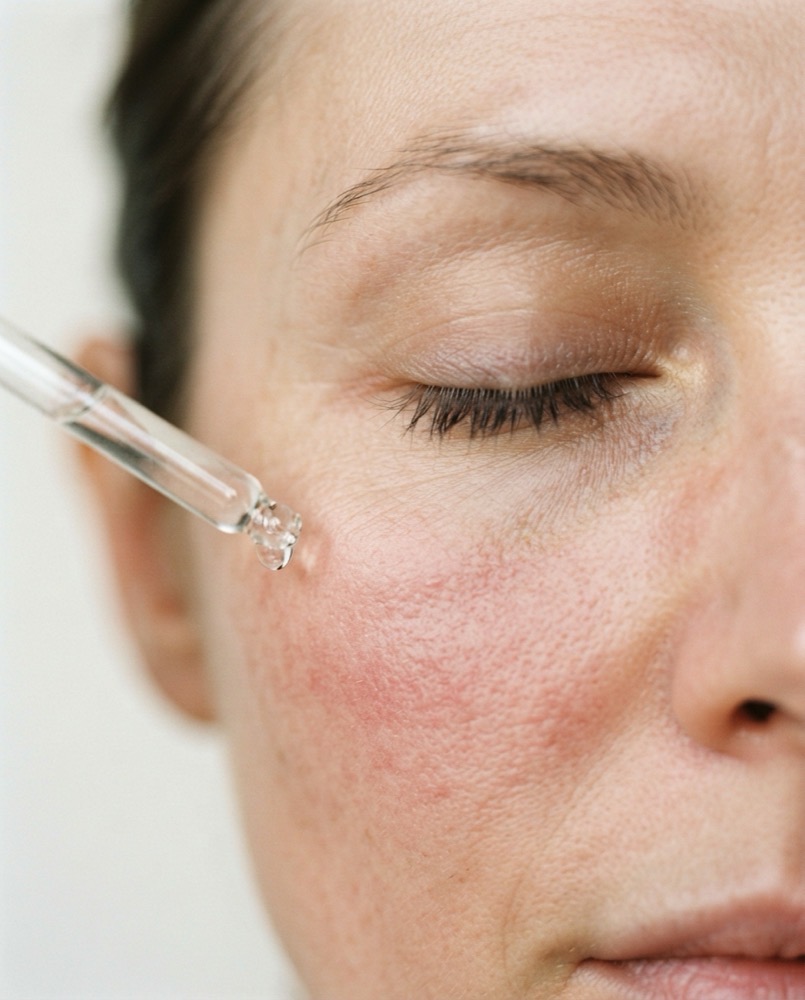
What is redness?
Facial redness is visible dilation of the small blood vessels near the skin’s surface. It ranges from transient flushing that comes and goes, to persistent erythema across the cheeks and nose, to fixed thread veins that stay visible all the time.
Redness is a symptom rather than a diagnosis. It can signal rosacea, irritation, an over-exfoliated barrier, eczema, an allergic reaction or simply reactive skin that responds strongly to heat and stress.
What causes redness?
Most persistent redness traces back to a compromised barrier and heightened nerve sensitivity. When the barrier thins, irritants penetrate more easily and the skin mounts an inflammatory response to things it would normally tolerate.
Common aggravators: over-exfoliation, high-strength actives used too often, fragrance and essential oils, hot water, alcohol, spicy food, sudden temperature change, sun exposure and stress. Trying to treat redness with more actives usually deepens it.
What ingredients are best for redness?
Prioritise calming and rebuilding over correcting. Niacinamide, azelaic acid, centella asiatica, green tea extract, liquorice root, allantoin, bisabolol and colloidal oatmeal all reduce visible inflammation.
Then repair the barrier with ceramides, cholesterol, fatty acids, glycerin, panthenol and squalane, and protect it with a gentle mineral SPF. Strip the routine back to cleanser, moisturiser and sunscreen for a few weeks before reintroducing anything active. Take our Skin Quiz.