

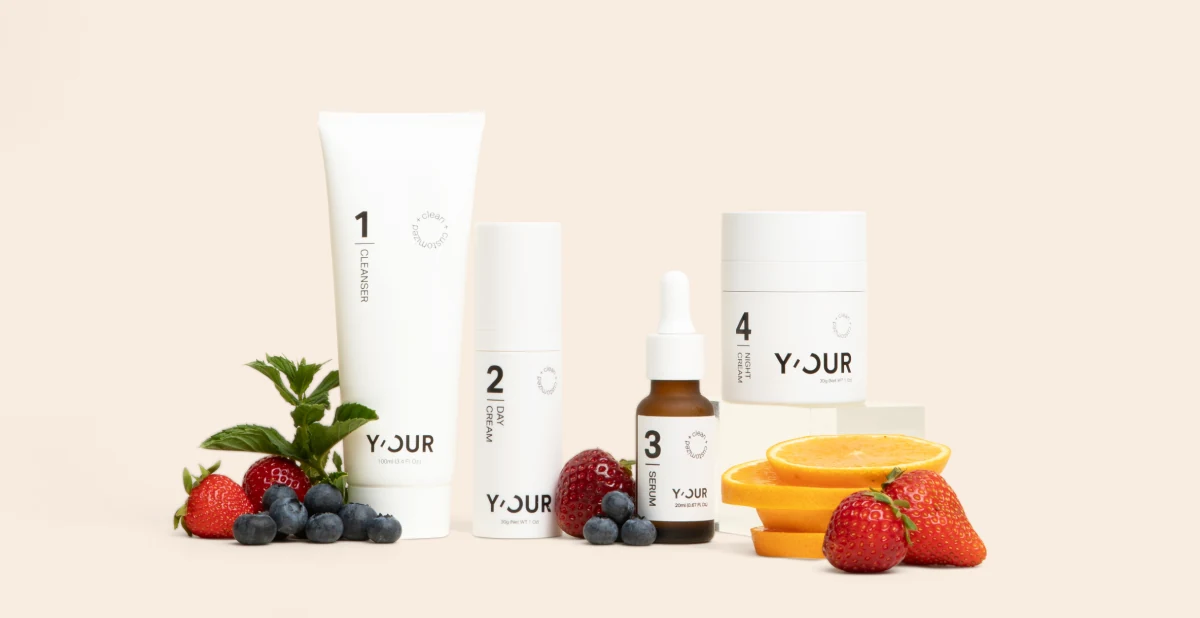
What is coconut oil in skincare?
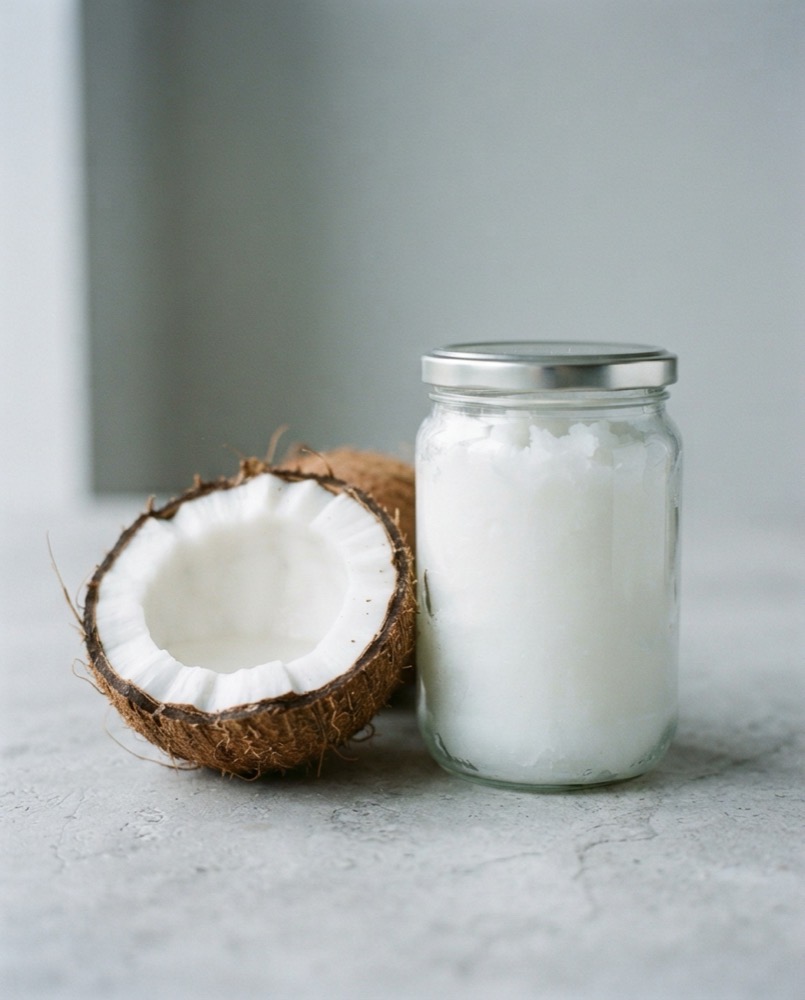
Coconut oil is extracted from the dried flesh of the coconut. It is unusual among plant oils in being mostly saturated fat – around half of it is lauric acid, a medium-chain fatty acid with strong antimicrobial activity.
Virgin coconut oil retains more of its polyphenols than refined. It is solid at room temperature, melts on contact with skin, and is highly occlusive, which is both its main strength and its main problem.
What skin concerns does coconut oil treat?
On dry body skin, hands, feet and cuticles it is an effective occlusive that reduces water loss, and research on plant oils credits it with anti-inflammatory and antibacterial effects, including activity relevant to atopic dermatitis.
On the face it is a different story: coconut oil rates high on the comedogenic scale and reliably causes congestion and breakouts in oily and acne-prone skin. Its lauric acid does inhibit acne bacteria, but the pore-clogging usually outweighs that.
What ingredients are best paired with coconut oil?
Treat it as a body occlusive. Apply it over a humectant such as glycerin or hyaluronic acid on damp skin, or over a ceramide lotion, so it seals rather than sits.
For the face, choose non-comedogenic alternatives: squalane, jojoba, rosehip or grapeseed oil give emollience without the congestion. It is also a good pre-shampoo hair treatment. Take our Skin Quiz.
What are acne scars?
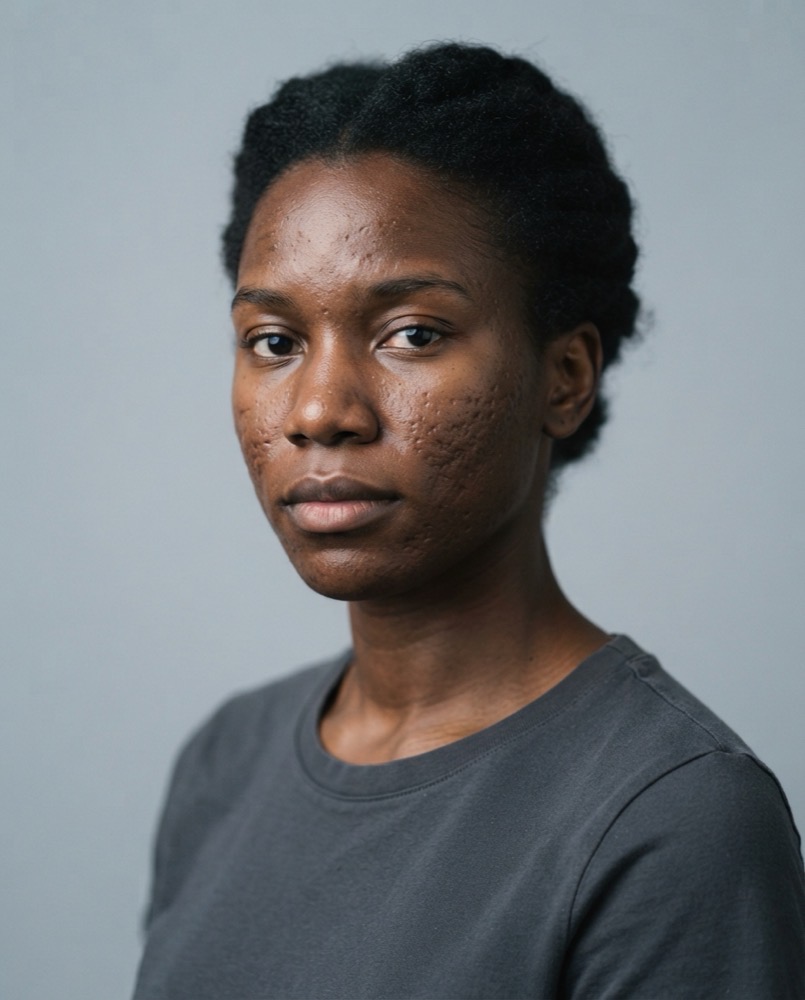
Acne scars are permanent changes in skin texture left behind after inflammatory acne damages the dermis. They fall into two families: atrophic scars, which sit below the surface as ice-pick, boxcar or rolling depressions, and hypertrophic or keloid scars, which sit raised above it.
What most people call scarring is often post-inflammatory hyperpigmentation or erythema – flat brown or red marks with no texture change. Those fade on their own; true atrophic scars do not.
What causes acne scars?
Scarring happens when inflammation reaches deep enough to destroy collagen and the repair process either lays down too little (atrophic) or too much (hypertrophic). Deep nodular and cystic lesions carry the highest risk.
Delaying treatment, picking or squeezing, and prolonged inflammation all increase the odds. Genetics play a large part in who scars and how, which is why two people with identical acne can heal very differently.
What ingredients are best for acne scars?
For flat marks, ingredients that speed turnover and calm pigment work well: retinoids, vitamin C, niacinamide, azelaic acid, alpha arbutin and AHAs, with daily SPF to stop marks darkening again.
For true textural scarring, topicals can soften but not erase – retinoids and peptides help remodel collagen over months, while in-clinic options like microneedling, resurfacing and subcision do the heavy lifting. Preventing new inflammation is the highest-value step. Take our Skin Quiz.