

What is tocopheryl acetate in skincare?
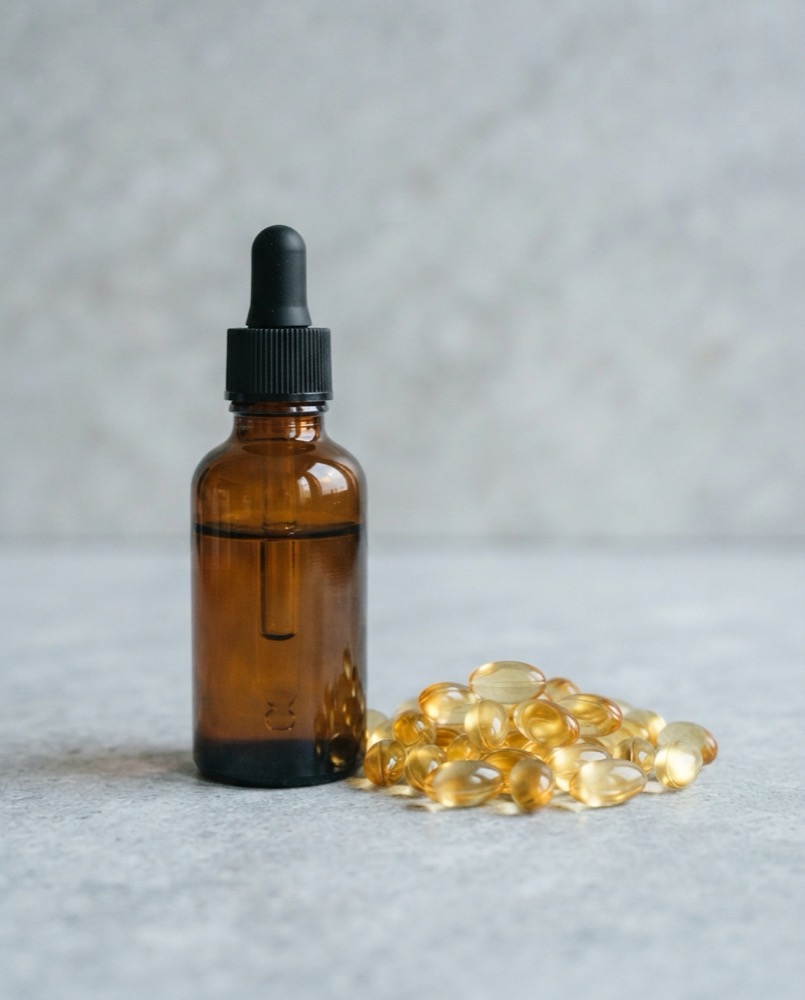
Tocopheryl acetate is vitamin E bound to acetic acid – an ester that is far more stable than free tocopherol and does not oxidise on the shelf. It is the most common form of vitamin E in cosmetic products for exactly that reason.
It is not active as applied. Enzymes in the skin must cleave the acetate group to release alpha-tocopherol, which means the antioxidant effect is slower and somewhat less efficient than the free form.
What skin concerns does tocopheryl acetate treat?
Once converted it does what vitamin E does: scavenges free radicals from UV and pollution, supports the lipid barrier, and softens dry, rough or flaky skin.
Its practical advantage is longevity – a product formulated with tocopheryl acetate keeps working across its full shelf life, where free tocopherol degrades. It is also less likely to cause the contact irritation that neat vitamin E oil sometimes does.
What ingredients are best paired with tocopheryl acetate?
It complements vitamin C and ferulic acid, though serums built for maximum photoprotection generally use free tocopherol because it acts immediately.
For everyday moisturisers it pairs well with ceramides, squalane, glycerin and niacinamide, adding antioxidant support and emollience without instability. Suitable for most skin types, including sensitive. Take our Skin Quiz.
What is acne?
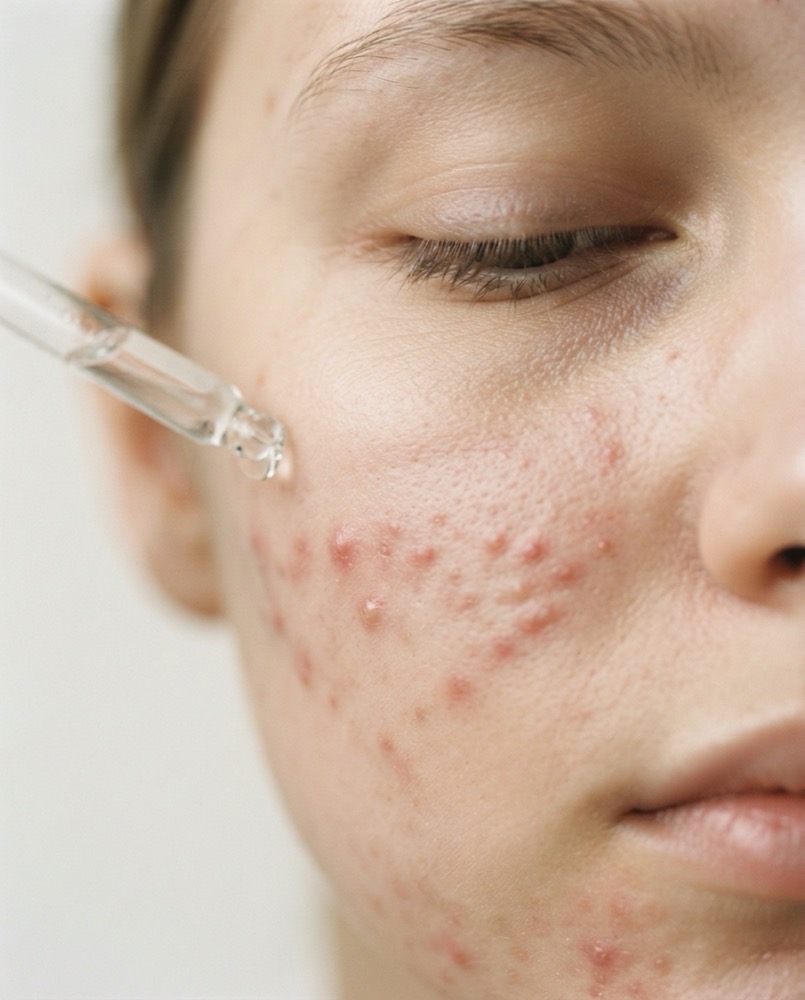
Acne vulgaris is a chronic inflammatory condition of the pilosebaceous unit – the hair follicle and its attached oil gland. It produces blackheads and whiteheads, inflamed papules and pustules, and in severe cases deep nodules and cysts.
It is the most common skin condition worldwide, and it is not a hygiene problem. Acne begins with a microcomedone forming invisibly inside the follicle, weeks before anything shows on the surface.
What causes acne?
Four mechanisms work together: excess sebum driven by androgens, abnormal shedding of cells inside the follicle, overgrowth of Cutibacterium acnes, and the inflammatory response that follows.
Genetics set the baseline. Hormonal fluctuation, stress, high-glycaemic diets, comedogenic products, friction from masks or helmets, and certain medications all push it further. Over-cleansing and picking make it visibly worse.
What ingredients are best for acne?
Salicylic acid clears inside the pore, benzoyl peroxide reduces bacterial load, and retinoids prevent the plug forming in the first place – that last one is the most valuable long-term.
Azelaic acid and niacinamide reduce inflammation and the marks left behind, and sulphur or clay help oily, congested skin. Keep the barrier intact with a gentle cleanser and a light non-comedogenic moisturiser; stripped skin produces more oil. Take our Skin Quiz.