What is shea butter in skincare?
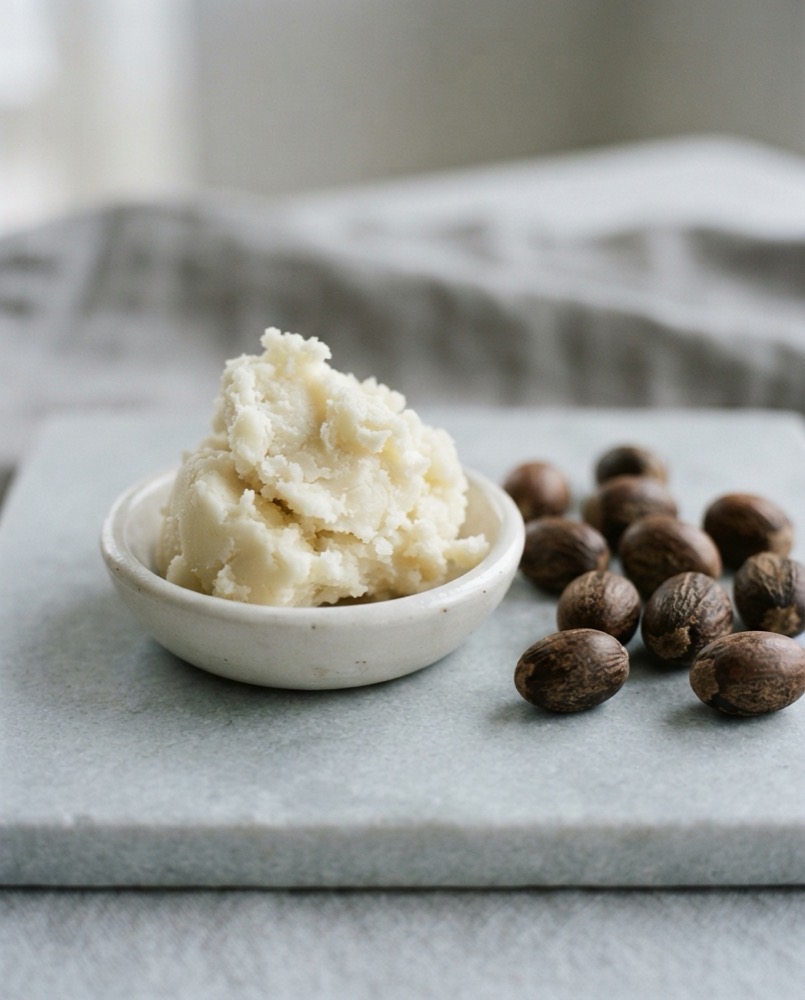
Shea butter is the fat extracted from the nuts of the African shea tree, Vitellaria paradoxa. It is solid at room temperature and melts at body heat, which is why it feels rich going on and sinks in once warmed.
Its value lies in the unsaponifiable fraction – an unusually high 5 to 10% of triterpenes, tocopherols and phytosterols, far more than most plant fats. Those compounds give it anti-inflammatory and barrier-repair activity beyond simple occlusion.
What skin concerns does shea butter treat?
It is a first-line choice for very dry, rough or cracked skin, and for eczema, psoriasis and winter-damaged hands and lips. It reduces water loss substantially while calming inflammation at the same time.
It also soothes after sun exposure, softens scars and stretch marks, and protects skin exposed to cold and wind. Unrefined shea retains more actives but has a nutty smell; refined shea is neutral but less potent.
What ingredients are best paired with shea butter?
Use it as the final occlusive layer over humectants such as glycerin and hyaluronic acid, and alongside ceramides for a complete barrier routine.
It is ideal for buffering the dryness of retinoids and acids on body skin. It sits mid-range on the comedogenic scale, so keep it to the body and dry patches if your face is oily or breakout-prone. Those with tree nut allergies should patch test. Take our Skin Quiz.
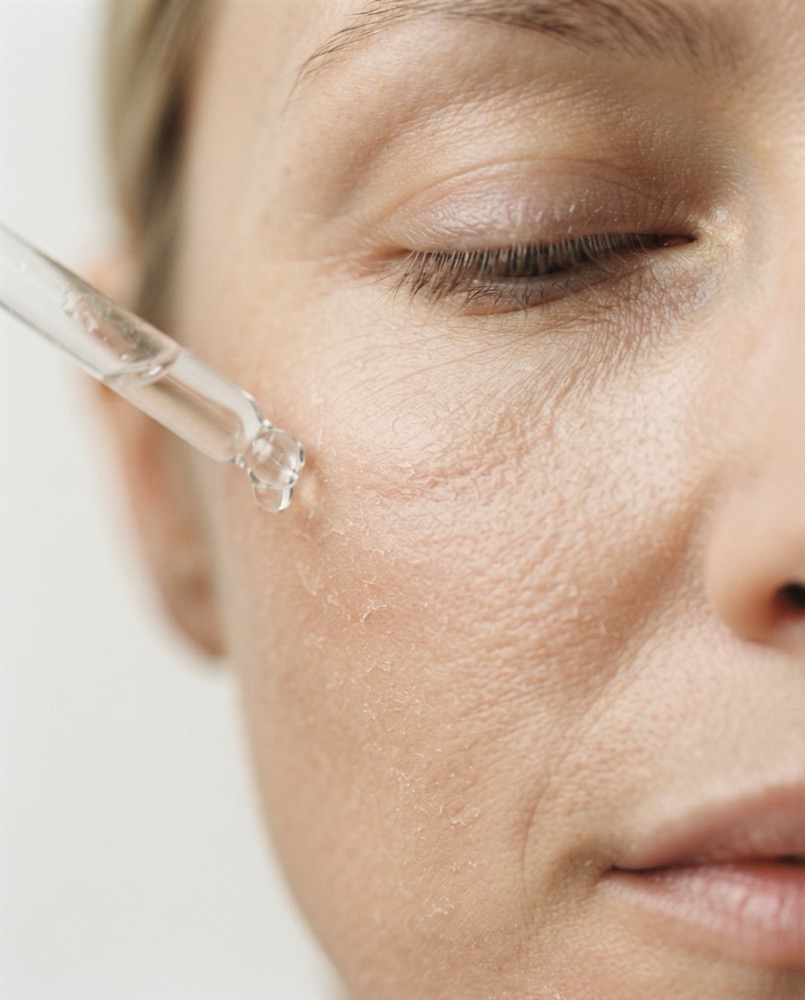
What is dry skin?
Dry skin – xerosis in clinical terms – is a skin type that lacks oil rather than water. It feels tight after cleansing, looks flaky or rough, may show fine cracking, and often reads dull because the uneven surface scatters light.
It is worth separating dry skin from dehydrated skin: dryness is a lack of lipids and is usually lifelong, while dehydration is a temporary lack of water and can happen to oily skin too. Many people have both at once.
What causes dry skin?
At the root is a compromised moisture barrier. When ceramides, cholesterol, fatty acids and natural moisturising factors run low, water evaporates out of the skin faster than it can be replaced.
Age, genetics, cold weather and low humidity, long hot showers, harsh surfactants, over-exfoliation, some medications, and conditions such as eczema and psoriasis all deplete those lipids. Consistent moisturising is the single intervention with the strongest evidence behind it.
What ingredients are best for dry skin?
Rebuild in layers. Humectants such as hyaluronic acid, glycerin, urea and panthenol draw water in; emollients such as squalane, jojoba oil and shea butter smooth the surface; and occlusives seal the whole thing in.
Ceramides, cholesterol and fatty acids are the priority, because they replace exactly what a dry barrier is missing, with niacinamide helping the skin make more of its own. Apply to damp skin, and swap foaming cleansers for cream or oil-based ones. Take our Skin Quiz to find the right combination for your skin.