What is shea butter in skincare?
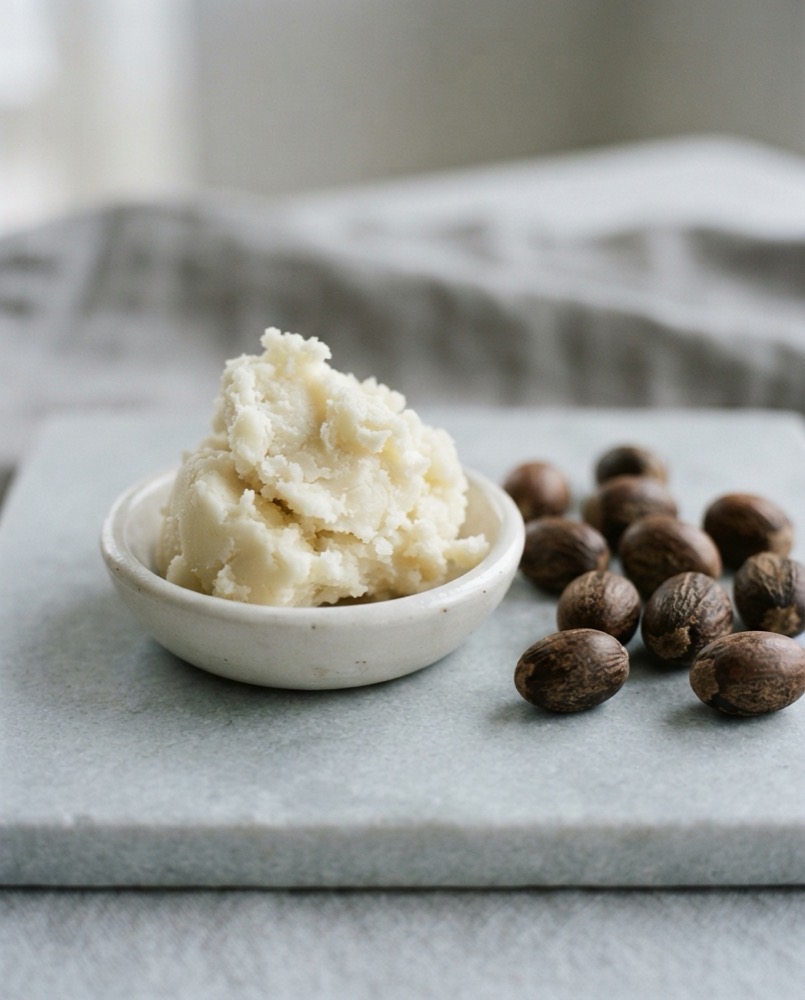
Shea butter is the fat extracted from the nuts of the African shea tree, Vitellaria paradoxa. It is solid at room temperature and melts at body heat, which is why it feels rich going on and sinks in once warmed.
Its value lies in the unsaponifiable fraction – an unusually high 5 to 10% of triterpenes, tocopherols and phytosterols, far more than most plant fats. Those compounds give it anti-inflammatory and barrier-repair activity beyond simple occlusion.
What skin concerns does shea butter treat?
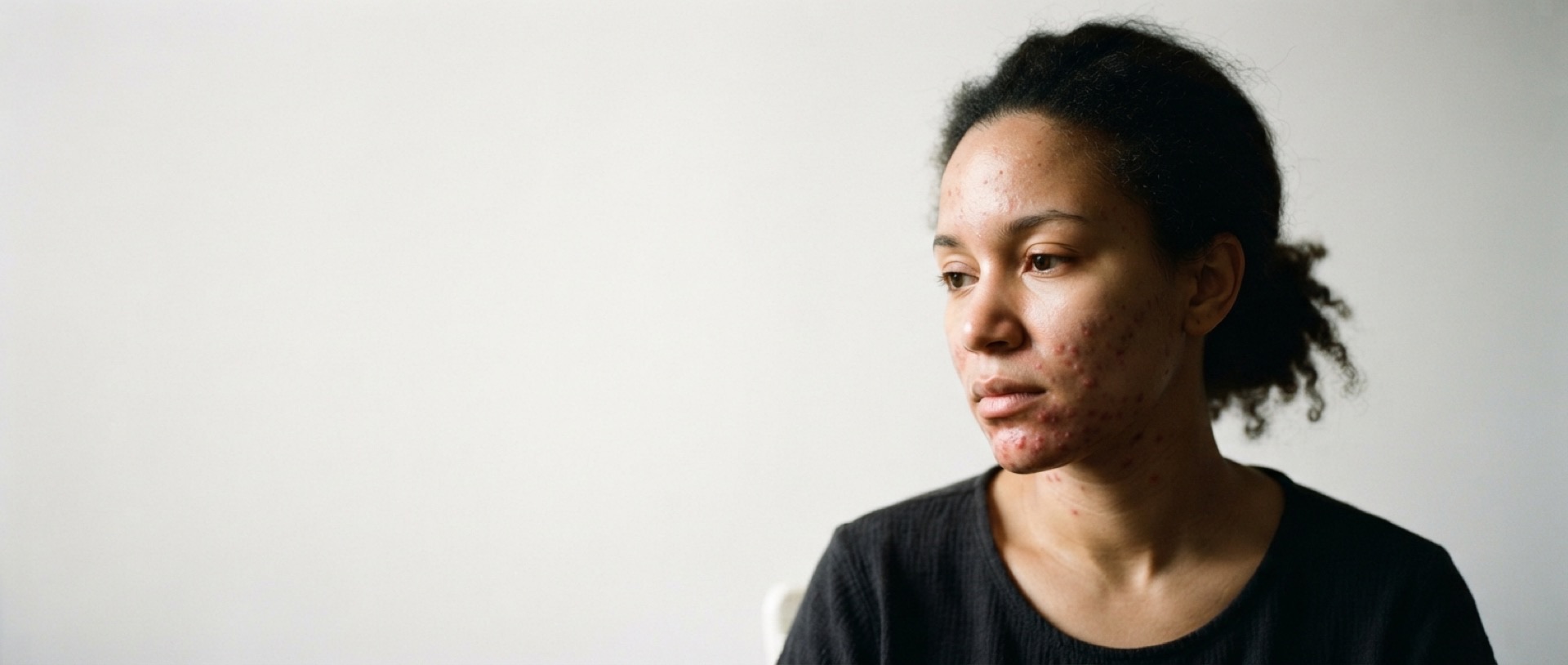
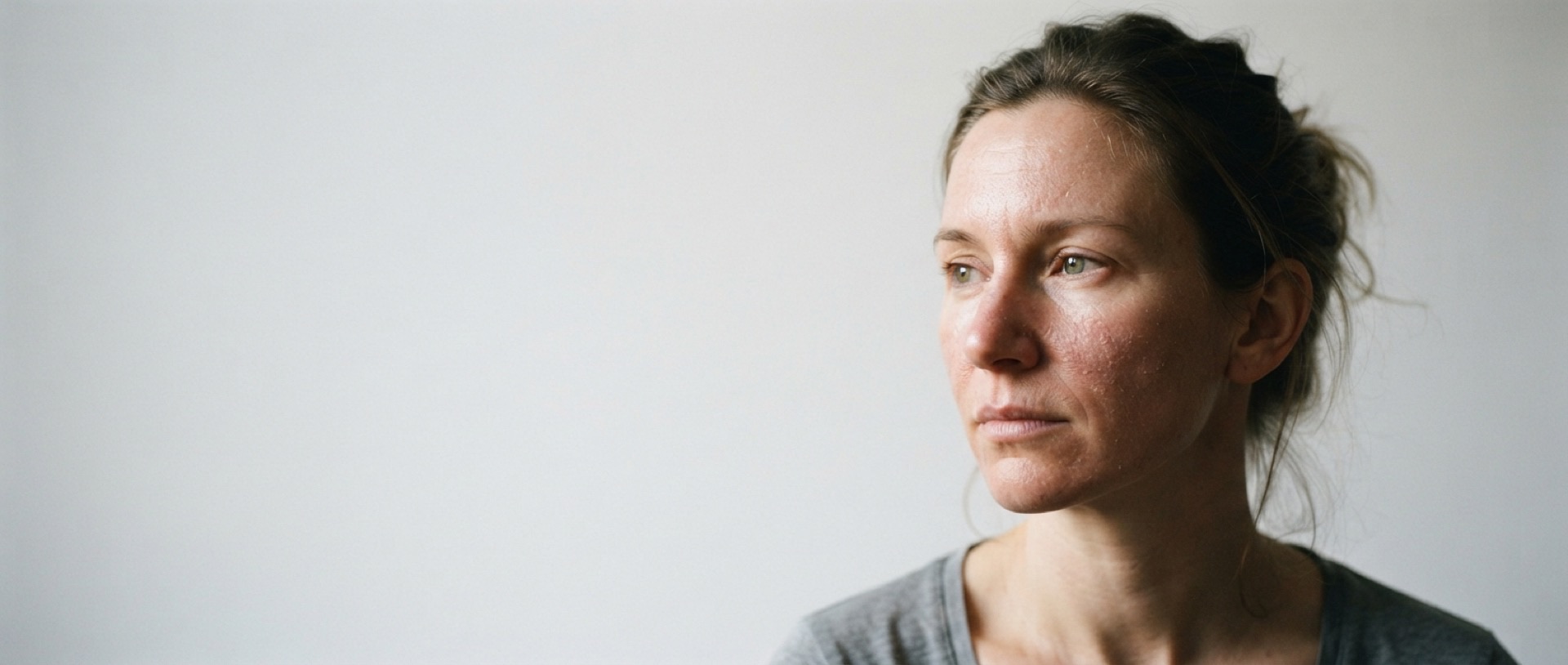
It is a first-line choice for very dry, rough or cracked skin, and for eczema, psoriasis and winter-damaged hands and lips. It reduces water loss substantially while calming inflammation at the same time.
It also soothes after sun exposure, softens scars and stretch marks, and protects skin exposed to cold and wind. Unrefined shea retains more actives but has a nutty smell; refined shea is neutral but less potent.
What ingredients are best paired with shea butter?
Use it as the final occlusive layer over humectants such as glycerin and hyaluronic acid, and alongside ceramides for a complete barrier routine.
It is ideal for buffering the dryness of retinoids and acids on body skin. It sits mid-range on the comedogenic scale, so keep it to the body and dry patches if your face is oily or breakout-prone. Those with tree nut allergies should patch test. Take our Skin Quiz.
What is acne?
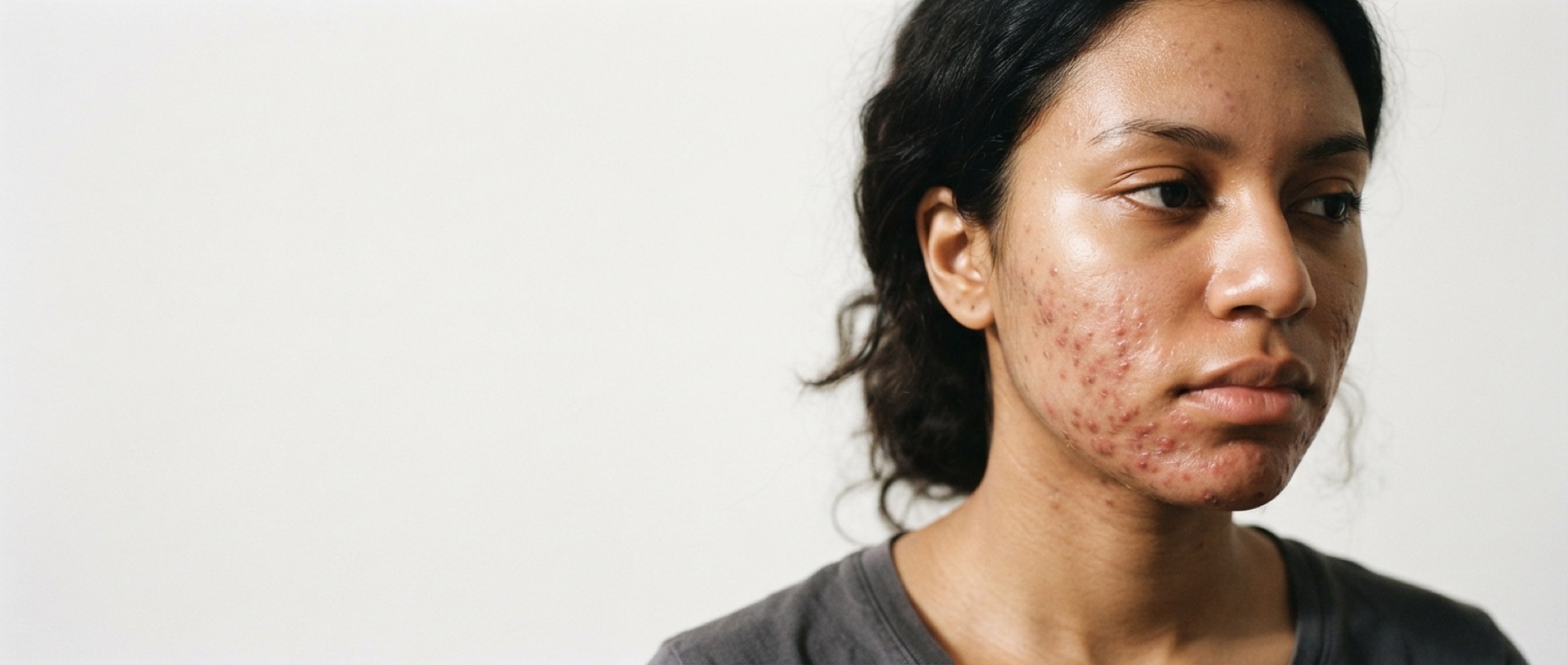
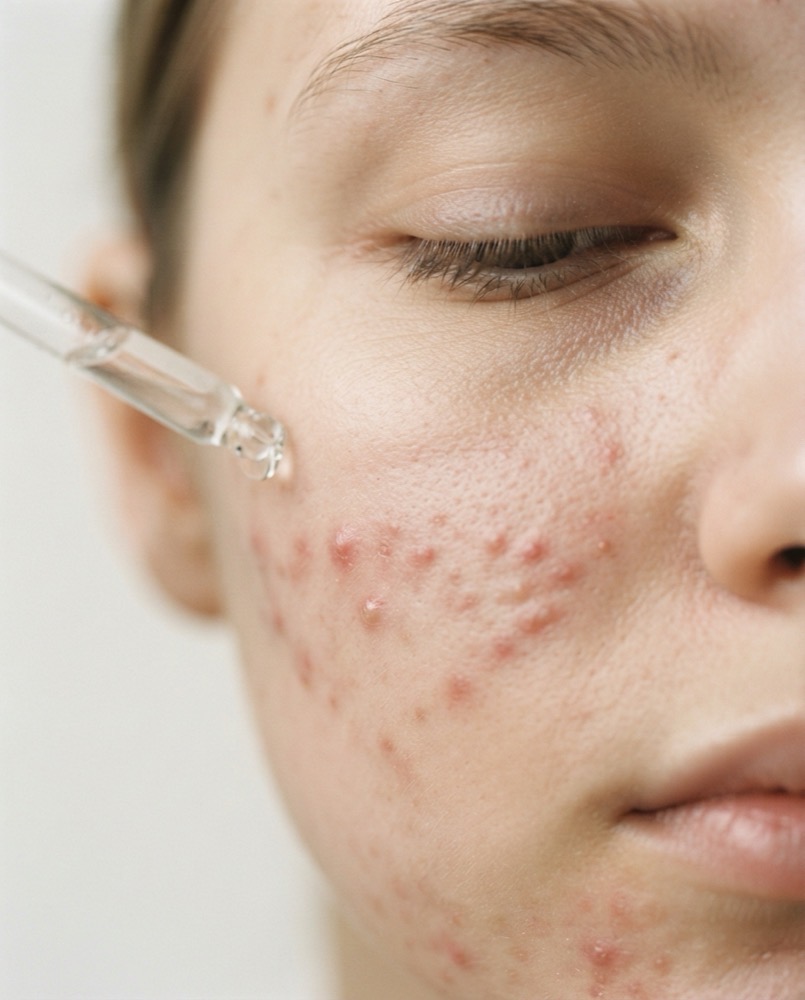
Acne vulgaris is a chronic inflammatory condition of the pilosebaceous unit – the hair follicle and its attached oil gland. It produces blackheads and whiteheads, inflamed papules and pustules, and in severe cases deep nodules and cysts.
It is the most common skin condition worldwide, and it is not a hygiene problem. Acne begins with a microcomedone forming invisibly inside the follicle, weeks before anything shows on the surface.
What causes acne?
Four mechanisms work together: excess sebum driven by androgens, abnormal shedding of cells inside the follicle, overgrowth of Cutibacterium acnes, and the inflammatory response that follows.
Genetics set the baseline. Hormonal fluctuation, stress, high-glycaemic diets, comedogenic products, friction from masks or helmets, and certain medications all push it further. Over-cleansing and picking make it visibly worse.
What ingredients are best for acne?
Salicylic acid clears inside the pore, benzoyl peroxide reduces bacterial load, and retinoids prevent the plug forming in the first place – that last one is the most valuable long-term.
Azelaic acid and niacinamide reduce inflammation and the marks left behind, and sulphur or clay help oily, congested skin. Keep the barrier intact with a gentle cleanser and a light non-comedogenic moisturiser; stripped skin produces more oil. Take our Skin Quiz.