What is sea salt in skincare?
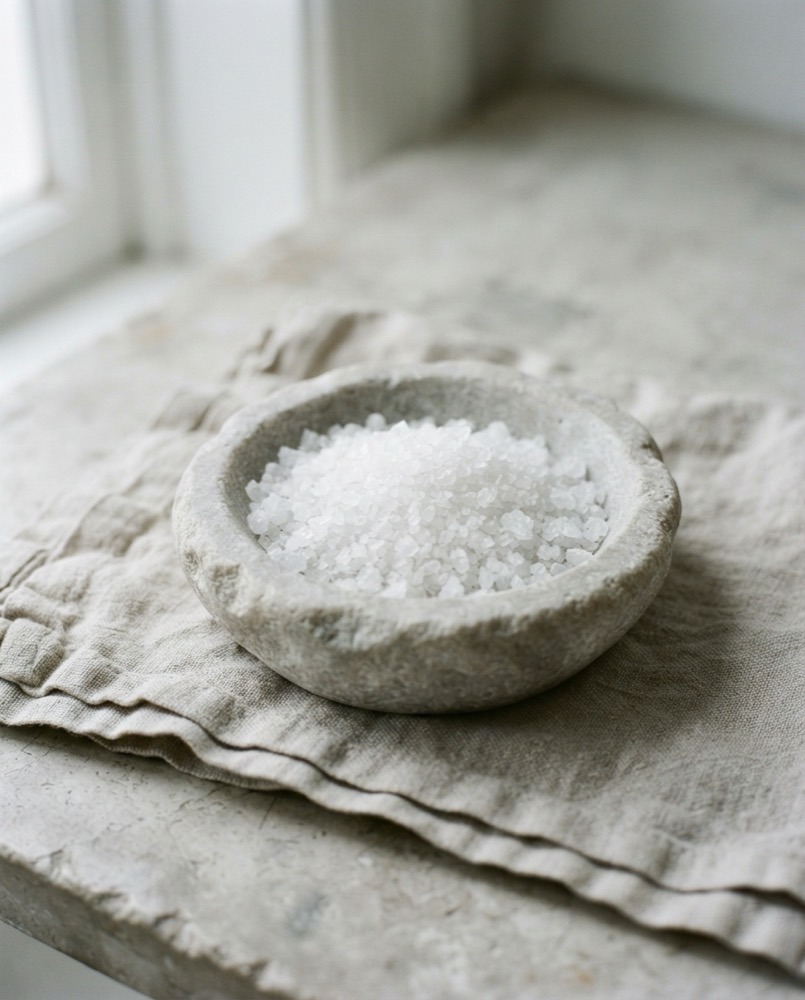
Sea salt is produced by evaporating seawater, which leaves sodium chloride along with trace minerals such as magnesium, potassium, calcium and zinc. It is coarser and less processed than table salt, and mineral content varies by source.
Dead Sea salt and Epsom salt are different products with different compositions – Epsom salt is magnesium sulphate, not a sodium salt at all – so claims made for one do not transfer to the others.
What skin concerns does sea salt treat?
Dissolved in a bath or used as a soak, salt water can ease itching and scaling in conditions such as psoriasis and eczema, and mineral-rich Dead Sea salt baths have been studied for barrier and inflammation benefits.
As a body scrub it removes dead cells effectively. On the face it is a poor choice: the crystals are sharp and irregular, they create micro-tears that let bacteria in, and salt draws water out of the skin, worsening dryness.
What ingredients are best paired with sea salt?
In body scrubs it is blended with oils – jojoba, almond, coconut – which cushion the abrasion and replace the moisture the salt pulls out. Always follow a salt scrub or soak with a moisturiser.
For facial exfoliation, lactic acid, glycolic acid or salicylic acid do the job without the mechanical damage. Never use a salt scrub on broken, sunburnt or freshly shaved skin. Take our Skin Quiz.
What is adult acne?
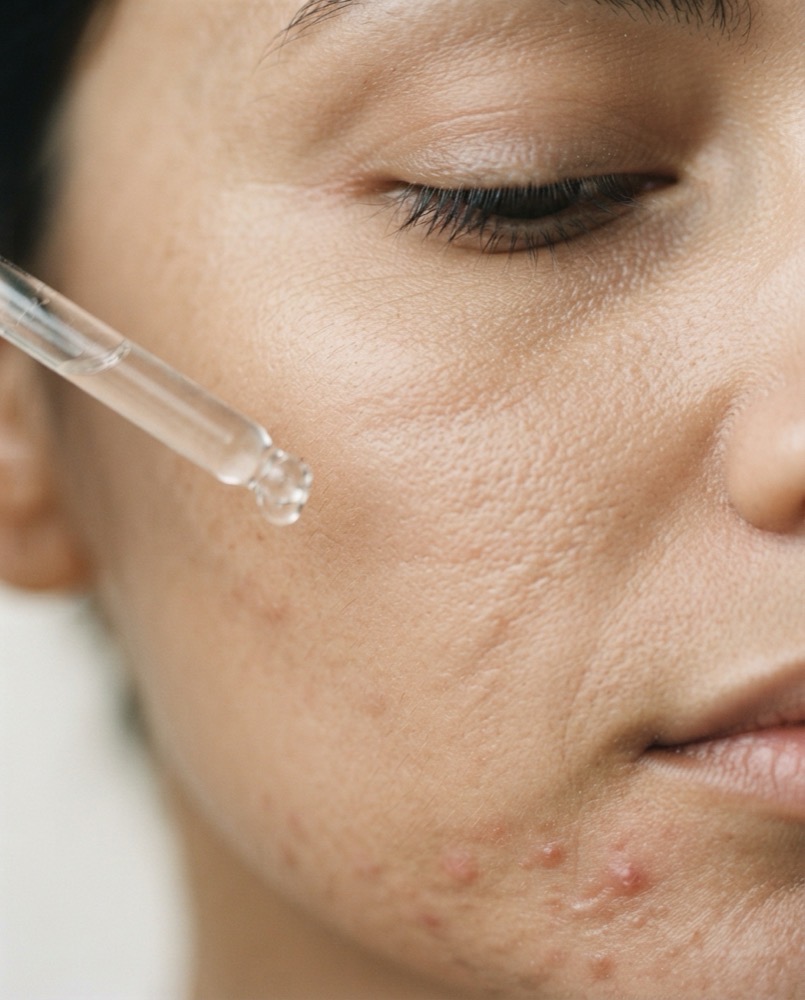
Adult acne is acne that persists past the teenage years or appears for the first time in your twenties, thirties or later. It affects a substantial share of adults, and disproportionately women.
It tends to look different from teenage acne: fewer widespread blackheads, more deep tender lesions along the jawline, chin and neck, often on skin that is simultaneously dry, sensitive or already showing early signs of ageing.
What causes adult acne?
Hormonal fluctuation is the leading driver – menstrual cycles, coming off or starting contraception, pregnancy, perimenopause and conditions such as PCOS all shift androgen activity and sebum output.
Stress and cortisol, sleep debt, high-glycaemic diets, comedogenic makeup and skincare, friction, and certain medications compound it. Adult skin also heals more slowly, so marks linger longer than they did at nineteen.
What ingredients are best for adult acne?
The challenge is treating acne without wrecking a barrier that is also ageing. Retinoids do double duty here, clearing follicles and stimulating collagen at the same time.
Azelaic acid is excellent for adult skin because it handles lesions, redness and post-acne marks together. Add salicylic acid used sparingly, niacinamide to regulate oil and calm inflammation, and ceramides plus hyaluronic acid to keep hydration up. Skip harsh benzoyl peroxide concentrations and scrubs. Take our Skin Quiz.