What is retinol in skincare?
Retinol is an over-the-counter retinoid – a vitamin A derivative that your skin converts into retinoic acid, the biologically active form. Once converted, it binds to receptors in the skin and signals cells to turn over faster, ramp up collagen production and normalise the way pores shed keratin.
That combination is why retinol is one of the most studied active ingredients in modern skincare, and why it sits at the centre of most dermatologist-designed anti-ageing routines. Strengths typically range from 0.01% to 1%, and lower concentrations used consistently often outperform high strengths used sporadically.
What skin concerns does retinol treat?
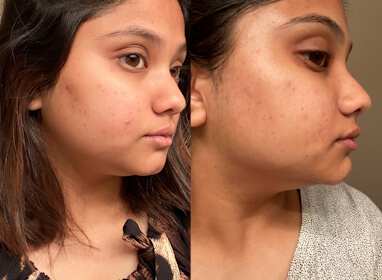
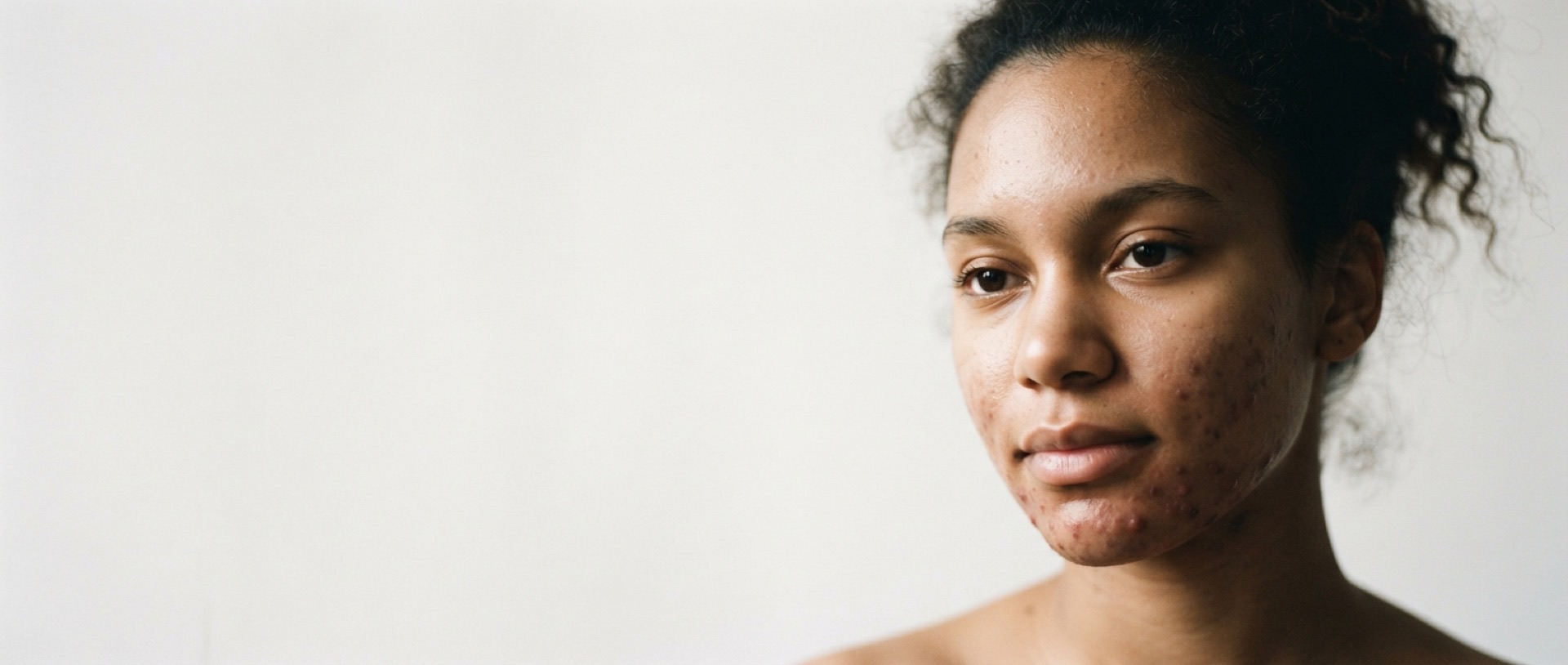
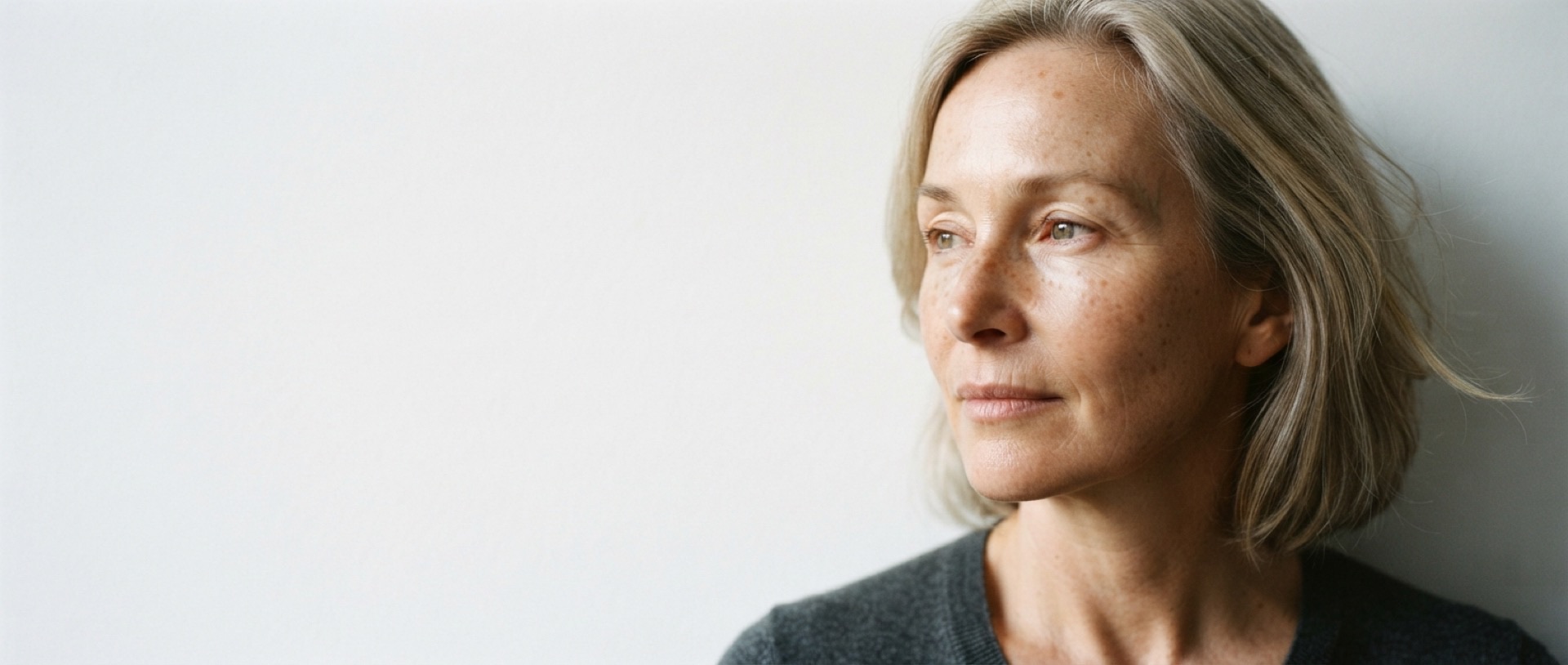
Retinol works on several concerns at once: fine lines and wrinkles, loss of firmness and crepey texture, uneven skin tone, dark spots and post-acne pigmentation, enlarged or congested pores, and both hormonal and adult acne.
Because it acts on cell turnover rather than on the skin’s surface, results build over weeks rather than days. Most people see visible change between eight and twelve weeks of consistent nightly use, with continued improvement well beyond that.
What ingredients are best paired with retinol?
Pair retinol with hydrating, barrier-supporting ingredients – hyaluronic acid, ceramides, niacinamide, squalane and peptides – to offset the dryness, flaking and redness that can come with faster turnover. Apply it at night, and wear a broad-spectrum sunscreen every morning, since retinol makes skin more sun-sensitive.
Avoid layering it in the same step as AHAs, BHAs or benzoyl peroxide unless your routine has been built to handle it, and introduce it two or three nights a week before going nightly. Want to know which retinol strength suits your skin? Take our Skin Quiz.
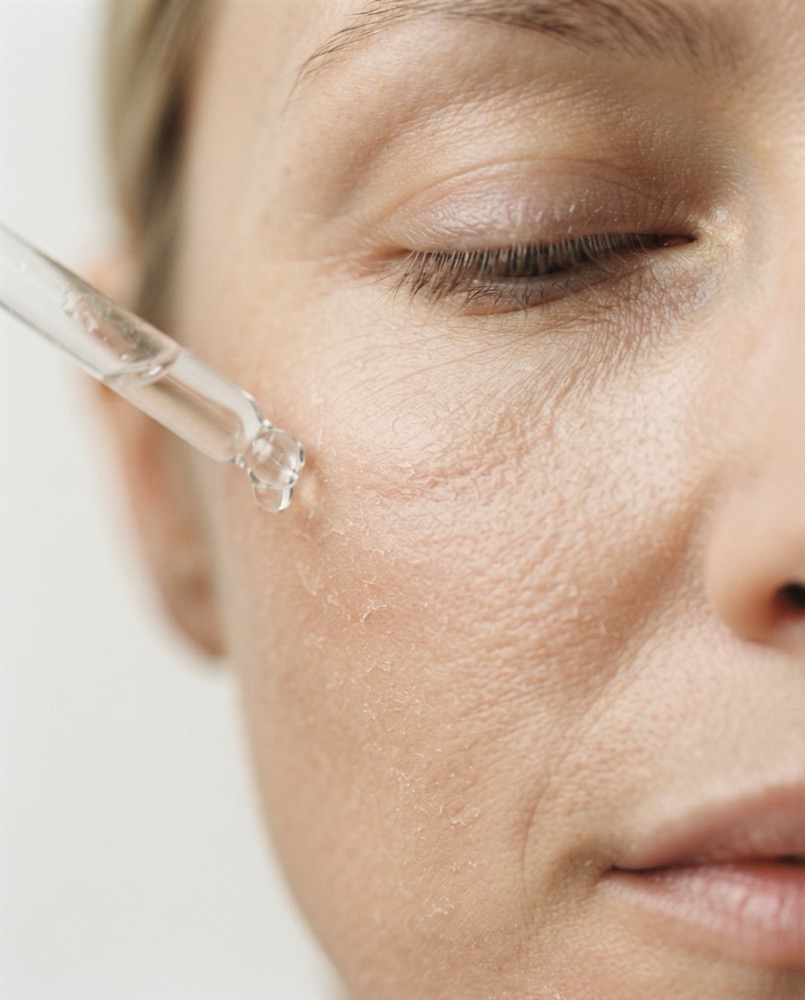
What is dry skin?
Dry skin – xerosis in clinical terms – is a skin type that lacks oil rather than water. It feels tight after cleansing, looks flaky or rough, may show fine cracking, and often reads dull because the uneven surface scatters light.
It is worth separating dry skin from dehydrated skin: dryness is a lack of lipids and is usually lifelong, while dehydration is a temporary lack of water and can happen to oily skin too. Many people have both at once.
What causes dry skin?
At the root is a compromised moisture barrier. When ceramides, cholesterol, fatty acids and natural moisturising factors run low, water evaporates out of the skin faster than it can be replaced.
Age, genetics, cold weather and low humidity, long hot showers, harsh surfactants, over-exfoliation, some medications, and conditions such as eczema and psoriasis all deplete those lipids. Consistent moisturising is the single intervention with the strongest evidence behind it.
What ingredients are best for dry skin?
Rebuild in layers. Humectants such as hyaluronic acid, glycerin, urea and panthenol draw water in; emollients such as squalane, jojoba oil and shea butter smooth the surface; and occlusives seal the whole thing in.
Ceramides, cholesterol and fatty acids are the priority, because they replace exactly what a dry barrier is missing, with niacinamide helping the skin make more of its own. Apply to damp skin, and swap foaming cleansers for cream or oil-based ones. Take our Skin Quiz to find the right combination for your skin.