What is retinoic acid in skincare?
Retinoic acid is the form of vitamin A that skin cells can actually use. Every other retinoid – retinyl palmitate, retinol, retinaldehyde – is a precursor that the skin must convert into retinoic acid through one or more enzymatic steps before anything happens.
Applied topically as tretinoin it is a prescription medicine, because it bypasses conversion entirely and binds straight to retinoic acid receptors in the cell nucleus.
What skin concerns does retinoic acid treat?
By binding those receptors it changes gene expression: keratinocytes mature and shed normally, sebaceous activity drops, melanin distribution evens out, and dermal fibroblasts produce more collagen.
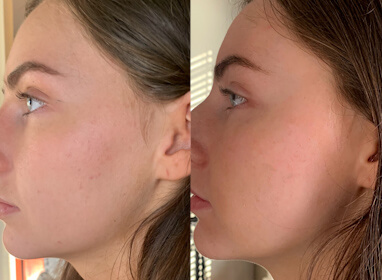
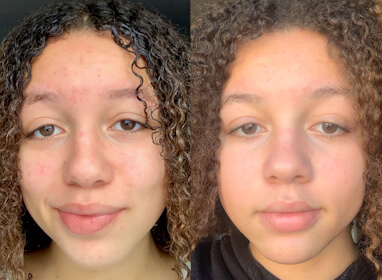
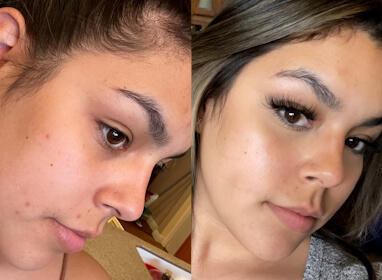
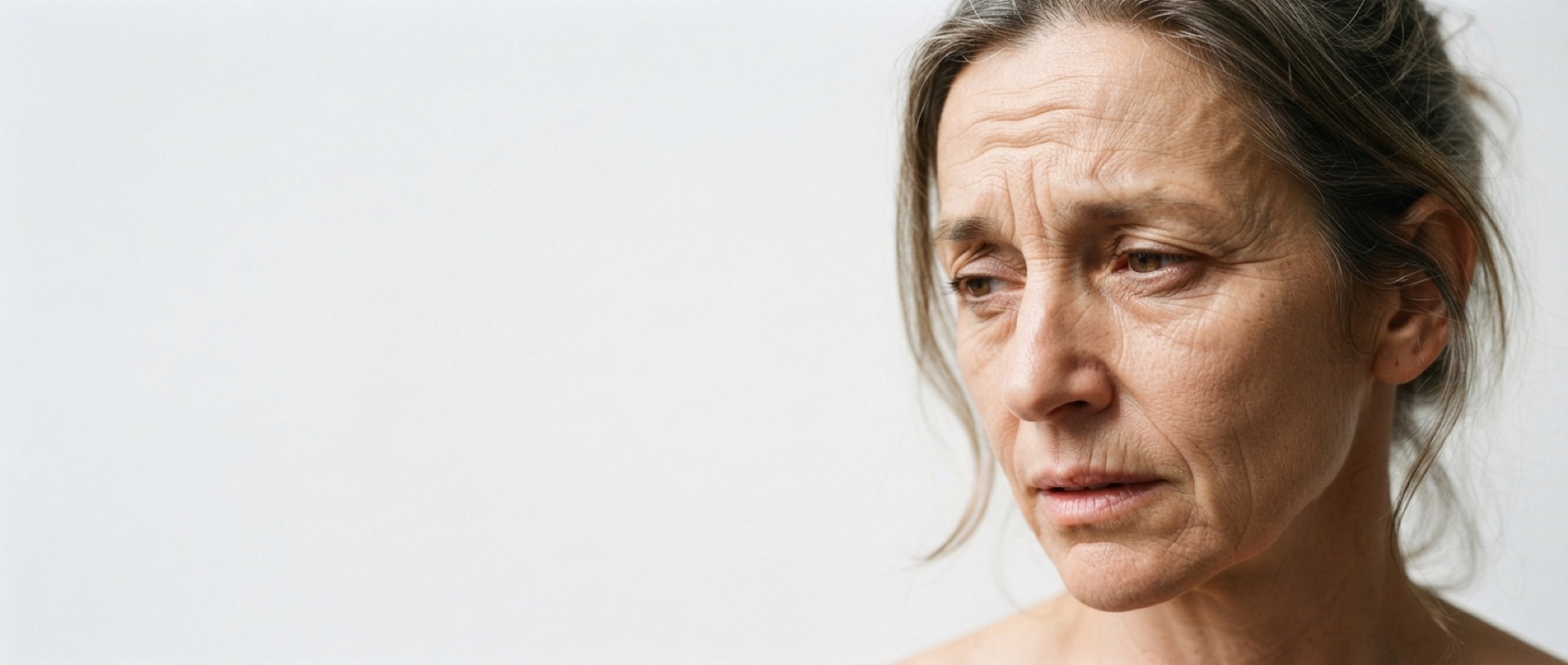
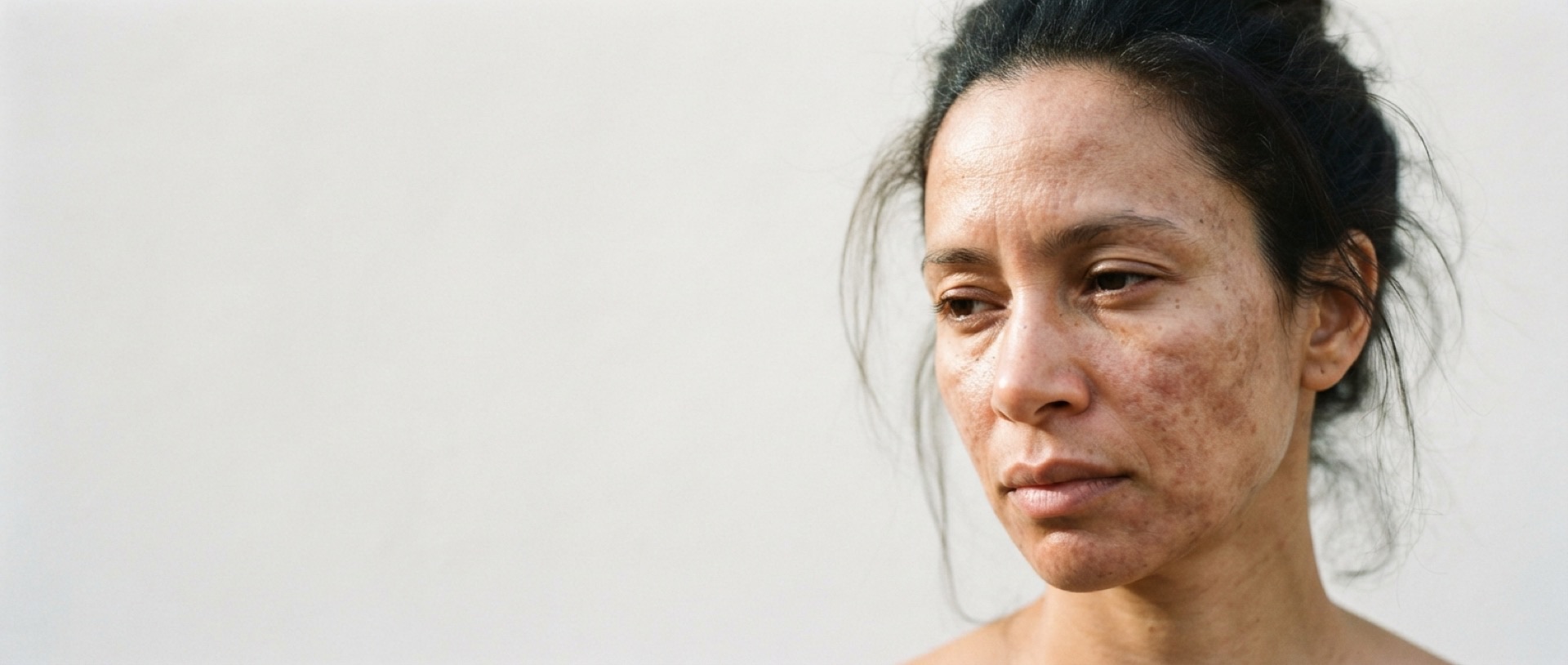
That translates to measurable improvement in acne, fine lines, wrinkles, rough texture, enlarged pores and mottled pigmentation – the widest evidence base of any topical active.
What ingredients are best paired with retinoic acid?
Because it is the most potent form, barrier support matters most: ceramides, hyaluronic acid, niacinamide, panthenol and squalane. Build up slowly rather than pushing through irritation.
Keep it to night use, apply broad-spectrum SPF every morning, and avoid layering with AHAs, BHAs or benzoyl peroxide in the same step. It is contraindicated in pregnancy. If your skin cannot tolerate it, retinaldehyde or a well-formulated retinol is the sensible step down. Take our Skin Quiz.
What is acne?
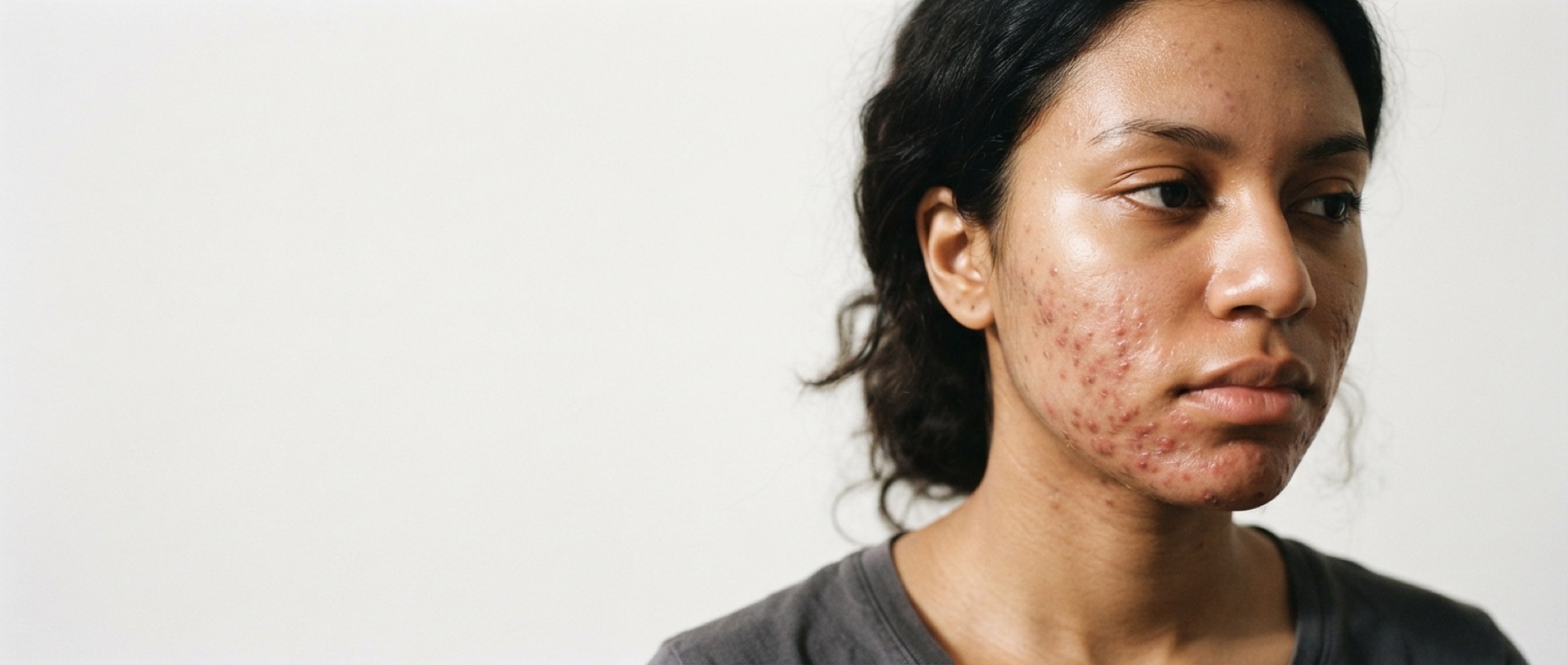
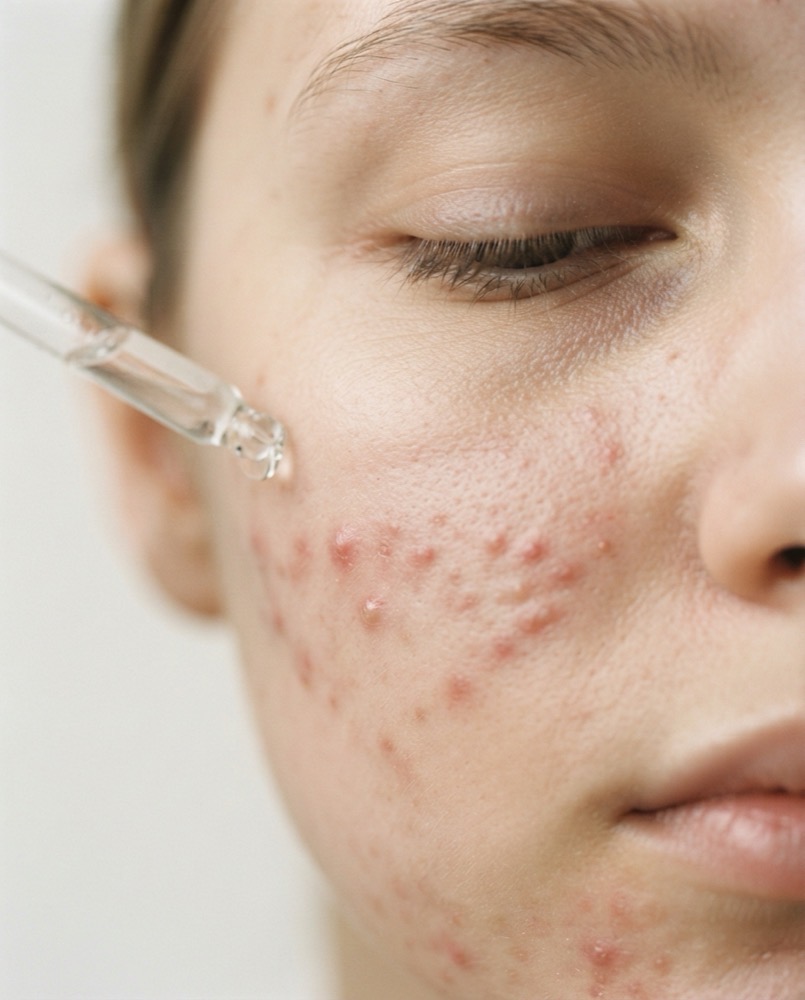
Acne vulgaris is a chronic inflammatory condition of the pilosebaceous unit – the hair follicle and its attached oil gland. It produces blackheads and whiteheads, inflamed papules and pustules, and in severe cases deep nodules and cysts.
It is the most common skin condition worldwide, and it is not a hygiene problem. Acne begins with a microcomedone forming invisibly inside the follicle, weeks before anything shows on the surface.
What causes acne?
Four mechanisms work together: excess sebum driven by androgens, abnormal shedding of cells inside the follicle, overgrowth of Cutibacterium acnes, and the inflammatory response that follows.
Genetics set the baseline. Hormonal fluctuation, stress, high-glycaemic diets, comedogenic products, friction from masks or helmets, and certain medications all push it further. Over-cleansing and picking make it visibly worse.
What ingredients are best for acne?
Salicylic acid clears inside the pore, benzoyl peroxide reduces bacterial load, and retinoids prevent the plug forming in the first place – that last one is the most valuable long-term.
Azelaic acid and niacinamide reduce inflammation and the marks left behind, and sulphur or clay help oily, congested skin. Keep the barrier intact with a gentle cleanser and a light non-comedogenic moisturiser; stripped skin produces more oil. Take our Skin Quiz.