What is resveratrol in skincare?
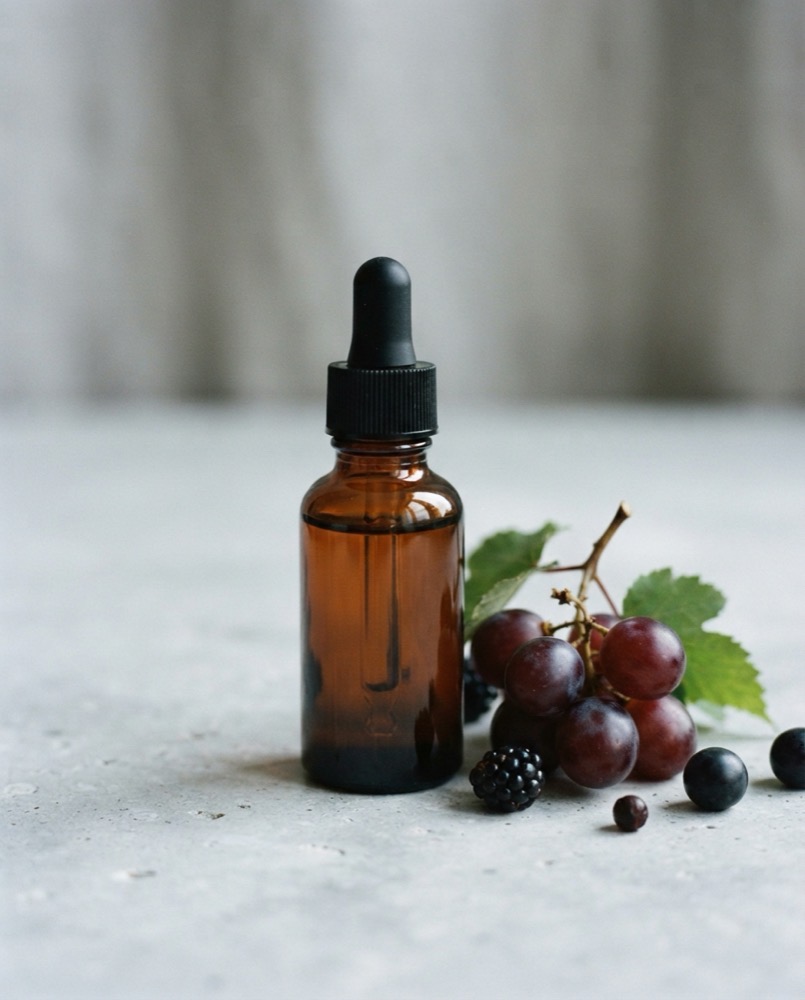
Resveratrol is a polyphenol produced by plants under stress – grapes, berries, peanuts and Japanese knotweed are the main sources. Red wine is where most people first hear of it, though the amounts there are trivial.
In skincare it functions as a potent antioxidant and an activator of sirtuins, proteins involved in cellular repair and longevity. It is well characterised for antioxidant, anti-inflammatory and antimicrobial activity on skin.
What skin concerns does resveratrol treat?
It targets the visible results of oxidative stress: dullness, uneven tone, fine lines and loss of firmness. Its anti-inflammatory action also helps redness and reactive skin.
It has documented skin-lightening activity through tyrosinase inhibition, making it a gentler option for pigmentation than many actives, and a small trial found it reduced facial redness when combined with green tea and caffeine.
What ingredients are best paired with resveratrol?
It is typically used at night, where it complements the repair work skin does while you sleep, and it pairs particularly well with vitamin E, ferulic acid, niacinamide and green tea.
It also combines safely with retinoids and peptides. Because it is unstable in light, look for opaque, air-tight packaging – a resveratrol serum in a clear dropper bottle is not doing much. Take our Skin Quiz.
What is dullness?
Healthy skin reflects light evenly, which is what reads as bright and glowing. Dull skin does the opposite – it looks flat, ashy, grey or sallow, and makeup tends to sit on top of it rather than blend in.
Dullness is not a condition in itself but a visible symptom: a build-up of dead cells, dehydration and reduced microcirculation that together stop light bouncing cleanly off the skin’s surface.
What causes dull skin?
Dead skin cells that do not shed naturally accumulate on the surface and scatter light unevenly. Dehydration flattens those cells so they no longer sit plump against one another, and overly dry skin can damage the follicles and slow the production of collagen and sebum – all of which make the complexion look duller or ashier.
Lifestyle and environment do the rest. Sun exposure, pollution, smoking, alcohol, broken sleep and stress all accelerate free-radical damage, while cell turnover naturally slows with age, so skin loses the reflectivity it had in your twenties.
What ingredients are best for dullness?
Brightening dull skin comes down to three things: gentle exfoliation, consistent hydration and antioxidant protection. Vitamin C, alpha-hydroxy acids such as glycolic and lactic acid, salicylic acid, retinol and vitamin A, niacinamide, green tea extract, coenzyme Q10 and rosehip oil all help resurface, even out tone and defend against free radicals.
Hyaluronic acid and hydrolysed collagen plump the skin so it reflects more light, and daily broad-spectrum sunscreen prevents the UV damage that dulls the complexion in the first place. Take our Skin Quiz to find the exact combination your skin needs.