What is honey in skincare?
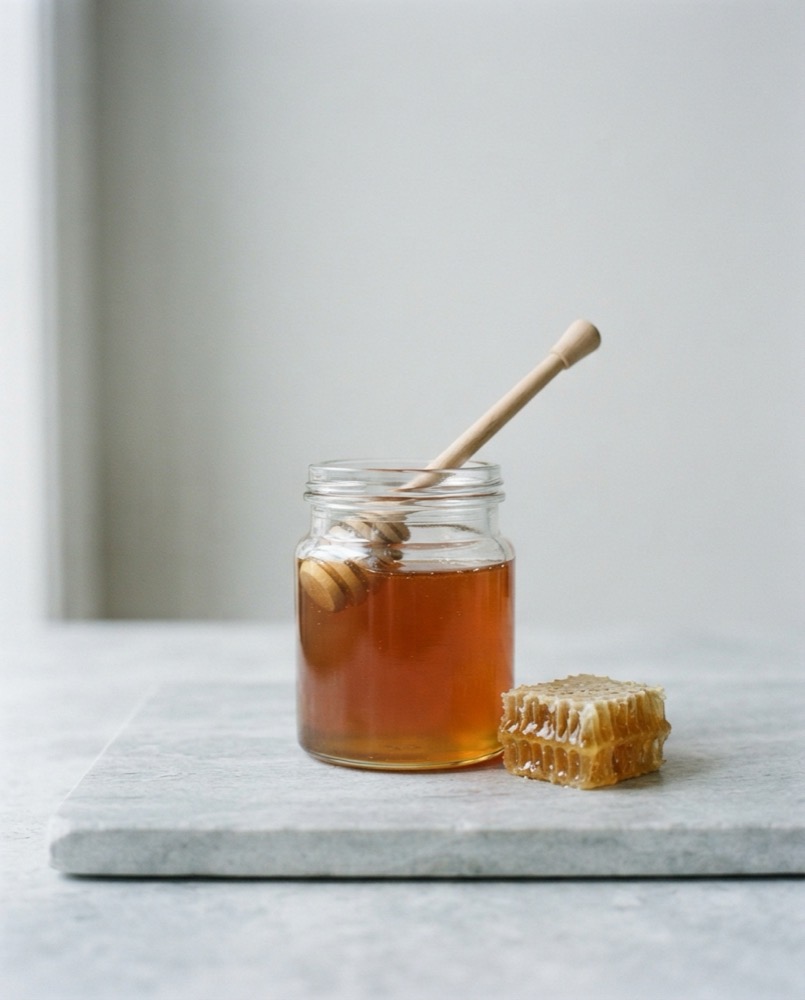
Honey is a supersaturated sugar solution made by bees from floral nectar, containing glucose, fructose, organic acids, enzymes, amino acids and polyphenols. Its low water activity and its glucose oxidase enzyme – which slowly releases hydrogen peroxide – give it genuine antibacterial activity.
Manuka honey is distinguished by methylglyoxal, a non-peroxide antibacterial compound. Medical-grade honey is sterilised and standardised, which matters if the purpose is treatment rather than comfort.
What skin concerns does honey treat?
It is a humectant, so it hydrates; an anti-inflammatory, so it calms redness; and an antibacterial, which is why it helps mild acne. Its enzymes provide very gentle exfoliation.
Its strongest evidence is in wound healing, where medical-grade honey is used clinically on burns, ulcers and slow-healing wounds. For everyday skincare it suits dry, sensitive, irritated and mildly breakout-prone skin.
What ingredients are best paired with honey?
In masks it is traditionally combined with oatmeal, yogurt or turmeric, all of which reinforce its soothing effect. In formulated products it sits well with glycerin, hyaluronic acid, aloe vera and niacinamide.
Rinse it off rather than leaving it on, since raw honey is sticky and its sugars attract dust. Avoid raw honey on broken skin – use a medical-grade product if you are treating a wound. Take our Skin Quiz.
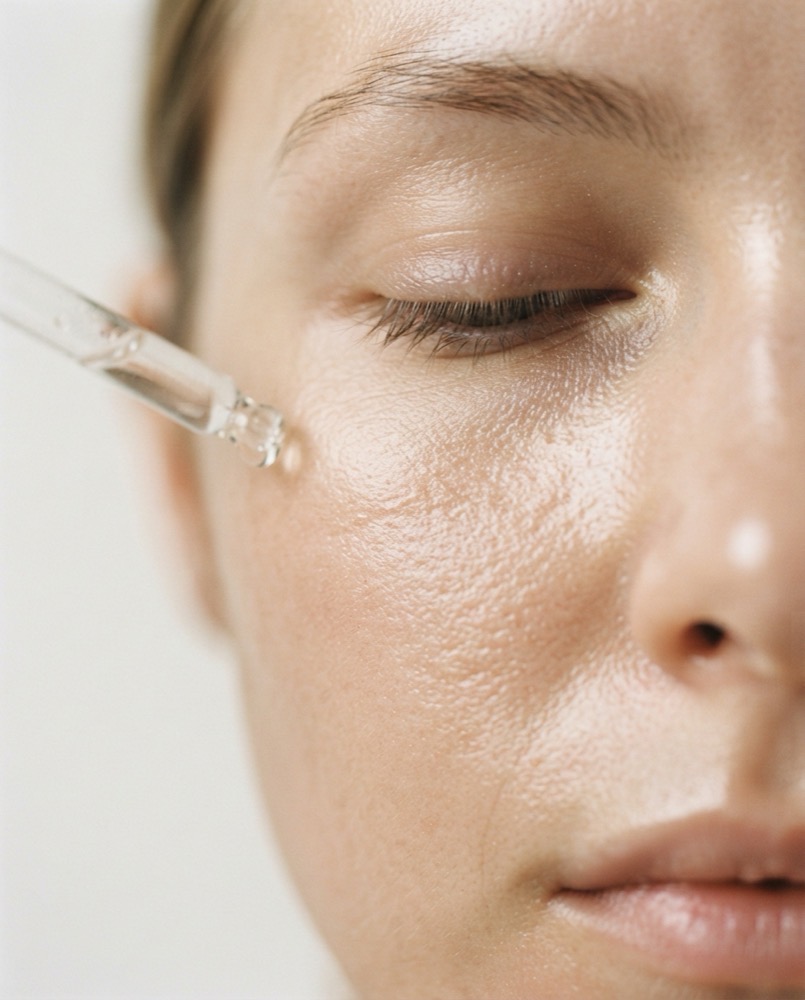
What is oily skin?
Oily skin is a skin type in which the sebaceous glands produce more sebum than the skin needs. It shows up as shine through the T-zone within hours of cleansing, visibly enlarged pores, makeup that slides or separates, and a tendency towards blackheads and congestion.
Sebum itself is not the enemy – it carries vitamin E to the surface, keeps the barrier supple and helps oily skin hold its structure, which is why it often shows fine lines later than dry skin does.
What causes oily skin?
Genetics and androgen activity are the primary drivers of how much sebum your glands produce. Heat and humidity increase output measurably, and hormonal fluctuations across the monthly cycle, pregnancy or puberty shift it again.
Stress, a diet heavy in refined carbohydrates, and – counter-intuitively – over-cleansing with stripping foams or alcohol-based toners all push oil production up, because skin compensates for a damaged barrier by making more.
What ingredients are best for oily skin?
Look for salicylic acid (a BHA that is oil-soluble, so it clears inside the pore), niacinamide and zinc to regulate sebum, clay such as bentonite or kaolin for weekly absorption, and retinoids or azelaic acid to normalise how pores shed.
Do not skip hydration: lightweight humectants like hyaluronic acid and glycerin, plus non-comedogenic squalane or jojoba oil, keep the barrier intact so the skin stops over-compensating. Skip heavy occlusive balms and high-alcohol toners. Take our Skin Quiz to get the balance right for your skin.