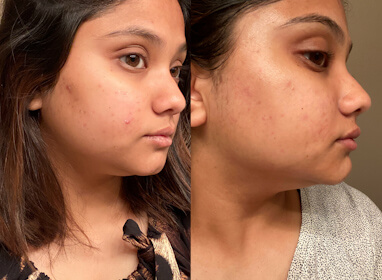
What is lavender in skincare?
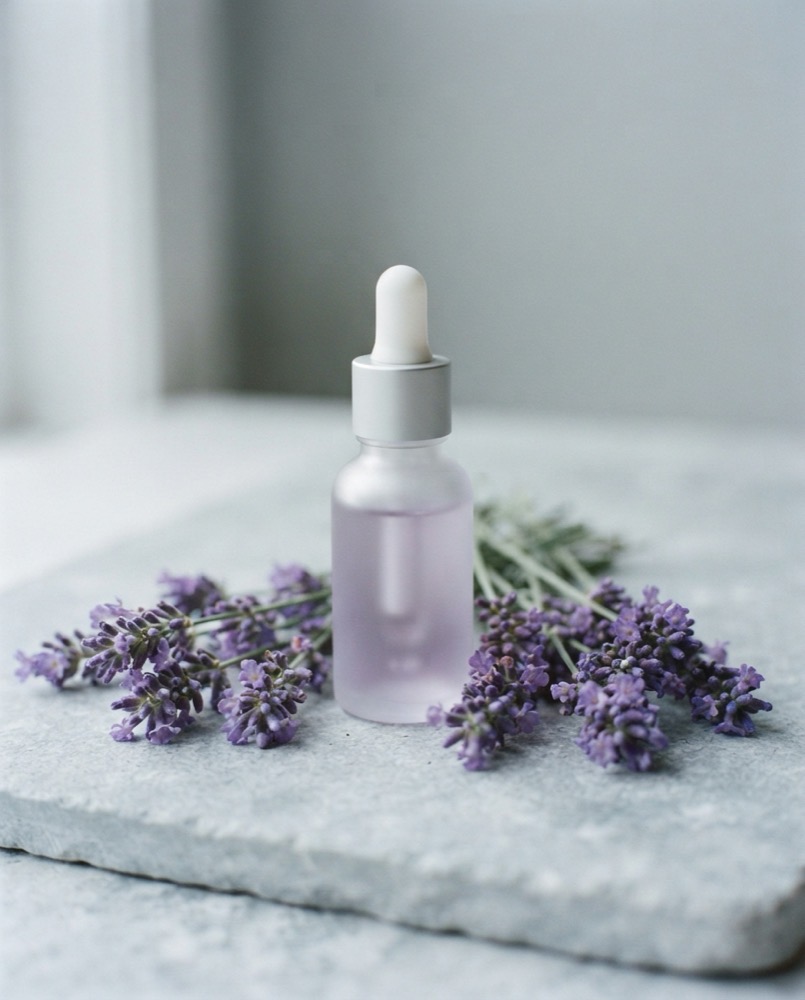
Lavender oil is steam-distilled from the flowering spikes of Lavandula angustifolia. Its main constituents are linalool and linalyl acetate, which give it both its scent and its biological activity.
It is one of the most widely used essential oils in cosmetics, valued for fragrance as much as for function. Its anti-inflammatory and antimicrobial properties are real, but so is its potential to sensitise skin.
What skin concerns does lavender treat?
It calms minor irritation, insect bites and small wounds, and has been shown to support wound healing and collagen synthesis in experimental models. Its antibacterial action gives it a modest role in mild acne.
Its most reliable benefit is arguably indirect: lavender’s effect on stress and sleep quality matters for skin, since cortisol drives inflammation and breakouts. As a topical active on the face, however, it is one of the weaker options.
What ingredients are best paired with lavender?
Always dilute it in a carrier oil – jojoba, squalane or sweet almond – to around 1%. Pair it with calming ingredients such as chamomile, centella asiatica and colloidal oatmeal.
Be cautious: linalool oxidises on exposure to air into a known contact allergen, and lavender is a common cause of fragrance sensitivity. If your skin is reactive or you are treating rosacea, a fragrance-free calming ingredient is the safer choice. Take our Skin Quiz.
What is dry skin?
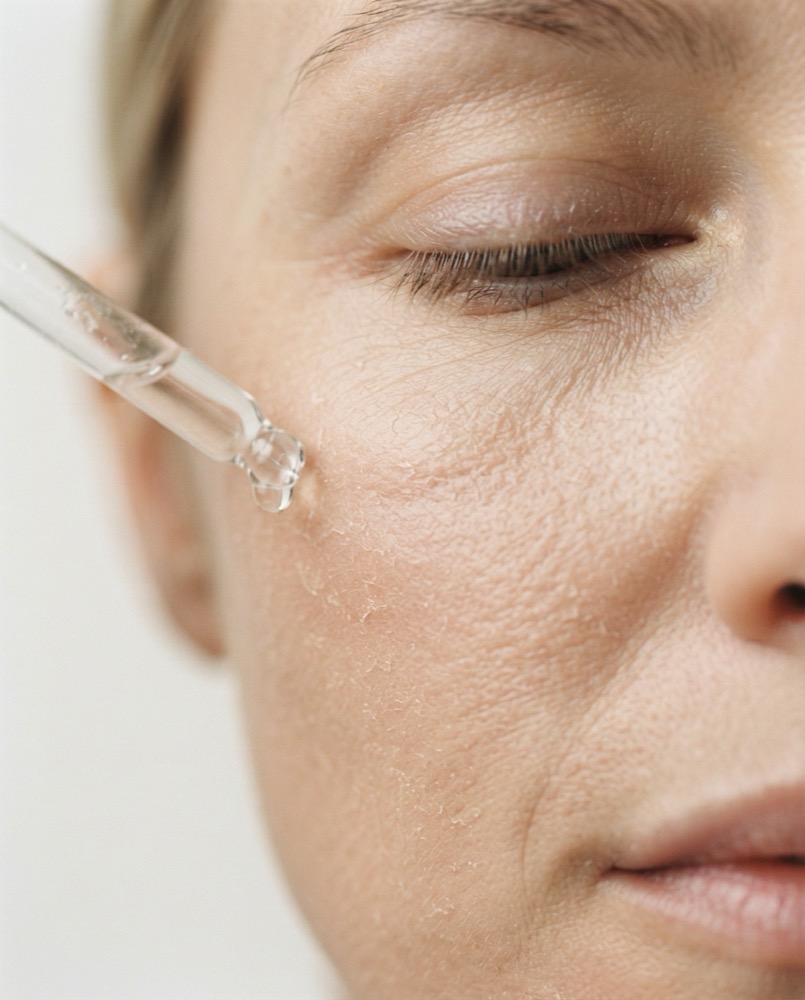
Dry skin – xerosis in clinical terms – is a skin type that lacks oil rather than water. It feels tight after cleansing, looks flaky or rough, may show fine cracking, and often reads dull because the uneven surface scatters light.
It is worth separating dry skin from dehydrated skin: dryness is a lack of lipids and is usually lifelong, while dehydration is a temporary lack of water and can happen to oily skin too. Many people have both at once.
What causes dry skin?
At the root is a compromised moisture barrier. When ceramides, cholesterol, fatty acids and natural moisturising factors run low, water evaporates out of the skin faster than it can be replaced.
Age, genetics, cold weather and low humidity, long hot showers, harsh surfactants, over-exfoliation, some medications, and conditions such as eczema and psoriasis all deplete those lipids. Consistent moisturising is the single intervention with the strongest evidence behind it.
What ingredients are best for dry skin?
Rebuild in layers. Humectants such as hyaluronic acid, glycerin, urea and panthenol draw water in; emollients such as squalane, jojoba oil and shea butter smooth the surface; and occlusives seal the whole thing in.
Ceramides, cholesterol and fatty acids are the priority, because they replace exactly what a dry barrier is missing, with niacinamide helping the skin make more of its own. Apply to damp skin, and swap foaming cleansers for cream or oil-based ones. Take our Skin Quiz to find the right combination for your skin.