What is phenoxyethanol in skincare?
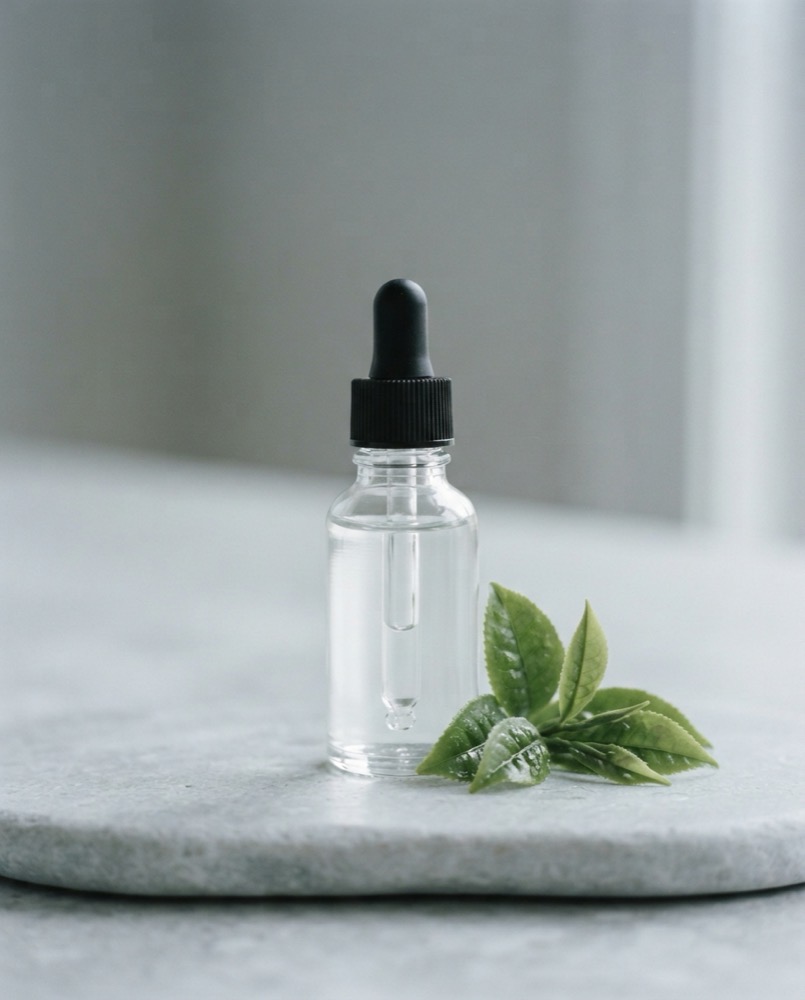
Phenoxyethanol is a glycol ether used as a broad-spectrum preservative. It occurs naturally in green tea and chicory, though the cosmetic grade is synthesised for purity.
Its job is unglamorous but essential: any product containing water will grow bacteria, yeast and mould without one. Phenoxyethanol became the default after parabens fell out of consumer favour, and it now appears in a large share of skincare on the market, capped at 1% in most jurisdictions.
What skin concerns does phenoxyethanol treat?
None – it is not an active. It protects the product rather than the skin, and in doing so protects you from applying a contaminated formula to your face, which is a real infection and irritation risk.
Its safety has been examined repeatedly. A safety review of phenoxyethanol as a cosmetic preservative and the EU Scientific Committee on Consumer Safety opinion both conclude it is safe at the permitted concentration. Allergic contact dermatitis happens but is uncommon.
What ingredients are best paired with phenoxyethanol?
It is usually combined with ethylhexylglycerin, caprylyl glycol or organic acids, which boost its activity and let formulators use less of it.
You do not choose products for their preservative, but it is worth knowing that unpreserved or self-preserving formulas are not automatically safer – they spoil faster and carry their own risk. If you react to it, patch testing with a dermatologist will confirm it before you rule out half the market. Take our Skin Quiz.
What are acne scars?
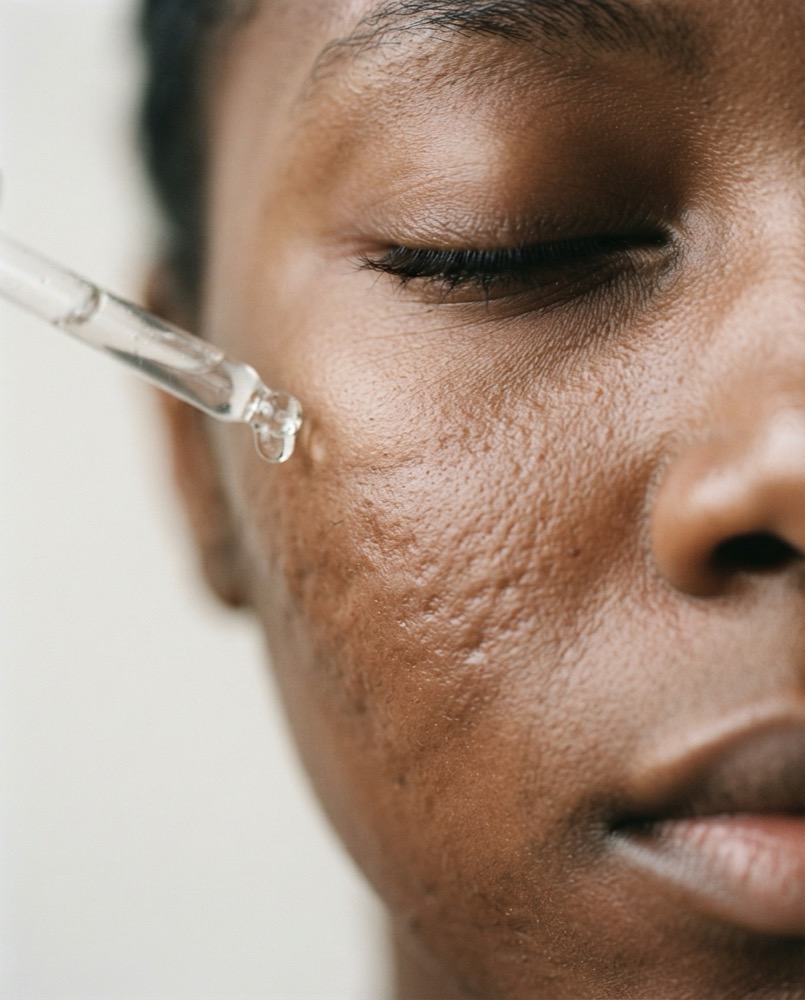
Acne scars are permanent changes in skin texture left behind after inflammatory acne damages the dermis. They fall into two families: atrophic scars, which sit below the surface as ice-pick, boxcar or rolling depressions, and hypertrophic or keloid scars, which sit raised above it.
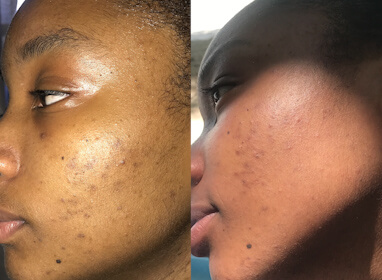
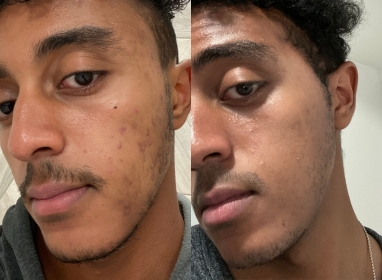
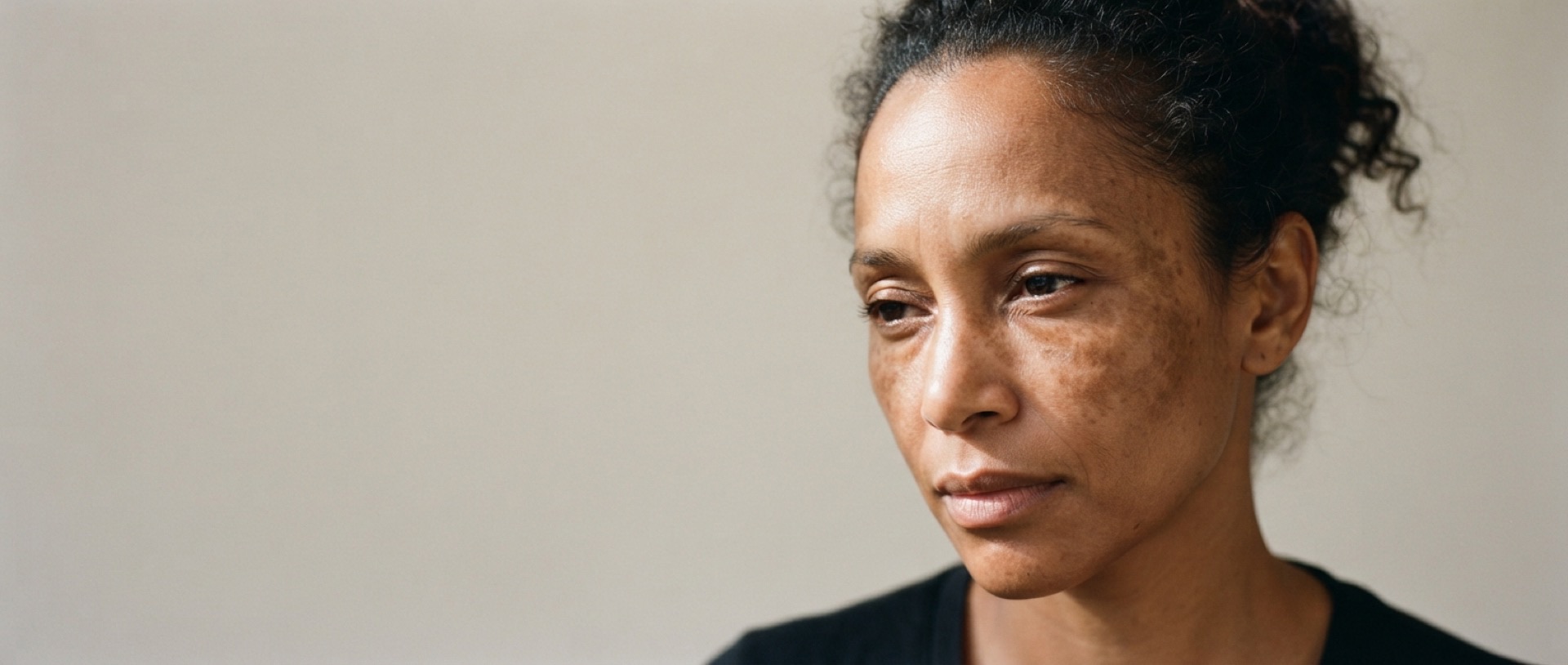
What most people call scarring is often post-inflammatory hyperpigmentation or erythema – flat brown or red marks with no texture change. Those fade on their own; true atrophic scars do not.
What causes acne scars?
Scarring happens when inflammation reaches deep enough to destroy collagen and the repair process either lays down too little (atrophic) or too much (hypertrophic). Deep nodular and cystic lesions carry the highest risk.
Delaying treatment, picking or squeezing, and prolonged inflammation all increase the odds. Genetics play a large part in who scars and how, which is why two people with identical acne can heal very differently.
What ingredients are best for acne scars?
For flat marks, ingredients that speed turnover and calm pigment work well: retinoids, vitamin C, niacinamide, azelaic acid, alpha arbutin and AHAs, with daily SPF to stop marks darkening again.
For true textural scarring, topicals can soften but not erase – retinoids and peptides help remodel collagen over months, while in-clinic options like microneedling, resurfacing and subcision do the heavy lifting. Preventing new inflammation is the highest-value step. Take our Skin Quiz.