What is resveratrol in skincare?
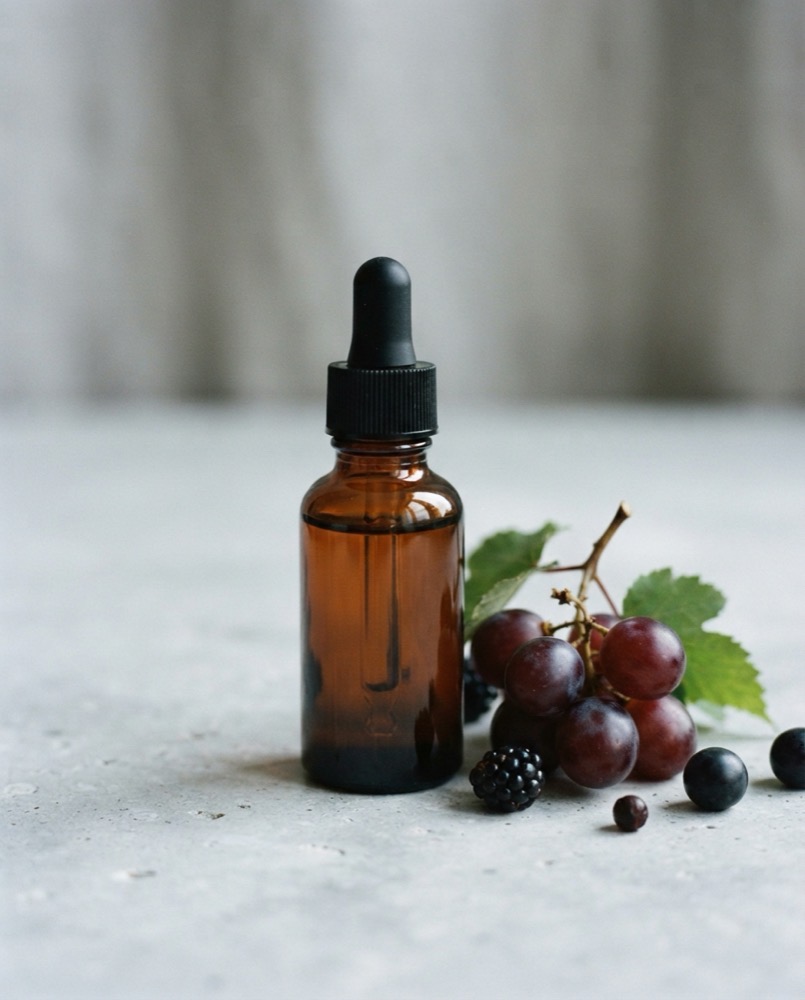
Resveratrol is a polyphenol produced by plants under stress – grapes, berries, peanuts and Japanese knotweed are the main sources. Red wine is where most people first hear of it, though the amounts there are trivial.
In skincare it functions as a potent antioxidant and an activator of sirtuins, proteins involved in cellular repair and longevity. It is well characterised for antioxidant, anti-inflammatory and antimicrobial activity on skin.
What skin concerns does resveratrol treat?
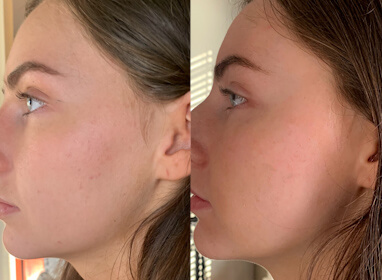
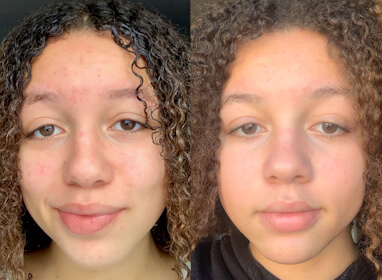
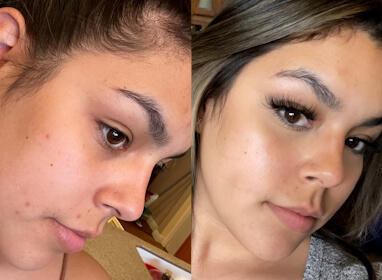
It targets the visible results of oxidative stress: dullness, uneven tone, fine lines and loss of firmness. Its anti-inflammatory action also helps redness and reactive skin.
It has documented skin-lightening activity through tyrosinase inhibition, making it a gentler option for pigmentation than many actives, and a small trial found it reduced facial redness when combined with green tea and caffeine.
What ingredients are best paired with resveratrol?
It is typically used at night, where it complements the repair work skin does while you sleep, and it pairs particularly well with vitamin E, ferulic acid, niacinamide and green tea.
It also combines safely with retinoids and peptides. Because it is unstable in light, look for opaque, air-tight packaging – a resveratrol serum in a clear dropper bottle is not doing much. Take our Skin Quiz.
What is acne?
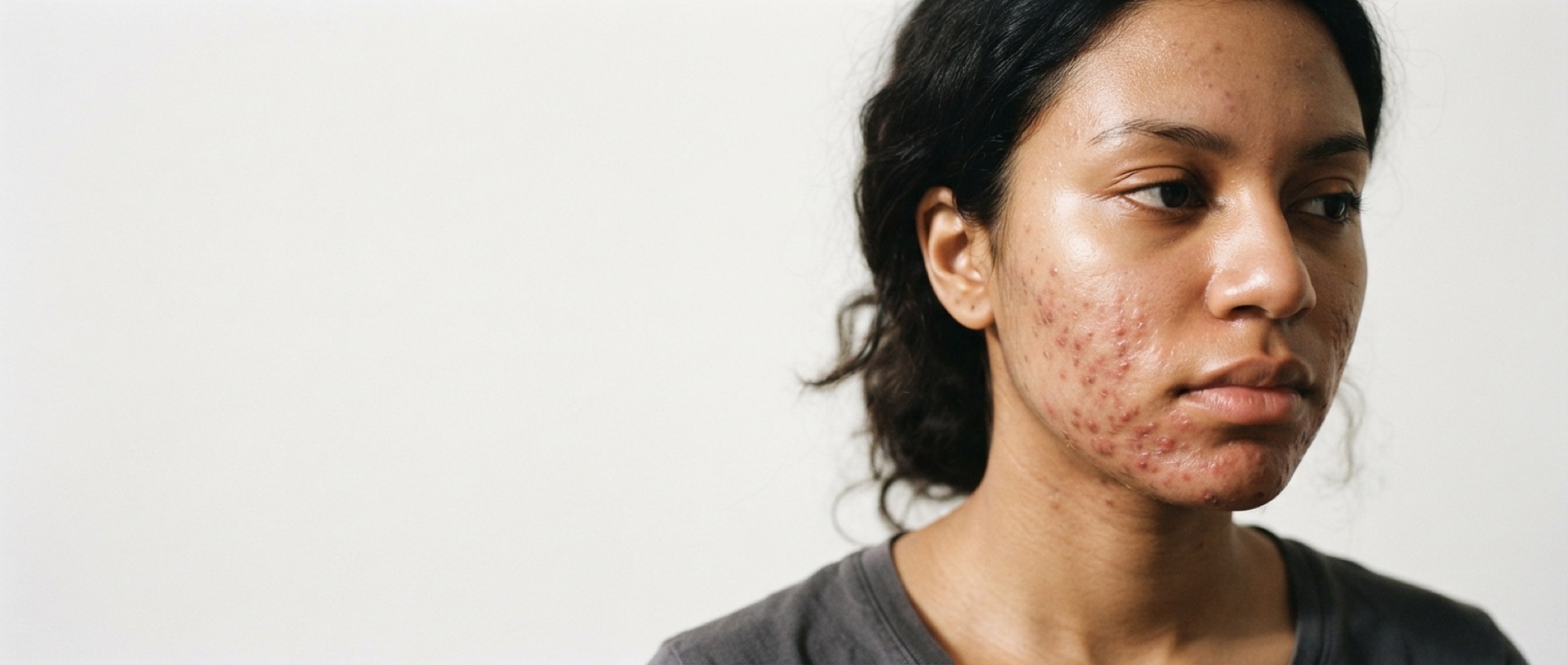
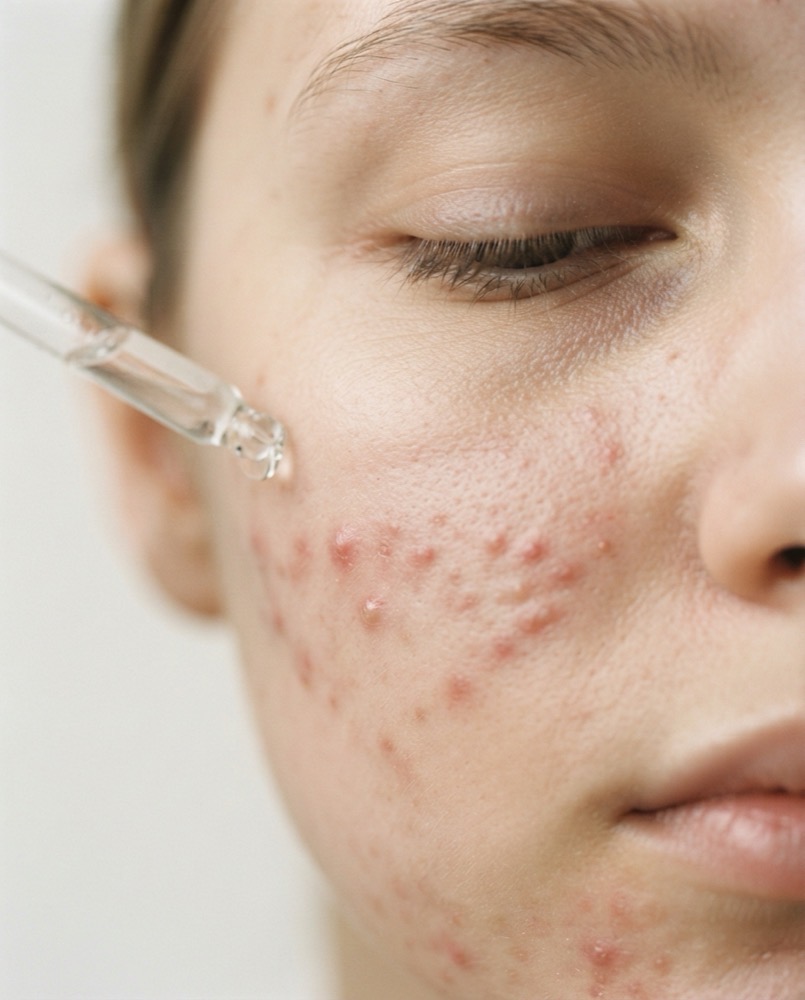
Acne vulgaris is a chronic inflammatory condition of the pilosebaceous unit – the hair follicle and its attached oil gland. It produces blackheads and whiteheads, inflamed papules and pustules, and in severe cases deep nodules and cysts.
It is the most common skin condition worldwide, and it is not a hygiene problem. Acne begins with a microcomedone forming invisibly inside the follicle, weeks before anything shows on the surface.
What causes acne?
Four mechanisms work together: excess sebum driven by androgens, abnormal shedding of cells inside the follicle, overgrowth of Cutibacterium acnes, and the inflammatory response that follows.
Genetics set the baseline. Hormonal fluctuation, stress, high-glycaemic diets, comedogenic products, friction from masks or helmets, and certain medications all push it further. Over-cleansing and picking make it visibly worse.
What ingredients are best for acne?
Salicylic acid clears inside the pore, benzoyl peroxide reduces bacterial load, and retinoids prevent the plug forming in the first place – that last one is the most valuable long-term.
Azelaic acid and niacinamide reduce inflammation and the marks left behind, and sulphur or clay help oily, congested skin. Keep the barrier intact with a gentle cleanser and a light non-comedogenic moisturiser; stripped skin produces more oil. Take our Skin Quiz.