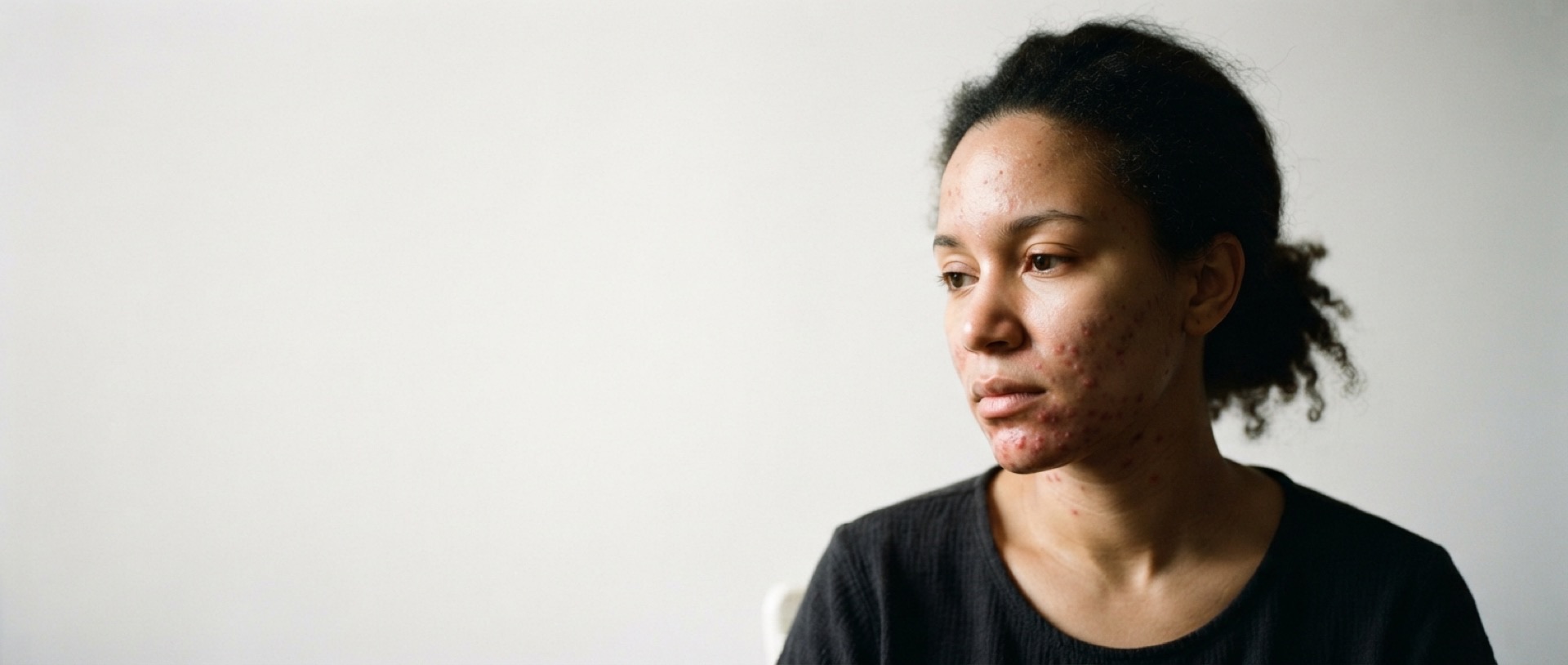
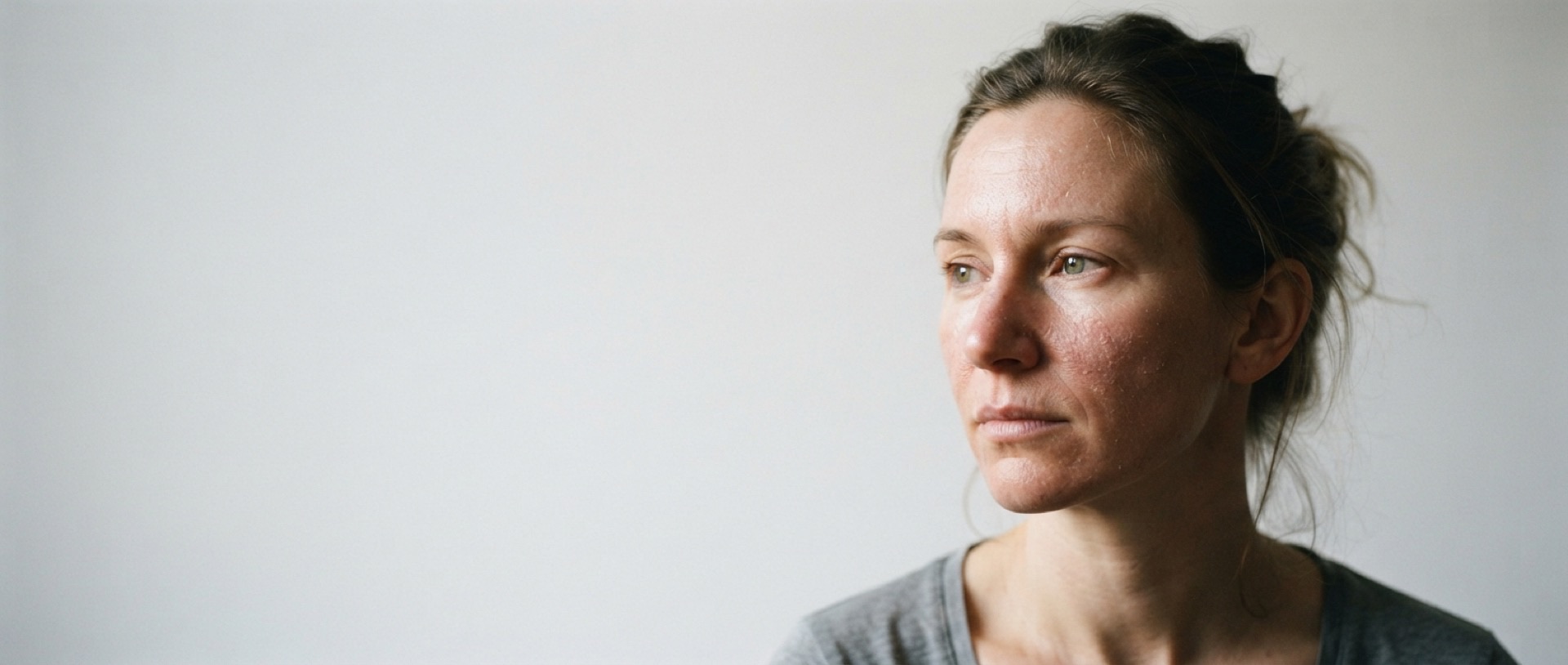
What is propanediol in skincare?
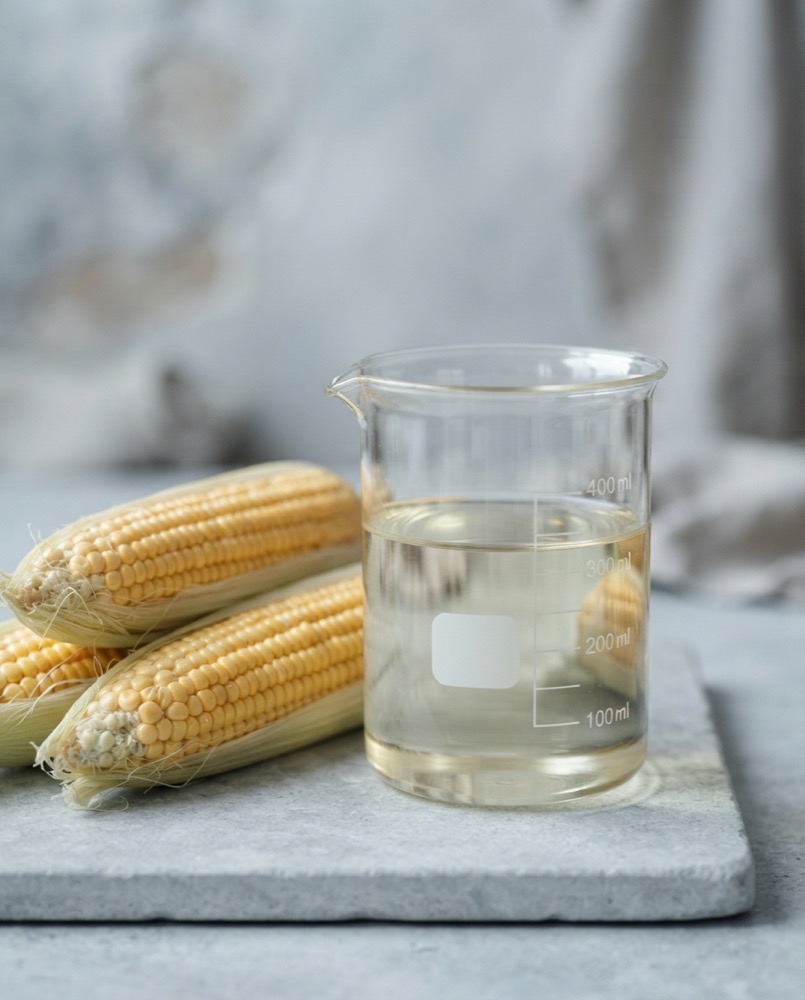
Propanediol – specifically 1,3-propanediol – is a small alcohol produced by fermenting corn sugar. It appears near the top of a great many ingredient lists because it does several unshowy jobs at once.
It is a humectant, a solvent for ingredients that will not dissolve in water alone, a preservative booster, and a texture agent that gives a formula its light, non-tacky slip. It is the plant-derived alternative brands reach for in place of propylene glycol.
What skin concerns does propanediol treat?
As a humectant it draws water into the stratum corneum, relieving dryness and tightness in any skin type. It is lightweight and non-comedogenic, so it suits oily and acne-prone skin as readily as dry.
Its more important function is enabling: it improves how well other actives penetrate and stay dissolved, so the salicylic acid or vitamin C beside it in the formula works better. Research on 1,3-propanediol covers exactly that role.
What ingredients are best paired with propanediol?
It carries and enhances actives across the board – salicylic acid, vitamin C, niacinamide, retinoids – and layers with glycerin and hyaluronic acid for hydration.
It is generally better tolerated than propylene glycol, which is a documented contact allergen, so it is the sensible choice for reactive skin. Seal it with a moisturiser as you would any humectant. Take our Skin Quiz.
What is acne?
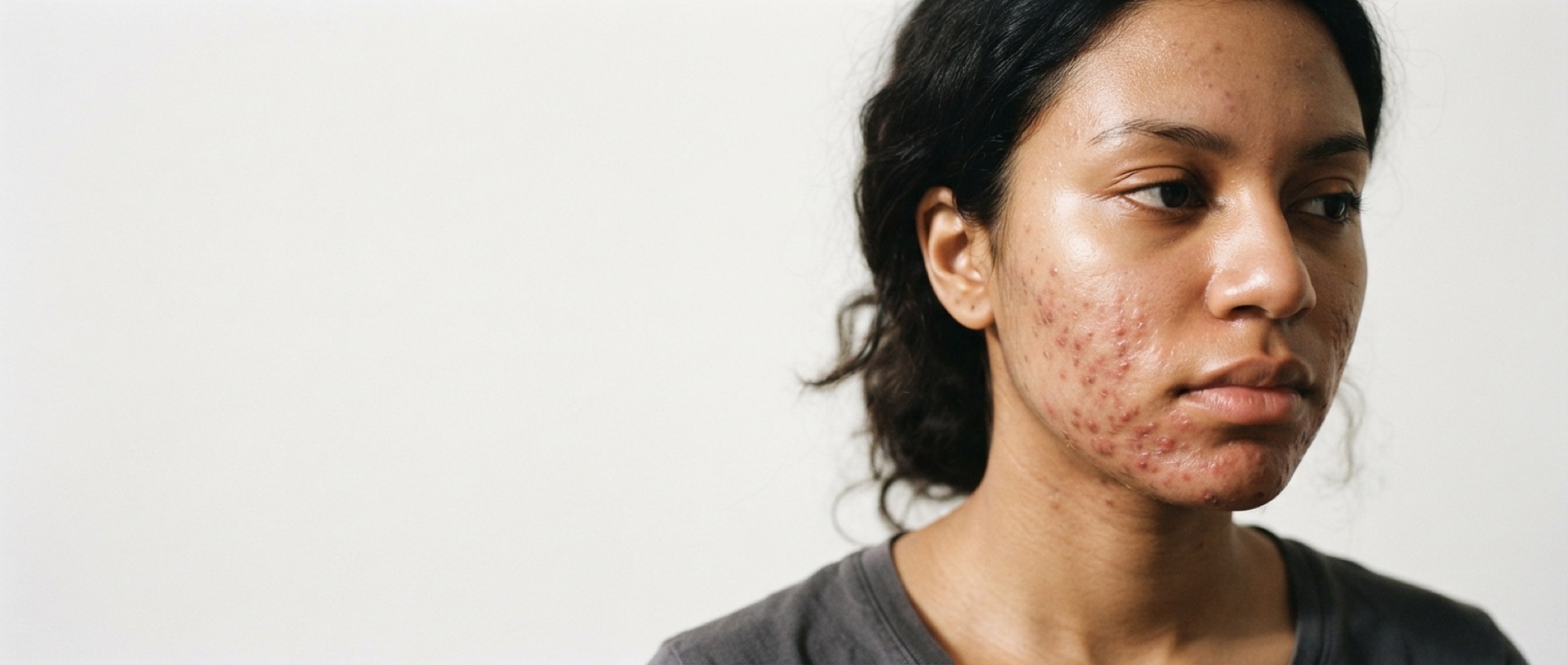
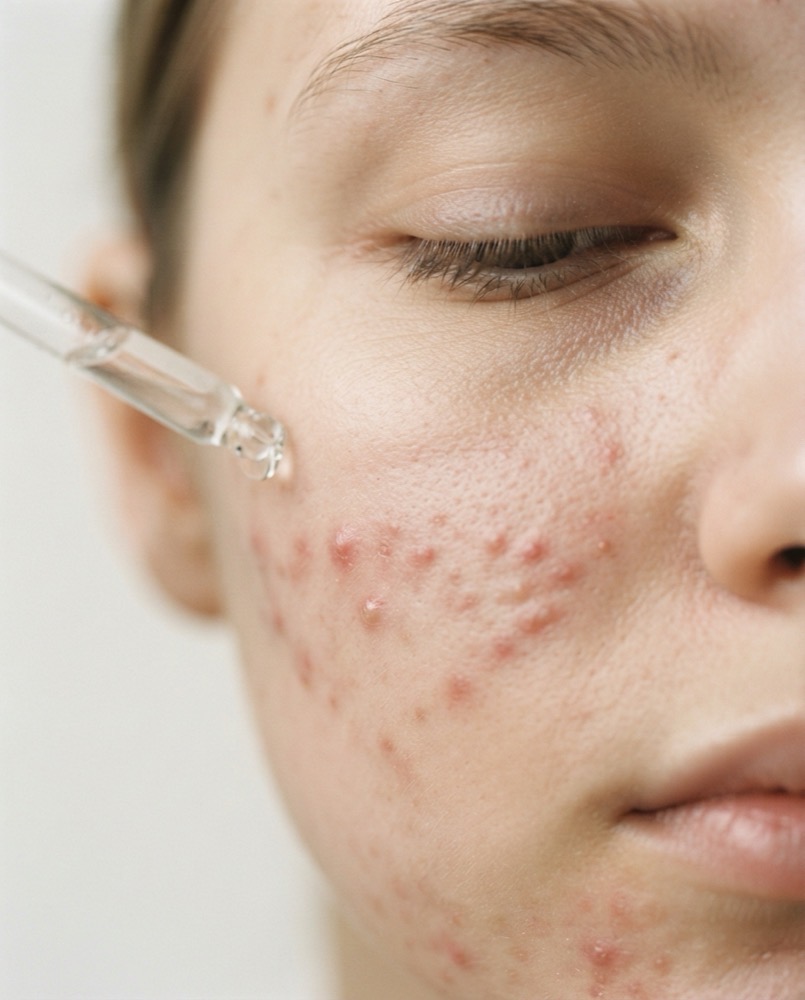
Acne vulgaris is a chronic inflammatory condition of the pilosebaceous unit – the hair follicle and its attached oil gland. It produces blackheads and whiteheads, inflamed papules and pustules, and in severe cases deep nodules and cysts.
It is the most common skin condition worldwide, and it is not a hygiene problem. Acne begins with a microcomedone forming invisibly inside the follicle, weeks before anything shows on the surface.
What causes acne?
Four mechanisms work together: excess sebum driven by androgens, abnormal shedding of cells inside the follicle, overgrowth of Cutibacterium acnes, and the inflammatory response that follows.
Genetics set the baseline. Hormonal fluctuation, stress, high-glycaemic diets, comedogenic products, friction from masks or helmets, and certain medications all push it further. Over-cleansing and picking make it visibly worse.
What ingredients are best for acne?
Salicylic acid clears inside the pore, benzoyl peroxide reduces bacterial load, and retinoids prevent the plug forming in the first place – that last one is the most valuable long-term.
Azelaic acid and niacinamide reduce inflammation and the marks left behind, and sulphur or clay help oily, congested skin. Keep the barrier intact with a gentle cleanser and a light non-comedogenic moisturiser; stripped skin produces more oil. Take our Skin Quiz.