

What is propanediol in skincare?
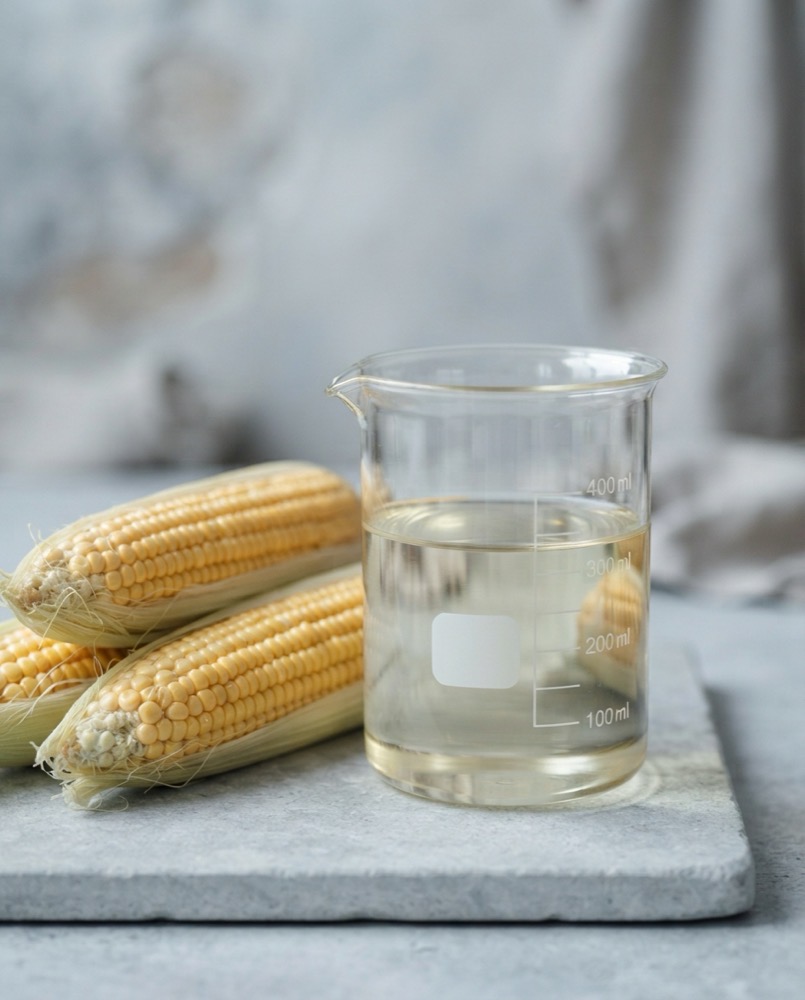
Propanediol – specifically 1,3-propanediol – is a small alcohol produced by fermenting corn sugar. It appears near the top of a great many ingredient lists because it does several unshowy jobs at once.
It is a humectant, a solvent for ingredients that will not dissolve in water alone, a preservative booster, and a texture agent that gives a formula its light, non-tacky slip. It is the plant-derived alternative brands reach for in place of propylene glycol.
What skin concerns does propanediol treat?
As a humectant it draws water into the stratum corneum, relieving dryness and tightness in any skin type. It is lightweight and non-comedogenic, so it suits oily and acne-prone skin as readily as dry.
Its more important function is enabling: it improves how well other actives penetrate and stay dissolved, so the salicylic acid or vitamin C beside it in the formula works better. Research on 1,3-propanediol covers exactly that role.
What ingredients are best paired with propanediol?
It carries and enhances actives across the board – salicylic acid, vitamin C, niacinamide, retinoids – and layers with glycerin and hyaluronic acid for hydration.
It is generally better tolerated than propylene glycol, which is a documented contact allergen, so it is the sensible choice for reactive skin. Seal it with a moisturiser as you would any humectant. Take our Skin Quiz.
What are acne scars?
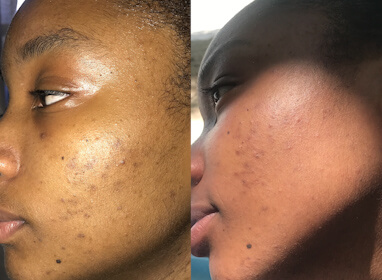
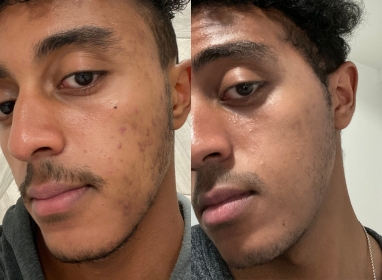
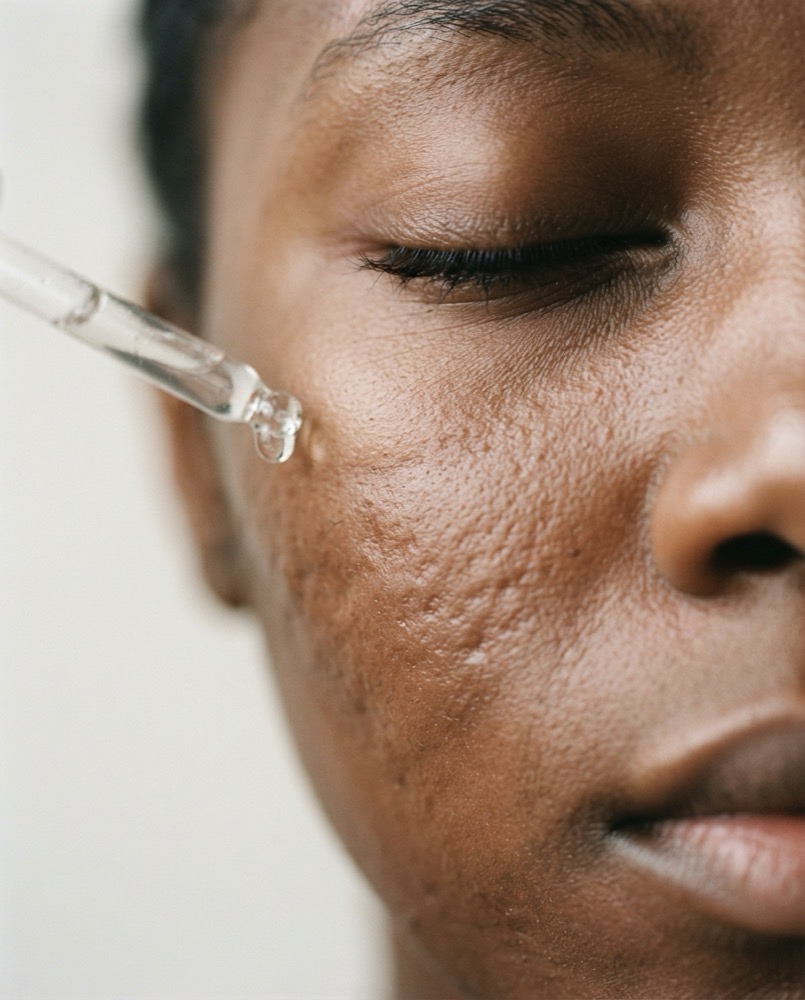
Acne scars are permanent changes in skin texture left behind after inflammatory acne damages the dermis. They fall into two families: atrophic scars, which sit below the surface as ice-pick, boxcar or rolling depressions, and hypertrophic or keloid scars, which sit raised above it.
What most people call scarring is often post-inflammatory hyperpigmentation or erythema – flat brown or red marks with no texture change. Those fade on their own; true atrophic scars do not.
What causes acne scars?
Scarring happens when inflammation reaches deep enough to destroy collagen and the repair process either lays down too little (atrophic) or too much (hypertrophic). Deep nodular and cystic lesions carry the highest risk.
Delaying treatment, picking or squeezing, and prolonged inflammation all increase the odds. Genetics play a large part in who scars and how, which is why two people with identical acne can heal very differently.
What ingredients are best for acne scars?
For flat marks, ingredients that speed turnover and calm pigment work well: retinoids, vitamin C, niacinamide, azelaic acid, alpha arbutin and AHAs, with daily SPF to stop marks darkening again.
For true textural scarring, topicals can soften but not erase – retinoids and peptides help remodel collagen over months, while in-clinic options like microneedling, resurfacing and subcision do the heavy lifting. Preventing new inflammation is the highest-value step. Take our Skin Quiz.