

What is marula oil in skincare?
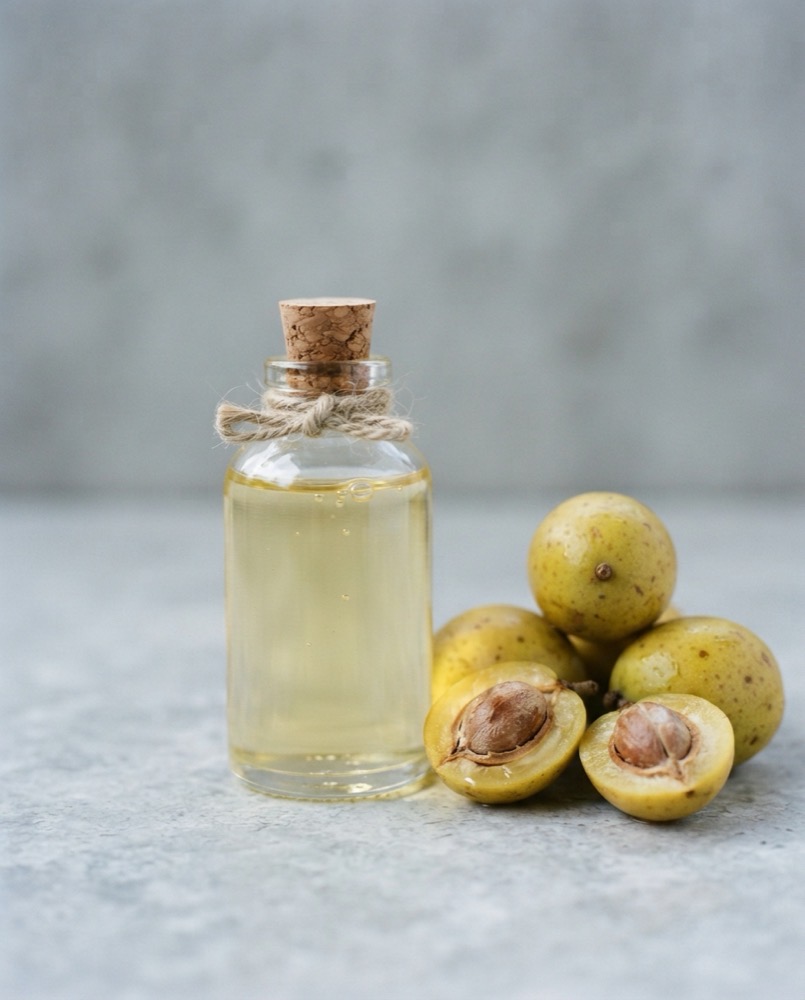
Marula oil is cold-pressed from the kernels of the marula fruit, native to southern Africa. It is a light, fast-absorbing oil that is very high in oleic acid – often 70 to 80% – with vitamin E, phenolic antioxidants and amino acids.
Despite being oleic-dominant it has an unusually light skin feel, and its high antioxidant content makes it exceptionally resistant to oxidation compared with most plant oils.
What skin concerns does marula oil treat?
It hydrates and softens dry, dehydrated and mature skin, improves suppleness, and reduces the tightness that comes with a depleted barrier. Its antioxidants support skin against environmental and inflammatory stress.
It is often used on the face, body, cuticles and hair ends, and is popular for stretch marks. Because it is high in oleic acid it is better suited to normal, dry and mature skin than to congested, oily skin.
What ingredients are best paired with marula oil?
Apply it over a hydrating serum – hyaluronic acid, glycerin or niacinamide – so it seals moisture in, and combine it with ceramides for barrier repair.
It also works well as a final step over a retinoid to reduce flaking. Its stability means it keeps longer than lighter oils like grapeseed or rosehip without refrigeration. Take our Skin Quiz.
What is redness?
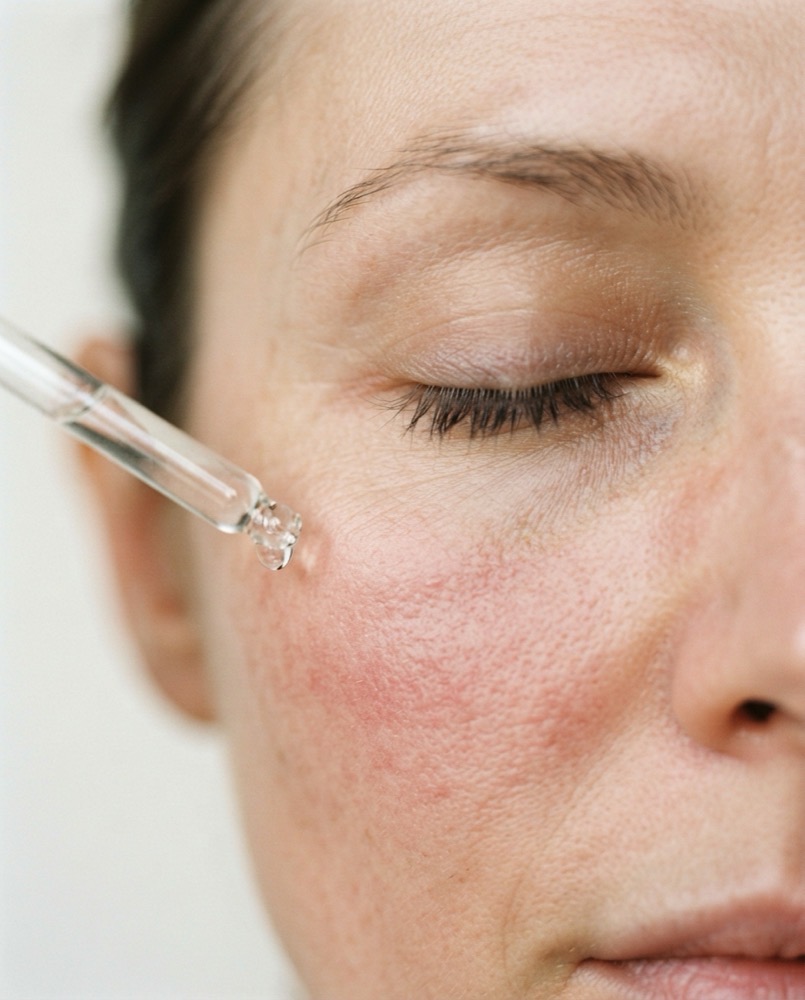
Facial redness is visible dilation of the small blood vessels near the skin’s surface. It ranges from transient flushing that comes and goes, to persistent erythema across the cheeks and nose, to fixed thread veins that stay visible all the time.
Redness is a symptom rather than a diagnosis. It can signal rosacea, irritation, an over-exfoliated barrier, eczema, an allergic reaction or simply reactive skin that responds strongly to heat and stress.
What causes redness?
Most persistent redness traces back to a compromised barrier and heightened nerve sensitivity. When the barrier thins, irritants penetrate more easily and the skin mounts an inflammatory response to things it would normally tolerate.
Common aggravators: over-exfoliation, high-strength actives used too often, fragrance and essential oils, hot water, alcohol, spicy food, sudden temperature change, sun exposure and stress. Trying to treat redness with more actives usually deepens it.
What ingredients are best for redness?
Prioritise calming and rebuilding over correcting. Niacinamide, azelaic acid, centella asiatica, green tea extract, liquorice root, allantoin, bisabolol and colloidal oatmeal all reduce visible inflammation.
Then repair the barrier with ceramides, cholesterol, fatty acids, glycerin, panthenol and squalane, and protect it with a gentle mineral SPF. Strip the routine back to cleanser, moisturiser and sunscreen for a few weeks before reintroducing anything active. Take our Skin Quiz.