

What is marula oil in skincare?
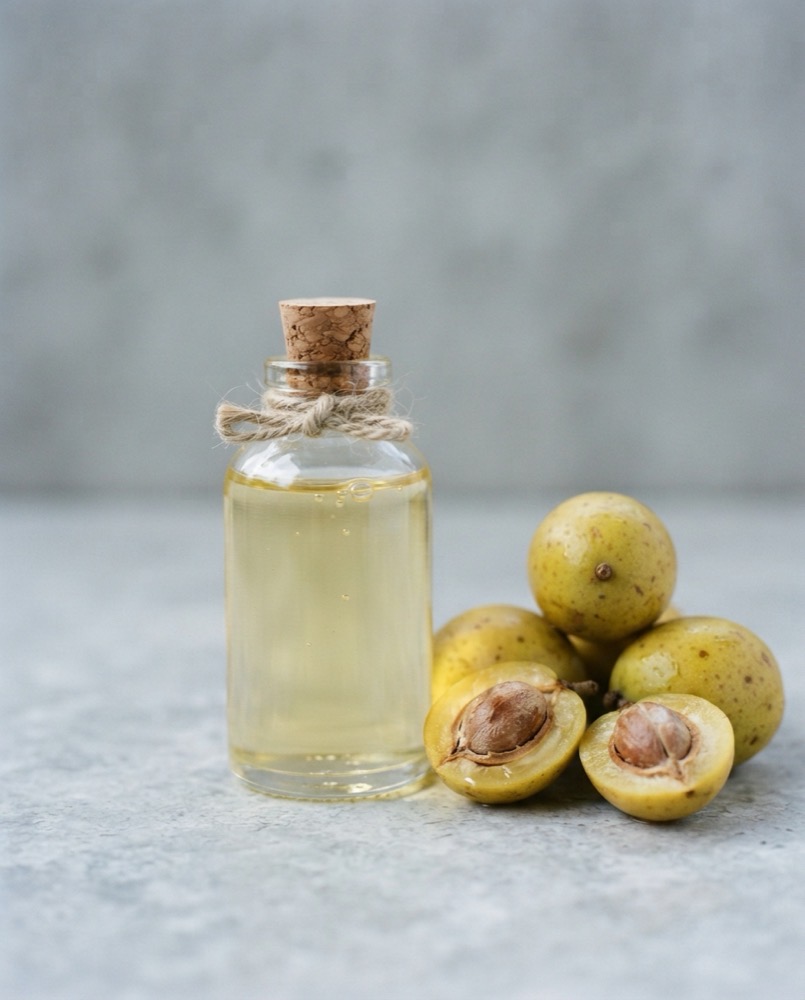
Marula oil is cold-pressed from the kernels of the marula fruit, native to southern Africa. It is a light, fast-absorbing oil that is very high in oleic acid – often 70 to 80% – with vitamin E, phenolic antioxidants and amino acids.
Despite being oleic-dominant it has an unusually light skin feel, and its high antioxidant content makes it exceptionally resistant to oxidation compared with most plant oils.
What skin concerns does marula oil treat?
It hydrates and softens dry, dehydrated and mature skin, improves suppleness, and reduces the tightness that comes with a depleted barrier. Its antioxidants support skin against environmental and inflammatory stress.
It is often used on the face, body, cuticles and hair ends, and is popular for stretch marks. Because it is high in oleic acid it is better suited to normal, dry and mature skin than to congested, oily skin.
What ingredients are best paired with marula oil?
Apply it over a hydrating serum – hyaluronic acid, glycerin or niacinamide – so it seals moisture in, and combine it with ceramides for barrier repair.
It also works well as a final step over a retinoid to reduce flaking. Its stability means it keeps longer than lighter oils like grapeseed or rosehip without refrigeration. Take our Skin Quiz.
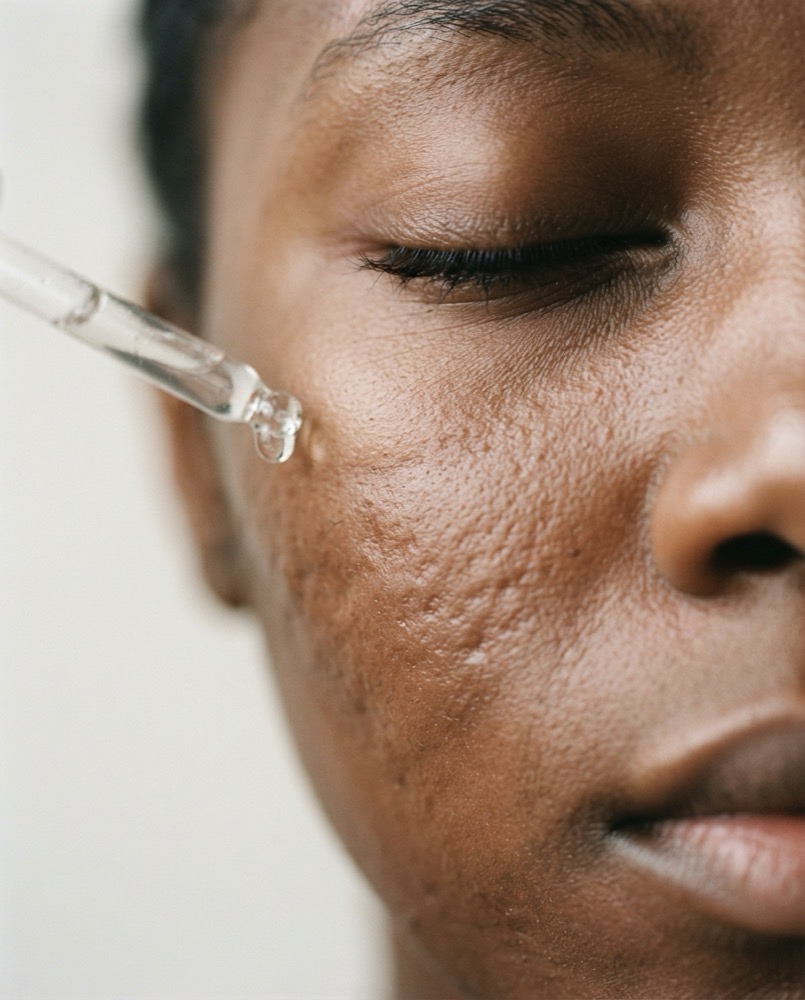
What are acne scars?
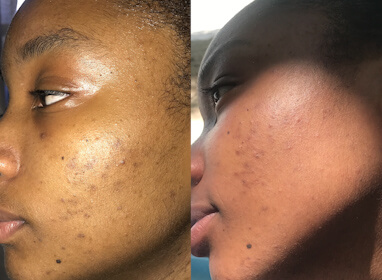
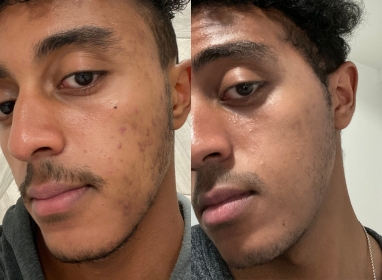
Acne scars are permanent changes in skin texture left behind after inflammatory acne damages the dermis. They fall into two families: atrophic scars, which sit below the surface as ice-pick, boxcar or rolling depressions, and hypertrophic or keloid scars, which sit raised above it.
What most people call scarring is often post-inflammatory hyperpigmentation or erythema – flat brown or red marks with no texture change. Those fade on their own; true atrophic scars do not.
What causes acne scars?
Scarring happens when inflammation reaches deep enough to destroy collagen and the repair process either lays down too little (atrophic) or too much (hypertrophic). Deep nodular and cystic lesions carry the highest risk.
Delaying treatment, picking or squeezing, and prolonged inflammation all increase the odds. Genetics play a large part in who scars and how, which is why two people with identical acne can heal very differently.
What ingredients are best for acne scars?
For flat marks, ingredients that speed turnover and calm pigment work well: retinoids, vitamin C, niacinamide, azelaic acid, alpha arbutin and AHAs, with daily SPF to stop marks darkening again.
For true textural scarring, topicals can soften but not erase – retinoids and peptides help remodel collagen over months, while in-clinic options like microneedling, resurfacing and subcision do the heavy lifting. Preventing new inflammation is the highest-value step. Take our Skin Quiz.