What is lemon in skincare?
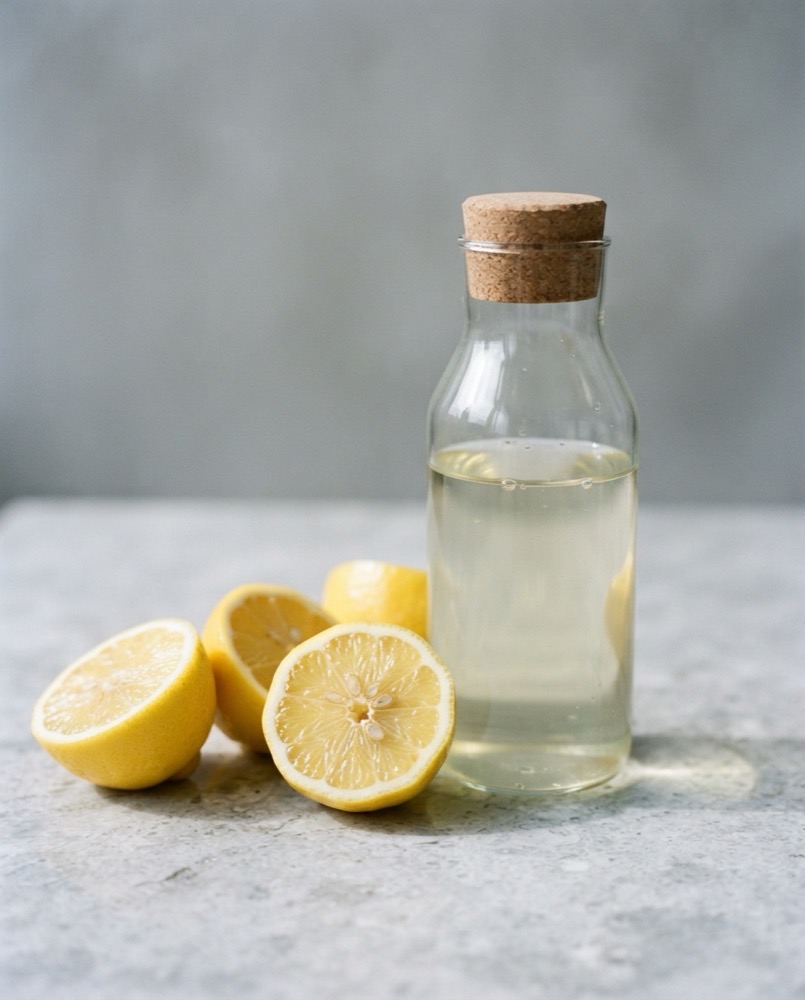
Lemon is the fruit of Citrus limon. Its juice is strongly acidic, with a pH around 2, and contains citric acid, vitamin C and a group of compounds called furocoumarins – the last of which is the problem.
Lemon has a long folk history as a skin lightener and acne treatment, which is why it still appears in home remedies. Modern dermatology takes a much dimmer view, and the reason is well documented.
What skin concerns does lemon treat?
The claimed uses are brightening dark spots, drying out blemishes and exfoliating. Citric acid is a real AHA and the vitamin C content is real, so the logic is not baseless – but the delivery is uncontrolled and the collateral damage is significant.
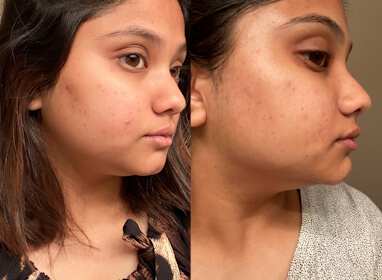
Furocoumarins in citrus juice cause phytophotodermatitis: a phototoxic reaction producing burns, blisters and long-lasting brown staining when treated skin meets sunlight. Ironically, the most common result of using lemon for dark spots is more pigmentation, not less.
What ingredients are best paired with lemon?
The honest answer is to leave lemon juice out of skincare altogether. Its pH is far outside what skin tolerates, and it strips the acid mantle while creating a photosensitivity risk.
For everything lemon is reached for there is a better-controlled option: vitamin C, niacinamide, alpha arbutin or azelaic acid for brightening; glycolic or lactic acid for exfoliation; salicylic acid for blemishes. All work at a skin-safe pH and none will burn you in the sun. Take our Skin Quiz.
What is dry skin?
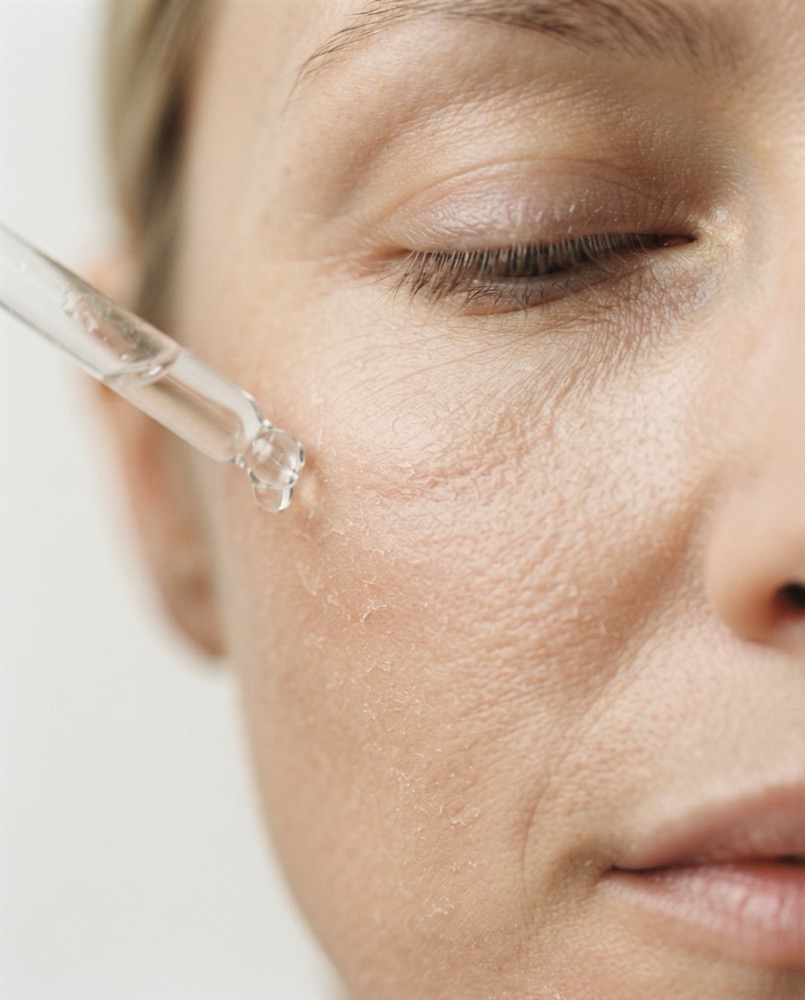
Dry skin – xerosis in clinical terms – is a skin type that lacks oil rather than water. It feels tight after cleansing, looks flaky or rough, may show fine cracking, and often reads dull because the uneven surface scatters light.
It is worth separating dry skin from dehydrated skin: dryness is a lack of lipids and is usually lifelong, while dehydration is a temporary lack of water and can happen to oily skin too. Many people have both at once.
What causes dry skin?
At the root is a compromised moisture barrier. When ceramides, cholesterol, fatty acids and natural moisturising factors run low, water evaporates out of the skin faster than it can be replaced.
Age, genetics, cold weather and low humidity, long hot showers, harsh surfactants, over-exfoliation, some medications, and conditions such as eczema and psoriasis all deplete those lipids. Consistent moisturising is the single intervention with the strongest evidence behind it.
What ingredients are best for dry skin?
Rebuild in layers. Humectants such as hyaluronic acid, glycerin, urea and panthenol draw water in; emollients such as squalane, jojoba oil and shea butter smooth the surface; and occlusives seal the whole thing in.
Ceramides, cholesterol and fatty acids are the priority, because they replace exactly what a dry barrier is missing, with niacinamide helping the skin make more of its own. Apply to damp skin, and swap foaming cleansers for cream or oil-based ones. Take our Skin Quiz to find the right combination for your skin.