

What is lemon in skincare?
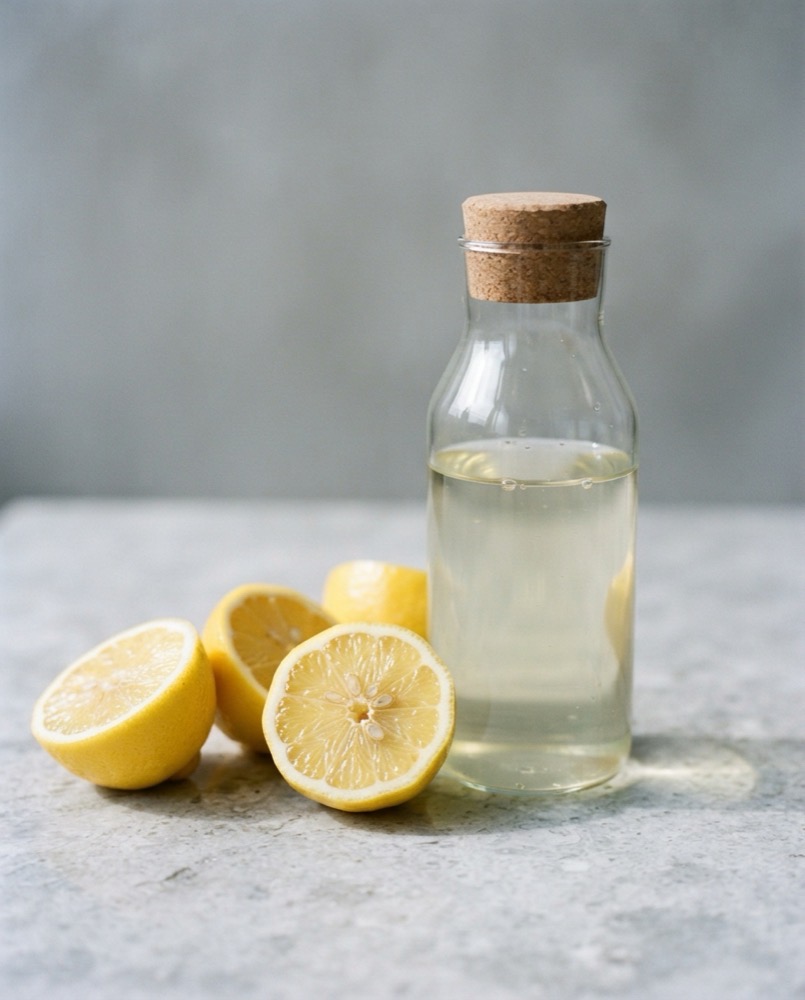
Lemon is the fruit of Citrus limon. Its juice is strongly acidic, with a pH around 2, and contains citric acid, vitamin C and a group of compounds called furocoumarins – the last of which is the problem.
Lemon has a long folk history as a skin lightener and acne treatment, which is why it still appears in home remedies. Modern dermatology takes a much dimmer view, and the reason is well documented.
What skin concerns does lemon treat?
The claimed uses are brightening dark spots, drying out blemishes and exfoliating. Citric acid is a real AHA and the vitamin C content is real, so the logic is not baseless – but the delivery is uncontrolled and the collateral damage is significant.
Furocoumarins in citrus juice cause phytophotodermatitis: a phototoxic reaction producing burns, blisters and long-lasting brown staining when treated skin meets sunlight. Ironically, the most common result of using lemon for dark spots is more pigmentation, not less.
What ingredients are best paired with lemon?
The honest answer is to leave lemon juice out of skincare altogether. Its pH is far outside what skin tolerates, and it strips the acid mantle while creating a photosensitivity risk.
For everything lemon is reached for there is a better-controlled option: vitamin C, niacinamide, alpha arbutin or azelaic acid for brightening; glycolic or lactic acid for exfoliation; salicylic acid for blemishes. All work at a skin-safe pH and none will burn you in the sun. Take our Skin Quiz.
What are acne scars?
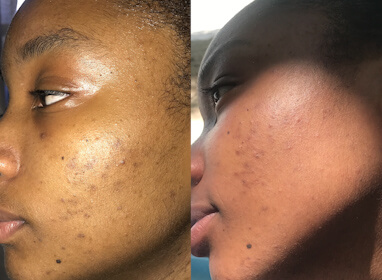
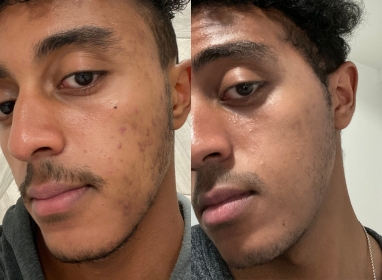
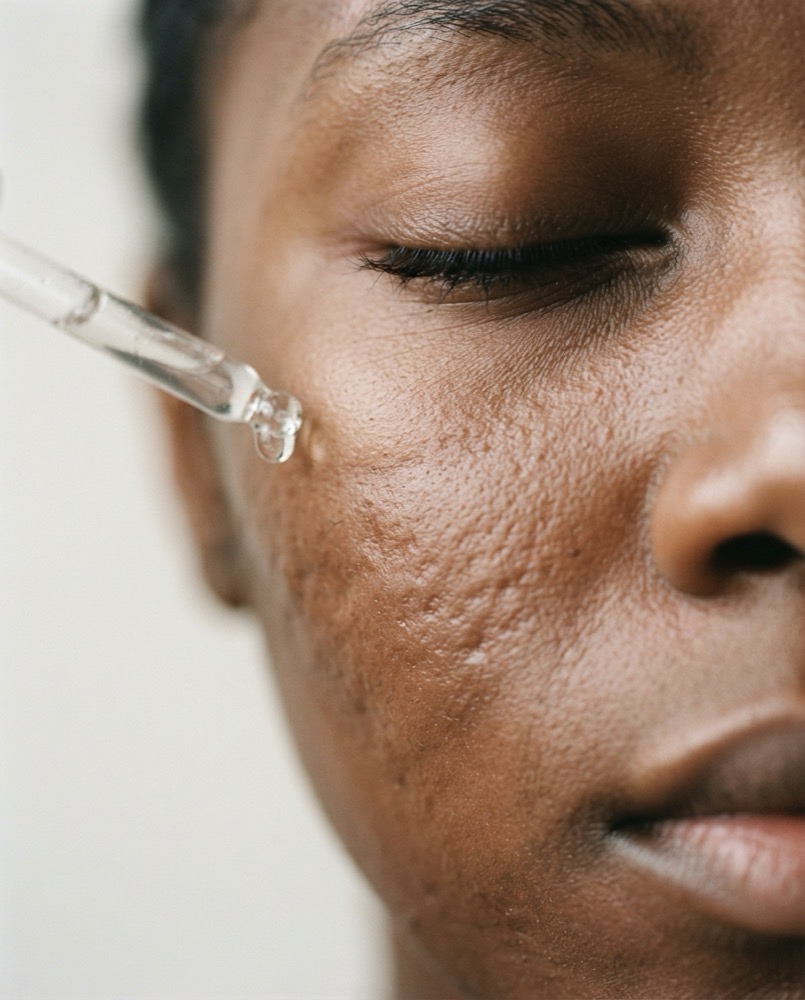
Acne scars are permanent changes in skin texture left behind after inflammatory acne damages the dermis. They fall into two families: atrophic scars, which sit below the surface as ice-pick, boxcar or rolling depressions, and hypertrophic or keloid scars, which sit raised above it.
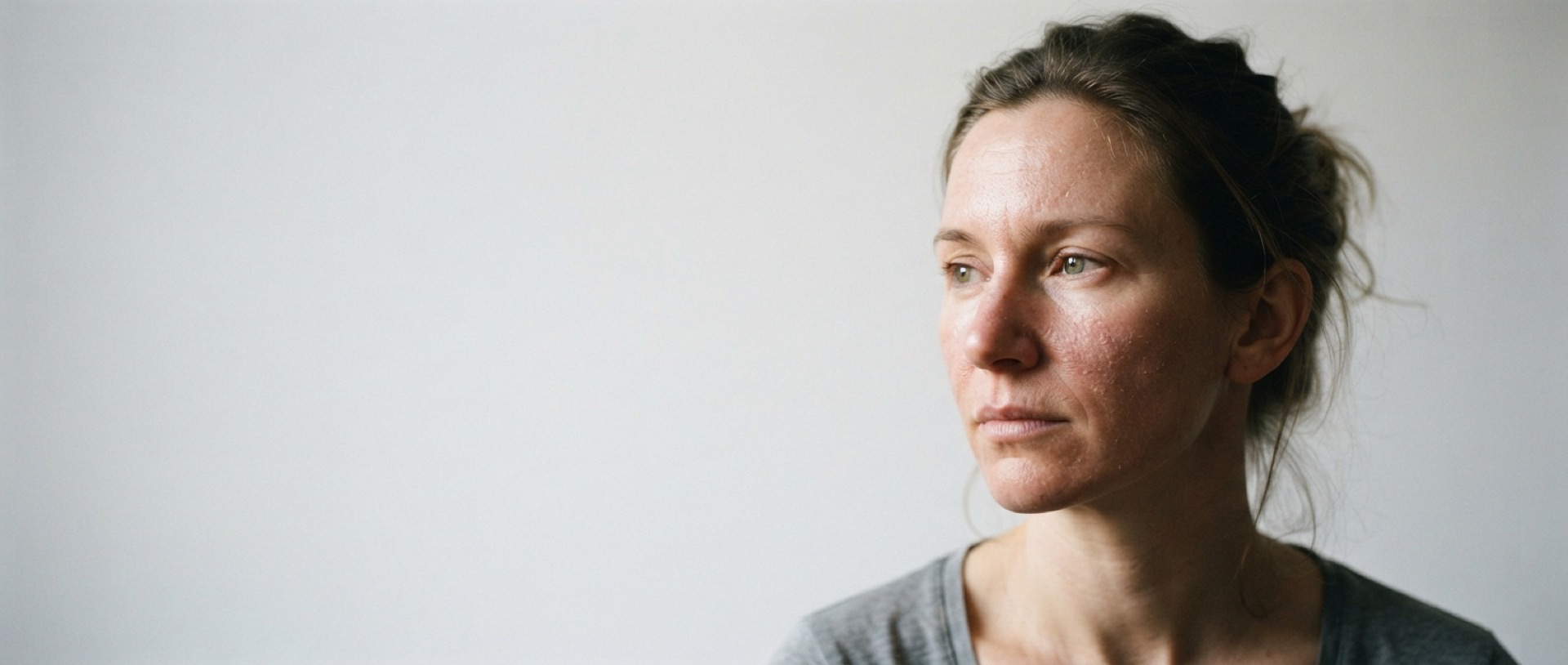
What most people call scarring is often post-inflammatory hyperpigmentation or erythema – flat brown or red marks with no texture change. Those fade on their own; true atrophic scars do not.
What causes acne scars?
Scarring happens when inflammation reaches deep enough to destroy collagen and the repair process either lays down too little (atrophic) or too much (hypertrophic). Deep nodular and cystic lesions carry the highest risk.
Delaying treatment, picking or squeezing, and prolonged inflammation all increase the odds. Genetics play a large part in who scars and how, which is why two people with identical acne can heal very differently.
What ingredients are best for acne scars?
For flat marks, ingredients that speed turnover and calm pigment work well: retinoids, vitamin C, niacinamide, azelaic acid, alpha arbutin and AHAs, with daily SPF to stop marks darkening again.
For true textural scarring, topicals can soften but not erase – retinoids and peptides help remodel collagen over months, while in-clinic options like microneedling, resurfacing and subcision do the heavy lifting. Preventing new inflammation is the highest-value step. Take our Skin Quiz.