What is lavender in skincare?
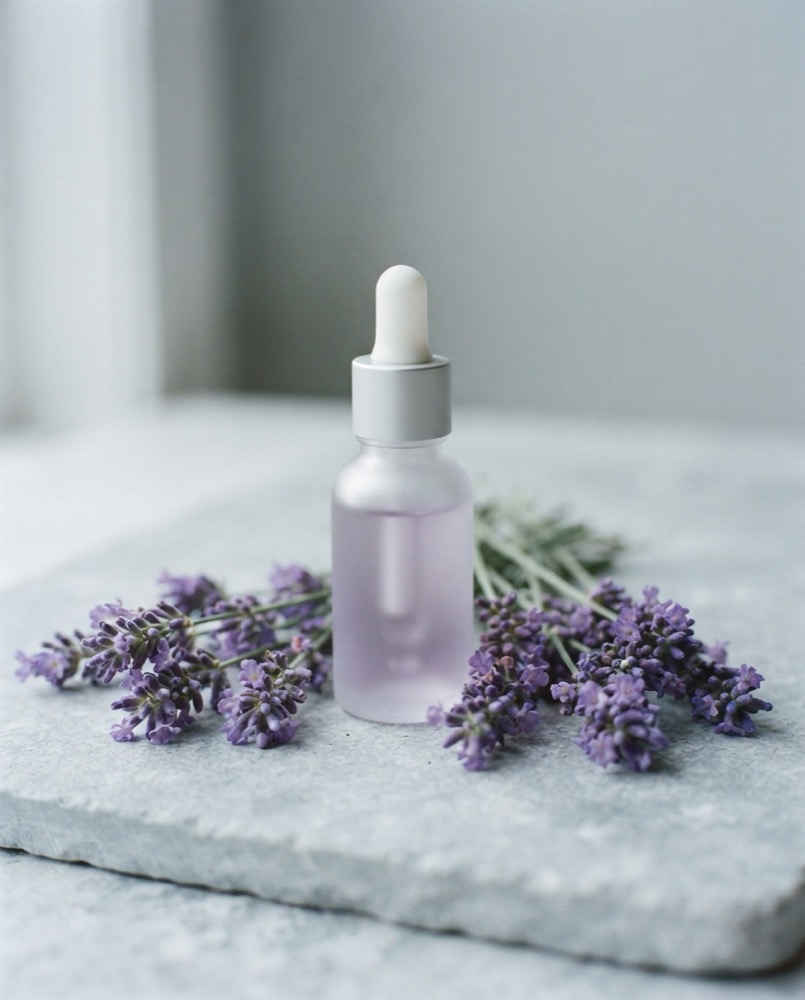
Lavender oil is steam-distilled from the flowering spikes of Lavandula angustifolia. Its main constituents are linalool and linalyl acetate, which give it both its scent and its biological activity.
It is one of the most widely used essential oils in cosmetics, valued for fragrance as much as for function. Its anti-inflammatory and antimicrobial properties are real, but so is its potential to sensitise skin.
What skin concerns does lavender treat?
It calms minor irritation, insect bites and small wounds, and has been shown to support wound healing and collagen synthesis in experimental models. Its antibacterial action gives it a modest role in mild acne.
Its most reliable benefit is arguably indirect: lavender’s effect on stress and sleep quality matters for skin, since cortisol drives inflammation and breakouts. As a topical active on the face, however, it is one of the weaker options.
What ingredients are best paired with lavender?
Always dilute it in a carrier oil – jojoba, squalane or sweet almond – to around 1%. Pair it with calming ingredients such as chamomile, centella asiatica and colloidal oatmeal.
Be cautious: linalool oxidises on exposure to air into a known contact allergen, and lavender is a common cause of fragrance sensitivity. If your skin is reactive or you are treating rosacea, a fragrance-free calming ingredient is the safer choice. Take our Skin Quiz.
What is acne?
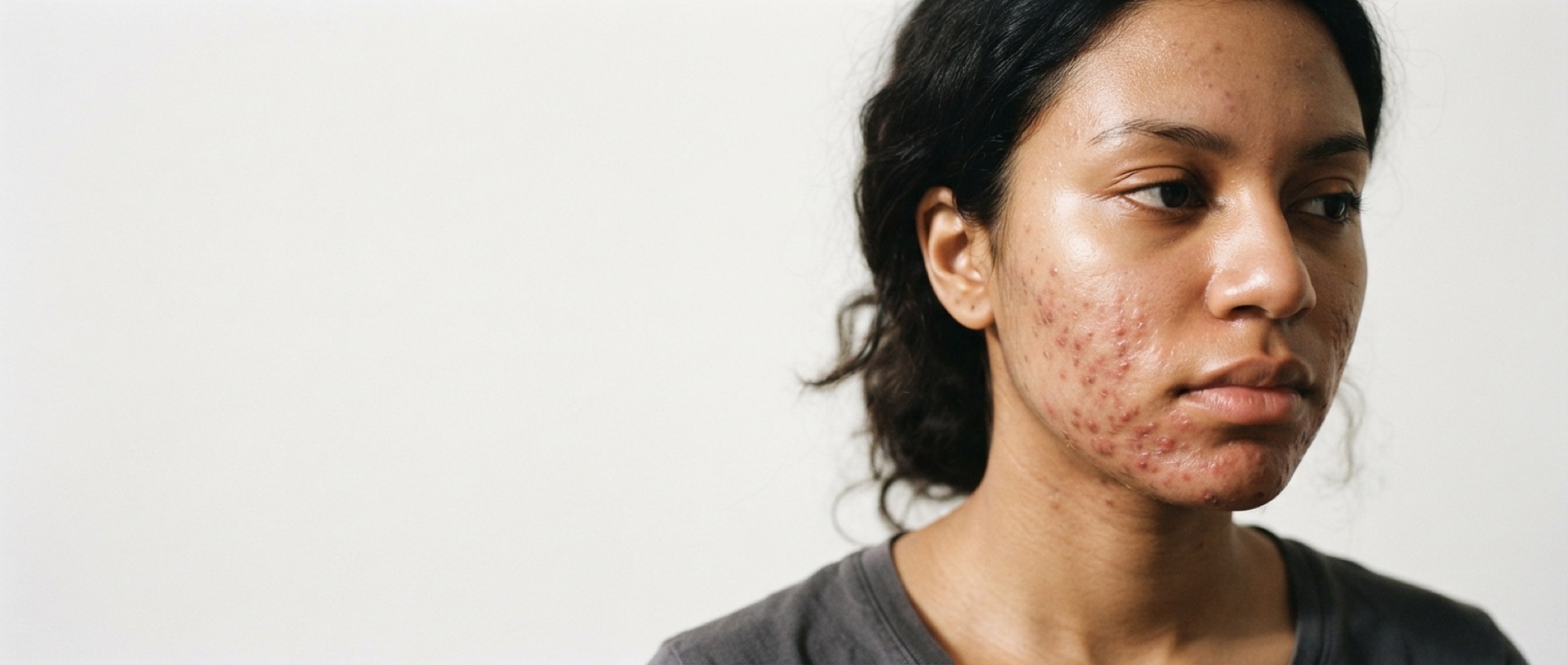
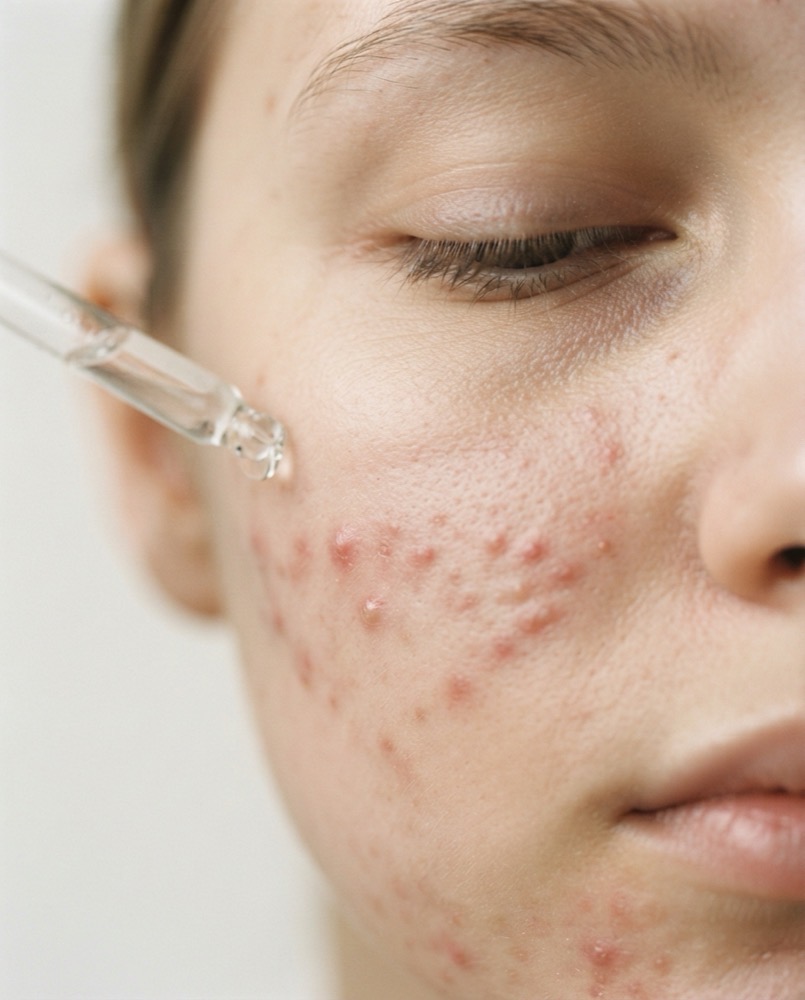
Acne vulgaris is a chronic inflammatory condition of the pilosebaceous unit – the hair follicle and its attached oil gland. It produces blackheads and whiteheads, inflamed papules and pustules, and in severe cases deep nodules and cysts.
It is the most common skin condition worldwide, and it is not a hygiene problem. Acne begins with a microcomedone forming invisibly inside the follicle, weeks before anything shows on the surface.
What causes acne?
Four mechanisms work together: excess sebum driven by androgens, abnormal shedding of cells inside the follicle, overgrowth of Cutibacterium acnes, and the inflammatory response that follows.
Genetics set the baseline. Hormonal fluctuation, stress, high-glycaemic diets, comedogenic products, friction from masks or helmets, and certain medications all push it further. Over-cleansing and picking make it visibly worse.
What ingredients are best for acne?
Salicylic acid clears inside the pore, benzoyl peroxide reduces bacterial load, and retinoids prevent the plug forming in the first place – that last one is the most valuable long-term.
Azelaic acid and niacinamide reduce inflammation and the marks left behind, and sulphur or clay help oily, congested skin. Keep the barrier intact with a gentle cleanser and a light non-comedogenic moisturiser; stripped skin produces more oil. Take our Skin Quiz.