

What is lactic acid in skincare?
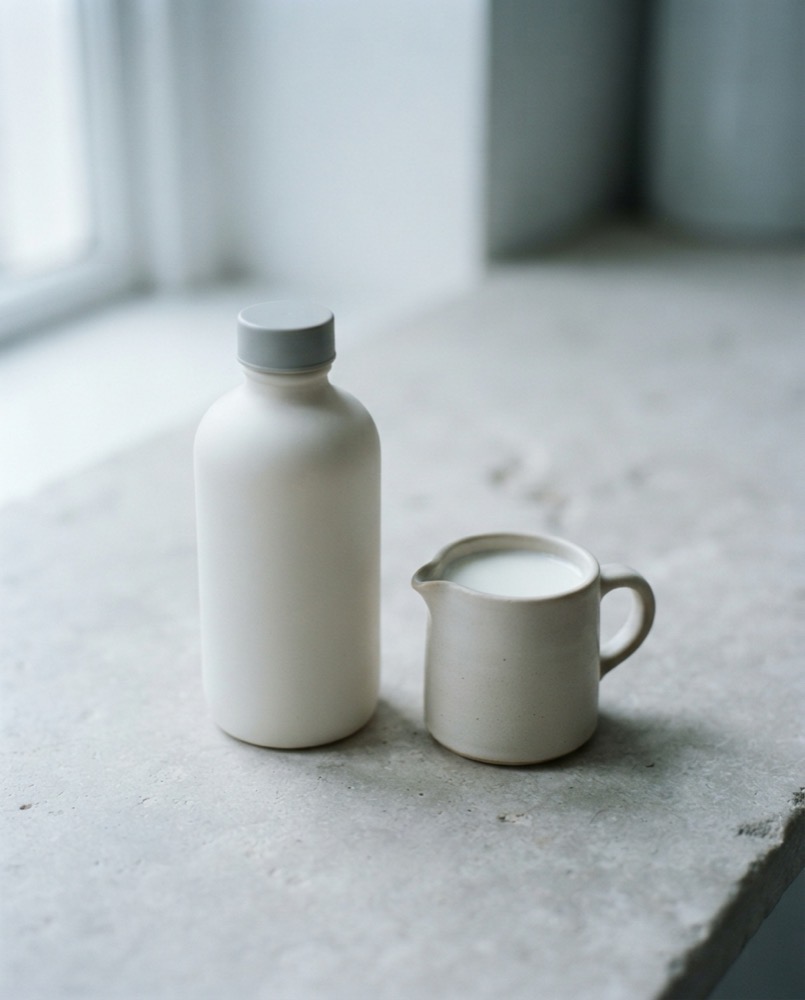
Lactic acid is an alpha-hydroxy acid originally derived from milk, now usually produced by fermentation. Its molecule is larger than glycolic acid’s, so it penetrates more slowly and irritates less – which makes it the AHA of choice for drier or more reactive skin.
It is also part of the skin’s own natural moisturising factor, so unlike most exfoliants it hydrates while it resurfaces. Research shows it increases ceramide production in the stratum corneum.
What skin concerns does lactic acid treat?
It smooths dullness, flakiness and rough texture, fades pigmentation and post-acne marks, and softens fine lines. Because it improves barrier lipids at the same time, it suits dry, mature and mildly sensitive skin better than stronger acids.
A controlled study pairing lactic acid with ceramides found measurable gains in both moisturisation and even shedding within two weeks.
What ingredients are best paired with lactic acid?
Ceramides are the standout partner, since lactic acid supports the skin making its own. Hyaluronic acid, glycerin, squalane and panthenol round out the hydration side.
Niacinamide layers comfortably, and vitamin C works well on alternate mornings. Keep it out of the same step as retinoids or BHAs while your skin adjusts, start twice weekly, and use SPF daily. Take our Skin Quiz.
What is adult acne?
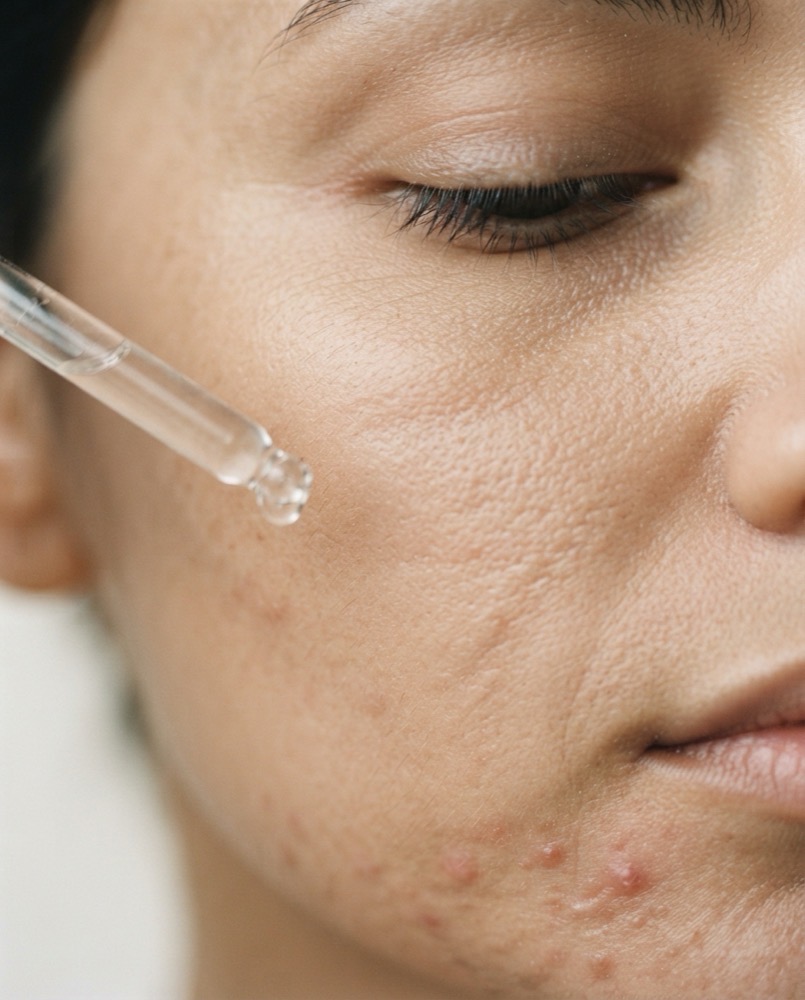
Adult acne is acne that persists past the teenage years or appears for the first time in your twenties, thirties or later. It affects a substantial share of adults, and disproportionately women.
It tends to look different from teenage acne: fewer widespread blackheads, more deep tender lesions along the jawline, chin and neck, often on skin that is simultaneously dry, sensitive or already showing early signs of ageing.
What causes adult acne?
Hormonal fluctuation is the leading driver – menstrual cycles, coming off or starting contraception, pregnancy, perimenopause and conditions such as PCOS all shift androgen activity and sebum output.
Stress and cortisol, sleep debt, high-glycaemic diets, comedogenic makeup and skincare, friction, and certain medications compound it. Adult skin also heals more slowly, so marks linger longer than they did at nineteen.
What ingredients are best for adult acne?
The challenge is treating acne without wrecking a barrier that is also ageing. Retinoids do double duty here, clearing follicles and stimulating collagen at the same time.
Azelaic acid is excellent for adult skin because it handles lesions, redness and post-acne marks together. Add salicylic acid used sparingly, niacinamide to regulate oil and calm inflammation, and ceramides plus hyaluronic acid to keep hydration up. Skip harsh benzoyl peroxide concentrations and scrubs. Take our Skin Quiz.