What is activated charcoal in skincare?
Activated charcoal is carbon – usually from coconut shells, bamboo or wood – that has been heated and treated to riddle it with microscopic pores. That processing gives a single gram an enormous internal surface area, which is what makes it such an effective adsorbent.
It binds molecules to its surface rather than absorbing them into itself. In medicine this is genuinely powerful: activated charcoal is given orally in poisoning cases precisely because it traps toxins so efficiently.
What skin concerns does activated charcoal treat?
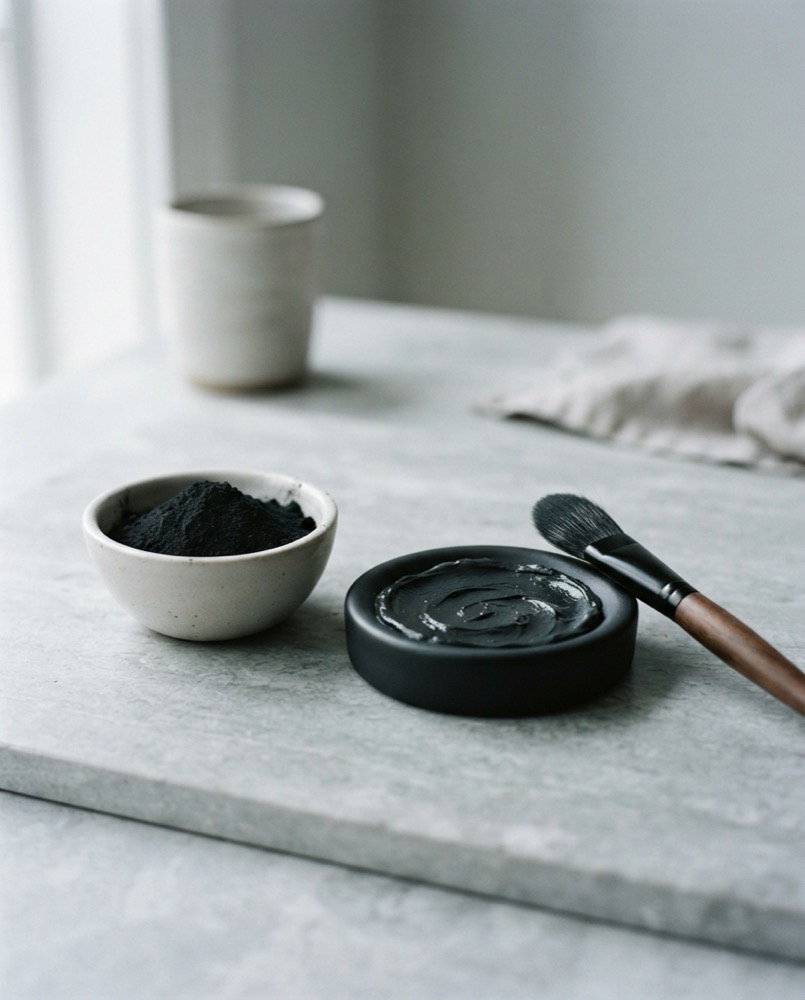
On skin the claims outrun the evidence. It sits on the surface and can lift some oil and surface grime, which suits oily and congested skin, and it gives cleansers and masks their visual appeal.
What it does not do is draw impurities out of pores or detoxify skin – charcoal cannot reach inside a follicle, and skin does not hold toxins that need extracting. Peel-off charcoal masks are worth avoiding outright: they remove vellus hair and surface skin along with the plug, and irritate more than they clear.
What ingredients are best paired with activated charcoal?
In a wash-off mask it works best alongside clay – kaolin or bentonite – which genuinely absorbs sebum, plus soothing ingredients like colloidal oatmeal or aloe to offset the dryness.
For the results people buy charcoal for, salicylic acid and niacinamide do far more: one clears inside the pore, the other regulates oil at source. Treat charcoal as a pleasant weekly cleanse rather than a treatment. Take our Skin Quiz.
What is bumpy skin?
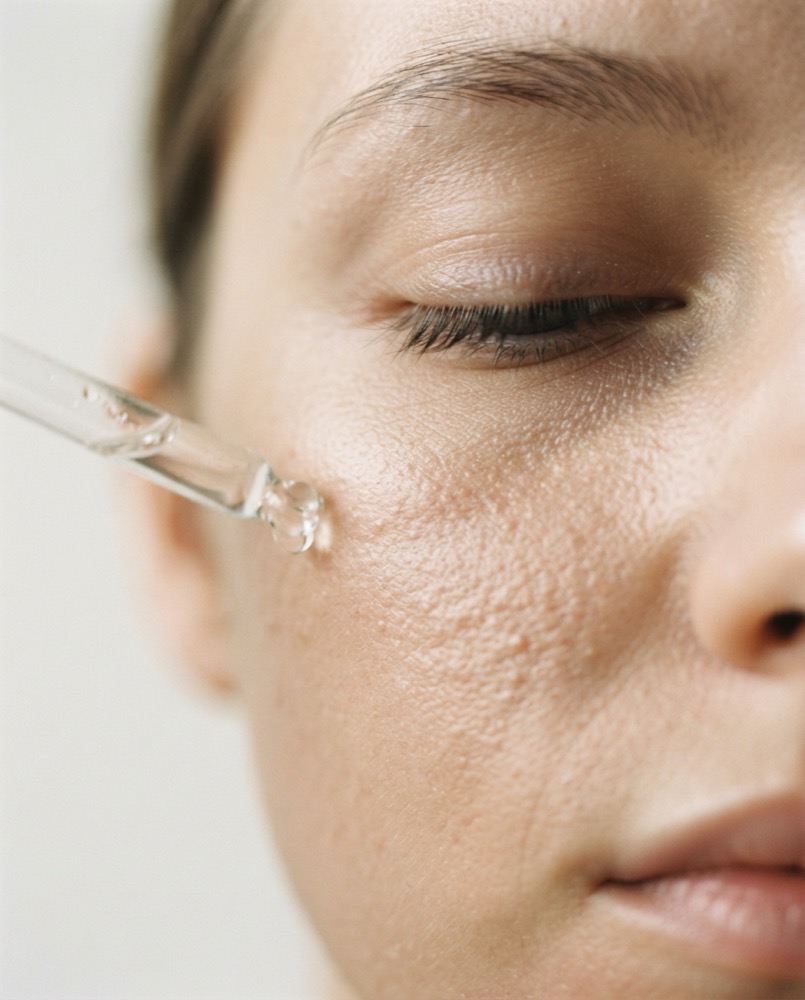
Bumpy skin is a texture problem rather than a single condition. It covers the rough, uneven surface you can feel more than see – most often keratosis pilaris (small hard bumps on the upper arms, thighs and cheeks), closed comedones, milia, or simple build-up of dead cells on the surface.
Keratosis pilaris in particular affects a large share of the population and is harmless, but it makes skin feel like sandpaper and can be stubborn to smooth out.
What causes bumpy skin?
Most bumpy texture comes from keratin plugging the follicle. When dead cells fail to shed cleanly, they collect at the pore opening and form a firm bump – a process closely linked to a weakened permeability barrier and low skin hydration.
Genetics, dry skin, cold weather, eczema and a history of over-scrubbing all make it worse. Aggressive physical exfoliation tends to backfire, inflaming the follicle and thickening the plug.
What ingredients are best for bumpy skin?
Chemical exfoliation works far better than scrubbing. Salicylic acid clears inside the follicle, lactic and glycolic acid loosen surface build-up, and urea both exfoliates and hydrates.
Retinoids normalise how skin sheds over time, while ceramides, niacinamide and hyaluronic acid keep the barrier strong so the plugs stop reforming. Consistency matters more than strength here. Take our Skin Quiz to work out which exfoliant your skin can tolerate.