

What is hyaluronic acid in skincare?
Hyaluronic acid is a glycosaminoglycan that occurs naturally in skin, joints and connective tissue. It is a humectant of remarkable capacity, able to hold many times its own weight in water, which is why it sits in the hydrating step of almost every modern routine.
Molecular weight determines behaviour: high-molecular-weight HA forms a moisture-holding film on the surface, while low-molecular-weight fragments penetrate further for hydration in the deeper epidermis. Good formulas blend several weights.
What skin concerns does hyaluronic acid treat?
It addresses dehydration in any skin type, including oily and acne-prone skin that cannot tolerate heavy oils. Hydrated skin cells sit plumper against one another, which immediately softens the look of fine lines and improves how the face reflects light.
It also supports barrier function and wound healing, and it makes stronger actives – retinoids, acids – far more tolerable by keeping the skin comfortable alongside them.
What ingredients are best paired with hyaluronic acid?
Hyaluronic acid pulls water in but cannot hold it there alone, so always seal it with an occlusive or emollient: ceramides, squalane, shea butter or a simple moisturiser applied straight after.
It layers well with almost everything – vitamin C, niacinamide, retinoids, peptides and AHAs. Apply it to damp skin, and in a very dry climate keep a moisturiser over the top, or it can draw moisture out of the skin rather than into it. Take our Skin Quiz.
What is adult acne?
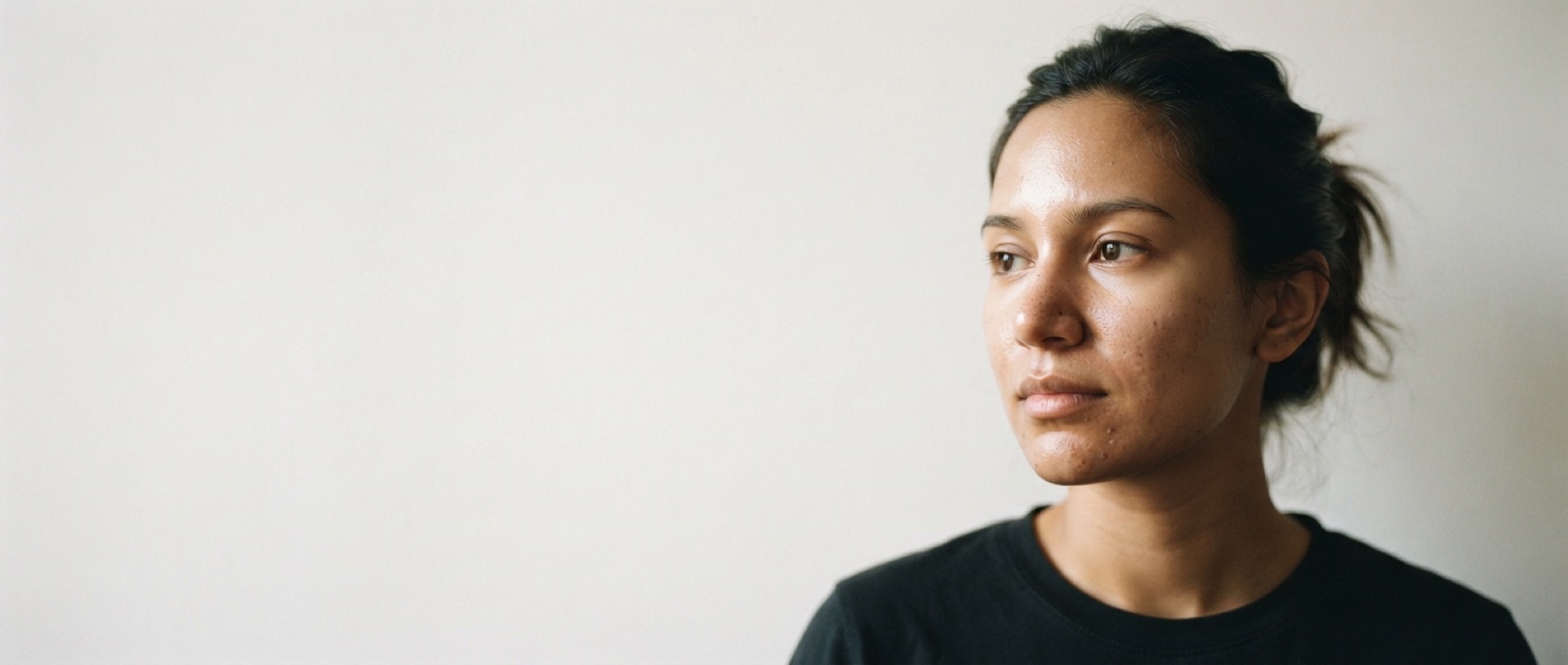
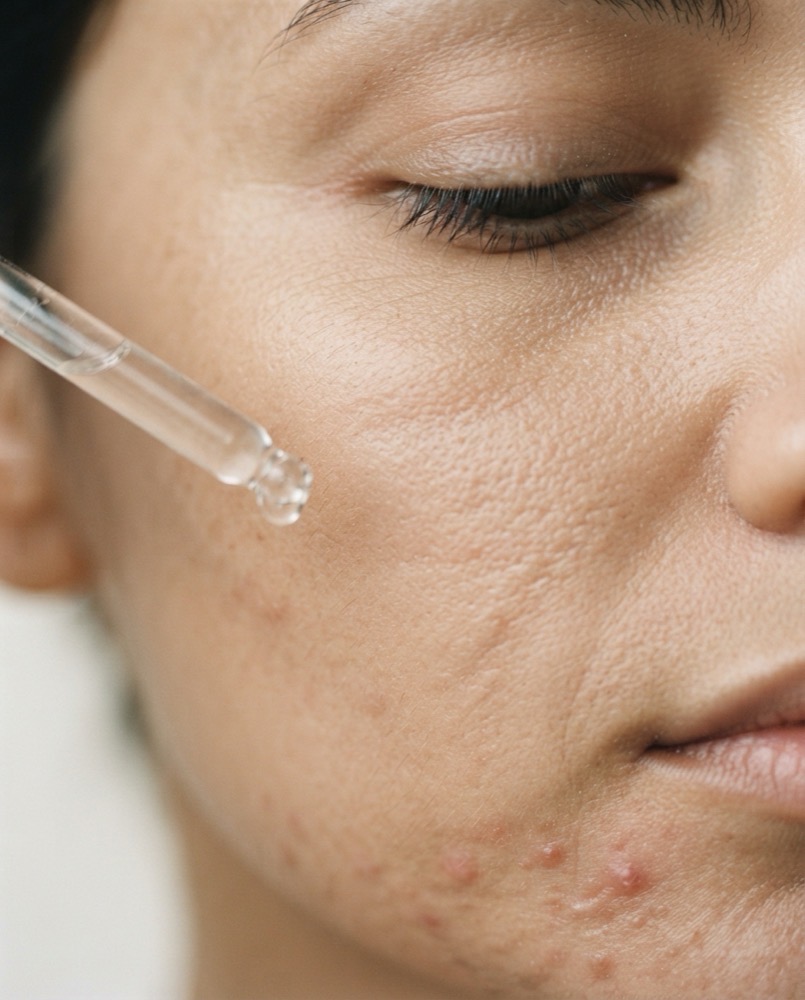
Adult acne is acne that persists past the teenage years or appears for the first time in your twenties, thirties or later. It affects a substantial share of adults, and disproportionately women.
It tends to look different from teenage acne: fewer widespread blackheads, more deep tender lesions along the jawline, chin and neck, often on skin that is simultaneously dry, sensitive or already showing early signs of ageing.
What causes adult acne?
Hormonal fluctuation is the leading driver – menstrual cycles, coming off or starting contraception, pregnancy, perimenopause and conditions such as PCOS all shift androgen activity and sebum output.
Stress and cortisol, sleep debt, high-glycaemic diets, comedogenic makeup and skincare, friction, and certain medications compound it. Adult skin also heals more slowly, so marks linger longer than they did at nineteen.
What ingredients are best for adult acne?
The challenge is treating acne without wrecking a barrier that is also ageing. Retinoids do double duty here, clearing follicles and stimulating collagen at the same time.
Azelaic acid is excellent for adult skin because it handles lesions, redness and post-acne marks together. Add salicylic acid used sparingly, niacinamide to regulate oil and calm inflammation, and ceramides plus hyaluronic acid to keep hydration up. Skip harsh benzoyl peroxide concentrations and scrubs. Take our Skin Quiz.