

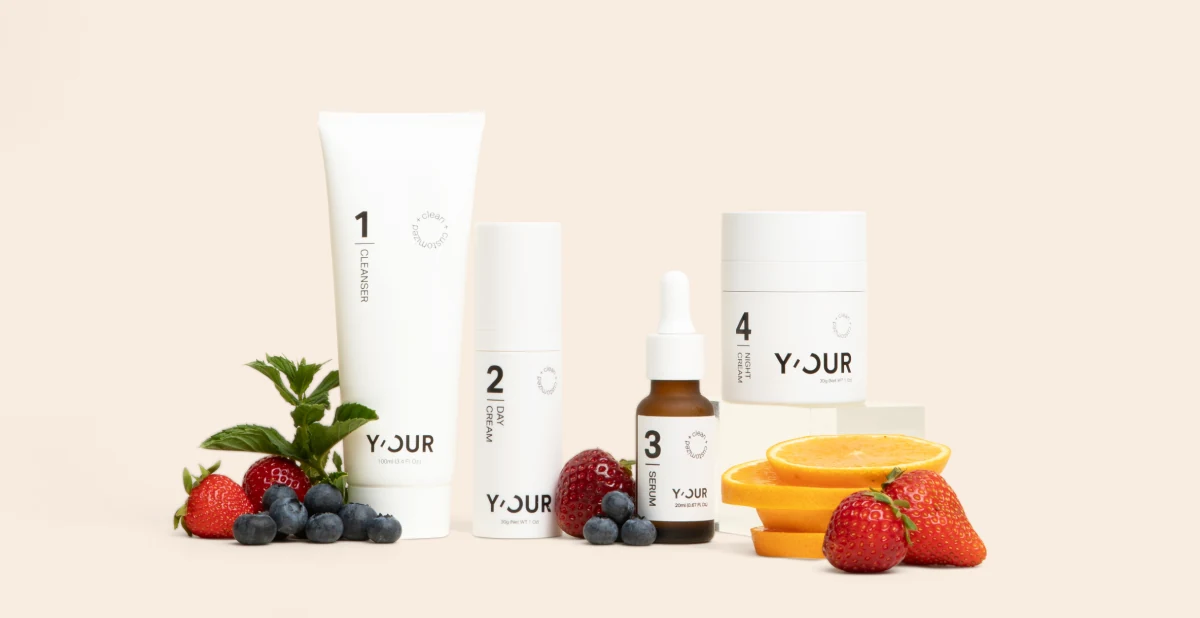
What is hemp seed oil in skincare?
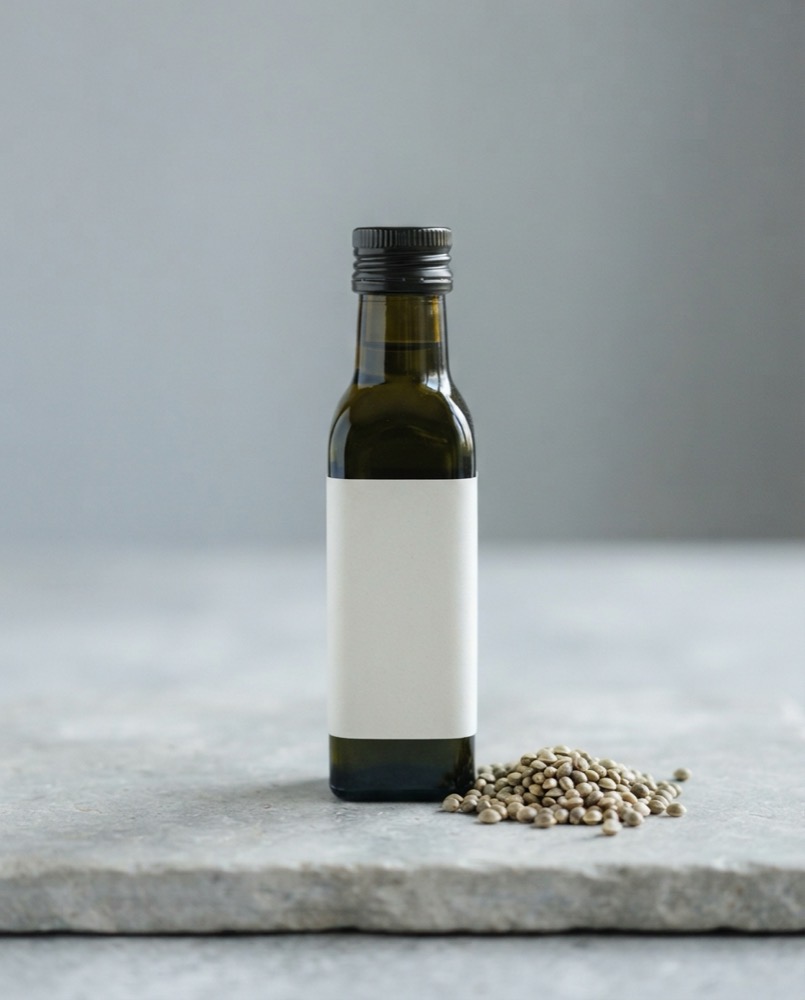
Hemp seed oil is cold-pressed from the seeds of Cannabis sativa. It contains no meaningful CBD or THC – those come from the flowers and leaves – so it is a pure lipid ingredient rather than a cannabinoid one.
Its distinguishing feature is fatty acid balance: roughly 55% linoleic acid and 20% alpha-linolenic acid, close to the ideal ratio for skin. Linoleic acid is a direct precursor to the ceramides that hold the barrier together.
What skin concerns does hemp seed oil treat?
It is one of the better facial oils for oily and acne-prone skin, because linoleic-rich oils thin sebum rather than thicken it, and it rates as non-comedogenic.
Its anti-inflammatory profile makes it useful for eczema, dermatitis and general redness, and its lightweight hydration suits dehydrated skin that cannot tolerate heavy creams. It absorbs quickly and leaves a dry, non-greasy finish.
What ingredients are best paired with hemp seed oil?
Pair it with niacinamide for oil control, hyaluronic acid underneath for hydration, and ceramides alongside for barrier repair.
It buffers retinoids and acids well without blocking them. Like all high-linoleic oils it oxidises quickly, so keep it refrigerated and buy small bottles – rancid oil is pro-inflammatory, which defeats the purpose. Take our Skin Quiz.
What is redness?
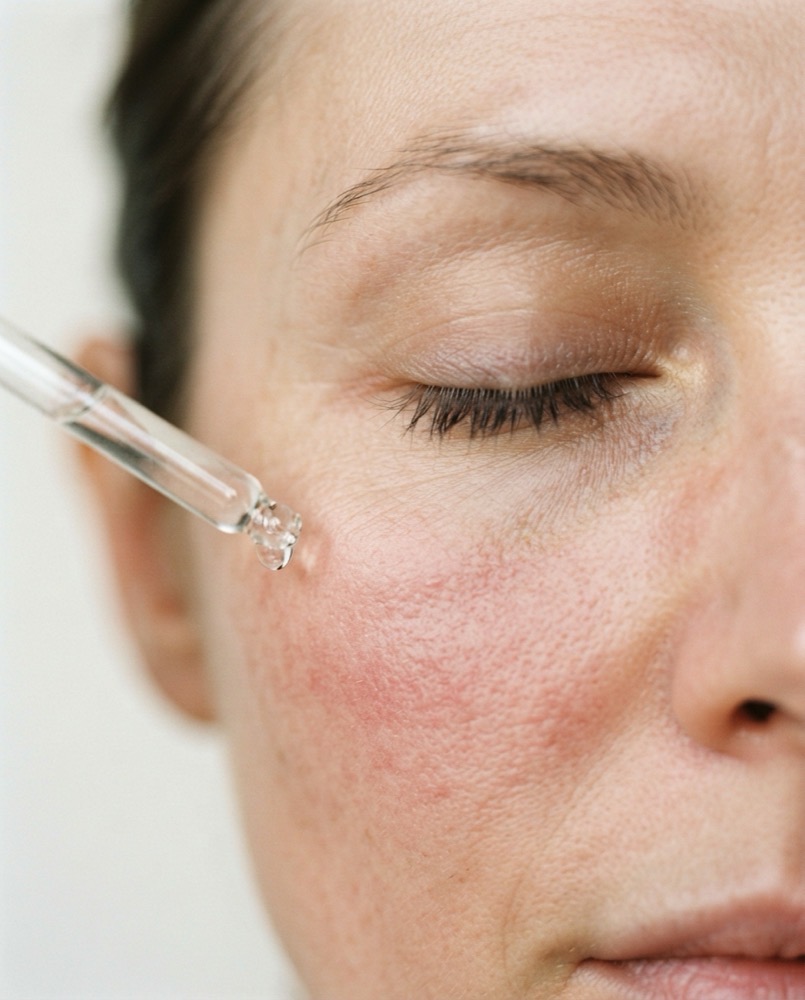
Facial redness is visible dilation of the small blood vessels near the skin’s surface. It ranges from transient flushing that comes and goes, to persistent erythema across the cheeks and nose, to fixed thread veins that stay visible all the time.
Redness is a symptom rather than a diagnosis. It can signal rosacea, irritation, an over-exfoliated barrier, eczema, an allergic reaction or simply reactive skin that responds strongly to heat and stress.
What causes redness?
Most persistent redness traces back to a compromised barrier and heightened nerve sensitivity. When the barrier thins, irritants penetrate more easily and the skin mounts an inflammatory response to things it would normally tolerate.
Common aggravators: over-exfoliation, high-strength actives used too often, fragrance and essential oils, hot water, alcohol, spicy food, sudden temperature change, sun exposure and stress. Trying to treat redness with more actives usually deepens it.
What ingredients are best for redness?
Prioritise calming and rebuilding over correcting. Niacinamide, azelaic acid, centella asiatica, green tea extract, liquorice root, allantoin, bisabolol and colloidal oatmeal all reduce visible inflammation.
Then repair the barrier with ceramides, cholesterol, fatty acids, glycerin, panthenol and squalane, and protect it with a gentle mineral SPF. Strip the routine back to cleanser, moisturiser and sunscreen for a few weeks before reintroducing anything active. Take our Skin Quiz.