What is coffee in skincare?
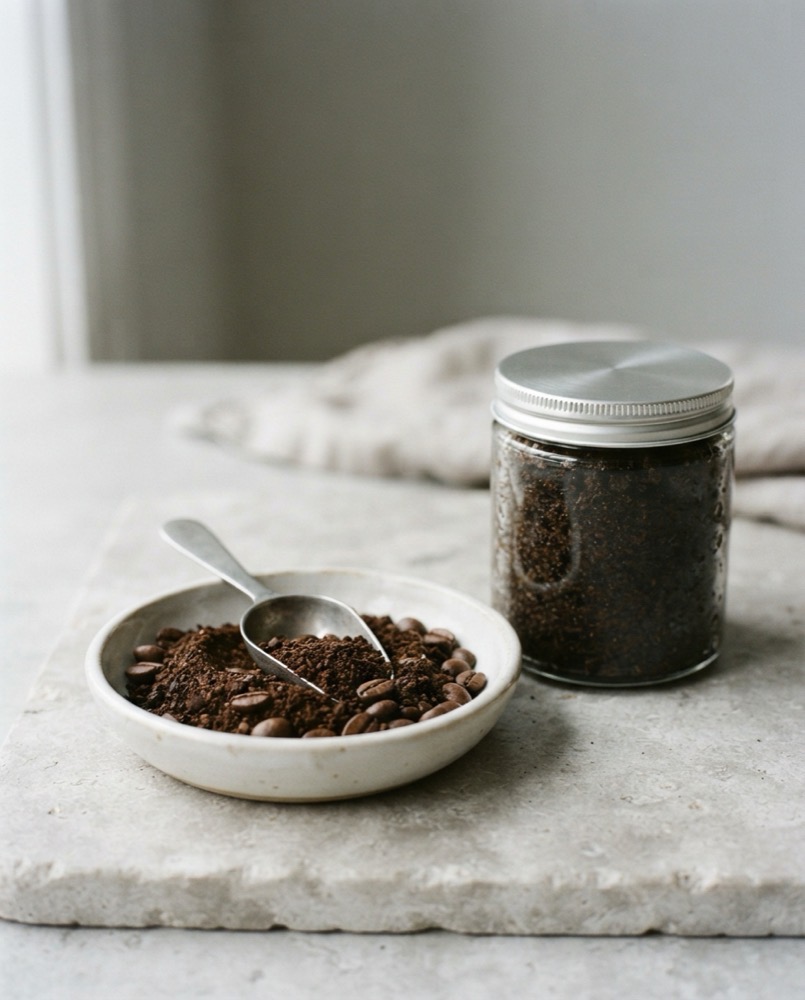
Coffee reaches skincare in two forms: ground coffee beans used as a physical exfoliant, and caffeine or green coffee extract used as an active. The two work quite differently.
The grounds provide abrasion; the active fraction provides antioxidant and vasoconstrictive effects. Coffee is also rich in chlorogenic acid, a polyphenol with anti-inflammatory and free-radical scavenging activity.
What skin concerns does coffee treat?
As an active, caffeine reduces puffiness and the appearance of under-eye darkness by constricting small blood vessels, and it is used in body products to temporarily smooth cellulite. Its antioxidants help defend against photo-damage.
As a scrub, ground coffee lifts dead cells and improves texture on the body. On the face the particles are too coarse and irregular for most people – they create micro-tears that inflame skin and worsen the texture they were meant to fix.
What ingredients are best paired with coffee?
For the eye area, pair caffeine with peptides, niacinamide and hyaluronic acid – dehydrated under-eyes look darker no matter what the circulation is doing.
For body scrubs, coffee grounds are usually blended with sugar and an oil such as coconut or almond to soften the abrasion. On the face, use a chemical exfoliant – lactic or salicylic acid – instead. Take our Skin Quiz.
What is uneven skin tone?
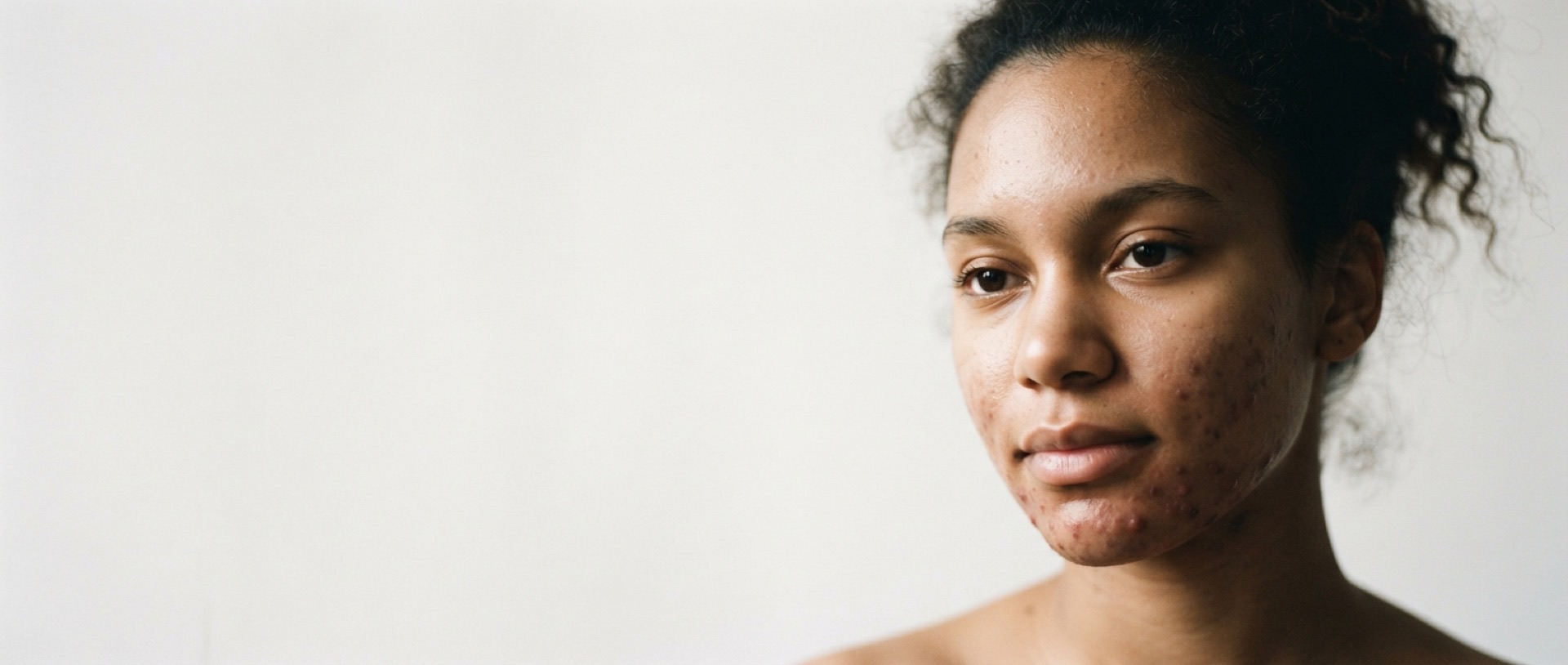
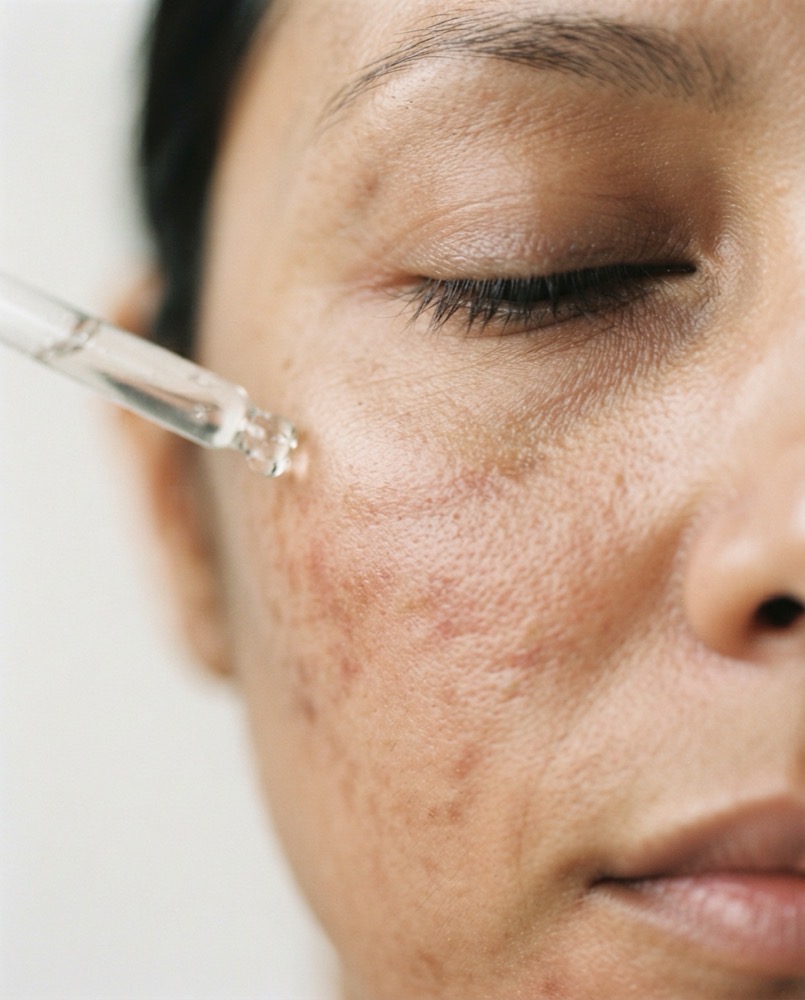
Uneven skin tone describes a complexion that reads patchy rather than uniform – a mix of darker and lighter areas, lingering red or brown marks, blotchy cheeks, and a general loss of clarity.
It usually combines several things at once: hyperpigmentation from sun or inflammation, persistent redness, and surface build-up of dead cells that makes the whole face look mottled and dull.
What causes uneven skin tone?
Ultraviolet exposure is the dominant cause, stimulating melanin unevenly across the face. Post-inflammatory marks from acne, eczema or irritation add brown or red patches that can persist for months.
Hormonal pigmentation, slowed cell turnover with age, dehydration, pollution, smoking and a damaged barrier all compound it. Aggressive scrubbing or unsupervised strong actives frequently make tone more uneven, not less.
What ingredients are best for uneven skin tone?
Vitamin C and niacinamide are the reliable everyday choices – one protects and brightens, the other evens tone and strengthens the barrier. Azelaic acid is unusually useful because it addresses brown marks and redness at once.
Add gentle exfoliation with lactic or glycolic acid to clear surface build-up, retinol to accelerate turnover, and alpha arbutin or tranexamic acid for stubborn pigment. Daily broad-spectrum SPF is what makes the results stick. Take our Skin Quiz.